


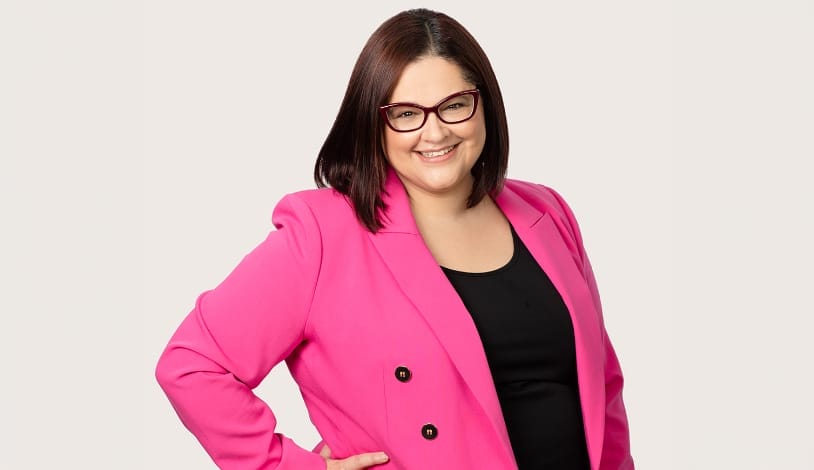
The best way to ensure government doesn’t only turn its attention to the financial advice industry when “something really bad” happens is self-regulation, Sarah Abood, chief executive officer of the Financial Advice Association Australia said in her opening keynote at the FAAA Congress in Melbourne.
This tends to happen following a major collapse, a scandal, something that generates outrage, negative headlines and demands for the government to act.
“We are currently regulated almost entirely by government,” Abood said. “Our education standards are run by Treasury. Discipline is handled by ASIC. And almost any change to the way we operate requires an act of parliament.”
“As a result, our laws tend to be formulated in a punitive spirit, overcorrecting and adding more compliance, more complexity, more red tape that primarily hurts those who are already doing the right thing.
“If we really want to break this cycle, I’m convinced that we need a path to self-regulation. This will enable sensible rules to be set across the cycle by people for whom the profession is their top priority, and who have a strong interest in weeding out from the profession those who don’t deserve to be in it.”
She cautioned that some may say these are not the best times for it but the “path to self-regulation will probably be a long one, and we have to start somewhere”.
The FAAA has already engaged consultants to build a blueprint for a path to co-regulation that will then lead to self-regulation for professional financial advice.
She said members will be a very important part of the process. The FAAA will provide them with further details and expects to release the blueprint in the first half of 2027.
DBFO reforms and CSLR special levy
Abood warned of potential dangers to consumers seeking retirement advice if Delivering Better Financial Outcomes proposals are enacted in a similar form to that announced by Treasury in March 2025.
“If retirement advice were to be collectively charged and offered by the new class of adviser, there are a number of potential dangers to consumers,” Abood said.
“First, they will only get advice on the retirement products their fund offers, which might exclude annuities, for example, which many funds still don’t offer. That’s a whole class of products they won’t be able access.
This could limit consumer options as it protects funds from competition, which could result in less innovation. Abood also argued people need advice on more than just which retirement income product to choose at the point of retirement.
“Fourthly, retirement advice is not simple and could be dangerous if offered by the new class who will have a much lower standard of education than professional financial advisers. Lastly, the cost of collectively charging this form of advice will be much greater than current simpler intrafund advice.
“It’s fundamentally unfair that members who’ve already paid for their own advice and young members, should pay for expensive personal retirement advice that others receive.
Abood said the FAAA represents members that are part of organisations of all sizes. No one model will be right for everyone, so it is important consumers have a choice and “that there’s a level playing field, so these models can fairly compete”.
“These proposals, if they move ahead in the form that we fear, could have a chilling effect on competition and consumer choice. We expect to hear more on these this week,” she said.
Despite being “disappointed that the so-called new class of adviser will be limited to superannuation funds and life insurance”, Abood said there were some positive results from FAAA’s advocacy, and that although “not exactly the Christmas present that we wanted”, the financial advice subsector will pay just $10 million of the 2026-27 CSLR special levy, which turned out to be half of what it could have been under the proposed waterfall model.
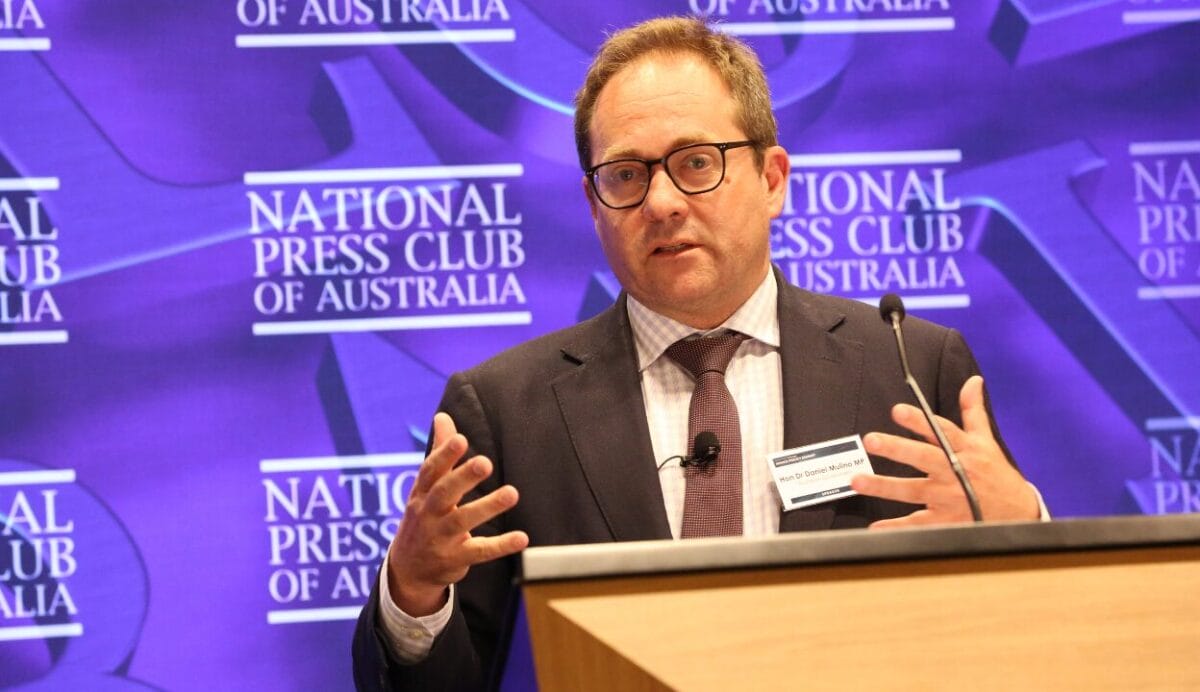
A few hours later, Assistant Treasurer and Minister for Financial Services Daniel Mulino confirmed in a pre-recorded video for the congress that the government will introduce legislation to create a framework clarifying the scope of intrafund charging for financial advice.
“Can I stress that this legislation is in line with the roadmap that I announced at the press club. It is based on the framework developed earlier,” Mulino said.
“We will consult extensively, including with the FAAA and advisers on the regulations under this legislation that set out the details of what is ultimately permitted.”
Mulino added that the government will also progress with changes to statements of advice and the best interest duty to enable scaled advice “as soon as possible next year”.
“And we are also making important changes to the CSLR, like removing the ‘but for’ element of compensation, which the FAAA advocated for strongly. This will prioritise the return of capital to consumers, and over time should reduce the overall cost of the scheme.”
He said the reforms announced at the Press Club in August are wide ranging and will need to be implemented in stages.
Abood said the government had committed to review the financial adviser Code of Ethics, something FAAA has been “calling out for years, as long overdue”. Referring to this review, Mulino said that work “is already underway”.
“The FAAA advice has been practical and constructive, and I’m pleased to announce today that we will proceed with the review in the first quarter of next year. We are considering changes to the preamble as well as to several of the standards themselves.
“You’ve described this work as a refinement rather than a rebuild, and that is exactly the approach that we’re taking,” Mulino said.












Leave a Comment
You must be logged in to post a comment.
Login via LinkedIn