


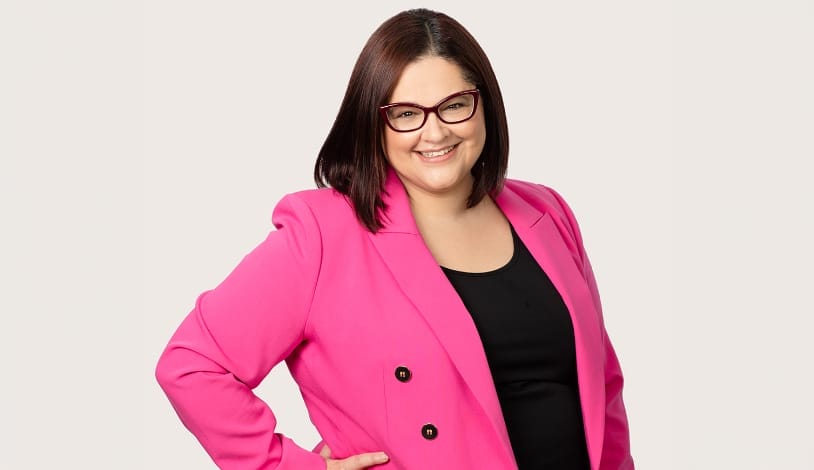
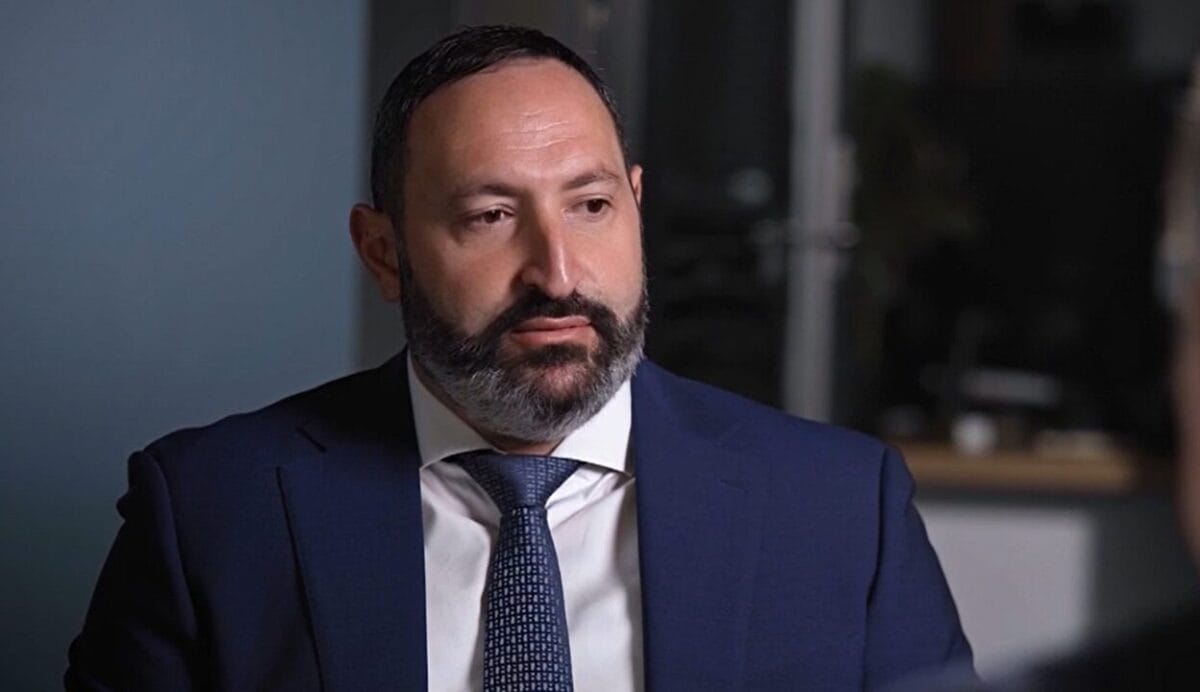
Marisa Broome and Super Consumers Australia chief executive Xavier O’Halloran address the “new class of provider” and performance testing design products at ASIC’s Annual Forum.
Australian regulation in many cases means there is a trade-off between access to advice and consumer protection, but there shouldn’t be, according to Broome, managing director at Wealthadvice and former Financial Planning Association of Australia chair.
“One of the big announcements that Dr. Mulino came out with is the new class of provider. Notice my language because it’s not advice; it’s about providing information,” Broome said at a panel during the ASIC Annual Forum in Sydney.
“And I’m really big on this. We’ve gone through huge hurdles to make advice professional, and to now bring in something that is different in the consumer mind [which] might not be seen as any different, and I think we need to be very conscious about the guardrails that are in place for those people that are going to be serviced by this.”
She said there is a need for information to be provided as there is an “enormous underservicing of advice information in the country”.
Broome said there is a lot of people retiring with large super balances and they may be retiring before they expected and with debt and mortgages. This group needs more information and help making some financial decisions and improving not just financial literacy but financial capability.
“But I’m not sure that we’ve actually got the guardrails right and the language right about how you protect consumers in that.”
There is still the issue of access to quality advice, or advice at all. With less advisers and an industry consensus that the cost of providing financial advice has increased, what can be done to close this gap?
For Xavier O’Halloran, chief executive officer at Super Consumers Australia, there is a group of Australian consumers that are either disengaged completely from financial advice or don’t trust advisors.
Those who don’t trust advisers are likely to use AI to seek financial advice, but those disengaged are the “hardest to crack”.
“That’s where we got to think more about system design. Let’s not design a system that’s so complicated we need a professional to help us through it. Let’s actually design a system that works,” O’Halloran said.
“I’m talking about ‘are we performance testing design products currently?’ No. ‘Do we have any kind of basic, simple offering or default that we might offer to retirees currently?’ No.
“These are all things that we do when people are working, but we don’t offer to retirees when the decisions are actually harder.”
This complexity, O’Halloran said, is driven by things such as the taxation system and product offerings are also complicated.
“Superannuation, which is the main reason why you get advice, was founded on the idea that people can’t navigate the complexity of saving adequately for retirement. So we built it. Everyone just seemed to forget that lesson and go ‘do whatever you want. Use your money’. That’s silly.
“We can do a lot more on the design side to deal with that complexity rather than building in all these different measures on top, like financial literacy, and guidance, and new advisers, and existing advisers and making sure they’re professional. I would start at the system,” he said.
What the future of financial advice looks like
Broome shared an experience with a client that came to her with an AI generated advice that said the tax consequences on the aged care advice it had generated would be about $3,000, “and our accountant worked that would be about $375,000”.
“At the same time, we are a country not just with low financial literacy, but low financial capability. So not only do we not understand the jargon we talk about as a financial services ecosystem, but we can’t make decisions around it based on that jargon, and I’m really concerned that we’re not doing enough in that space.”
Her personal experience using AI in her practice is quite the opposite. “It’s been absolutely a game changer,” she said. The AI agent takes all the notes, it helps produce the follow up, it throws things in her diary.
“It makes my statements of advice still compliant and hopefully more readable. But really, it’s actually about my relationship and the summary that I can put together and all those sorts of things that make advice something that someone will follow,” Broome said.
Beyond AI, more advisers, looking at the holistic wealth of clients and more integrated advice processes is what Broome expects for the next five years in financial advice.
“It’s the journey of information from day one all the way through to comprehensive advice. I think that there’ll be advice businesses that will actually take people through that,” Broome said.
For O’Halloran it is about making sure each group of consumers have access to the information that is right for them.
“More work [needs] to be done on system design to make it simpler for those that don’t engage. Better independent guidance for those in the middle and then professionalised advice for the 25 per cent that want professional advice.”










Leave a Comment
You must be logged in to post a comment.
Login via LinkedIn