

A three-part podcast by CHOICE and Super Consumers Australia goes live on Tuesday, covering the background of the Shield and First Guardian collapse and questioning politicians’ responses to date, with the goal of keeping attention on the issues that led to the collapse and pushing for new consumer protections to come into effect as soon as possible.
And although it’s consumers who have paid most heavily, Xavier O’Halloran, Super Consumers Australia chief executive officer, tells Professional Planner the entire financial industry suffers as a result of such collapses.
“For advisers it’s really reflecting on what the harm is at the human level and we don’t get protection,” he says.
“Often, when we talk about what the right protections are in financial advice, there is obviously lots of views within the industry. My experience is, not all of them really align with what the consumer experience is, they don’t quite understand what the kind of limitations are on consumers and how hard it is to navigate the complexity and how much trust they put in advisers when they go to them.
“You need to be sure that the system is designed to be safe for everyone using it.”
One of the people who lost their super and talks on the podcast is Wayne, who said he invested in AusPrac Super – part of the Sequoia Financial Group, which also owned the InterPrac licensee – because he believed “the regulators would be doing their job”.
“It’s a bit like going onto a plane. You don’t go up in the cockpit and ask the pilot for his credentials, his licences to be a pilot. You don’t ask the pilot for his maintenance report to make sure that all the maintenance is up to date and up to schedule.
“We rely on the regulators to do that for us, and that’s what I was doing with my super. I was relying on the regulators that they’d done their job.
O’Halloran says that everyone in the financial advice industry needs to be aware of the possibility of bad actors and make sure laws are being designed to protect against them, “because I think all financial advisers suffer on the back of collapses like this, both reputationally, but also in terms of compensation payouts that they have to fund”.
“So, it’s really on the entire sector to make sure we have strong, robust consumer protections in place that stop this thing from happening in the first place.”
Podcast shines light on victims, questions politicians
Melinda Kee, an investor in First Guardian who has become an outspoken victims’ advocate since the collapse, is a central character in the podcast. Kee had taken steps to protect herself and had “reasonable expectations from someone who’s invested in super, that the system would be basically safe since we are all required to invest in it”, O’Halloran says.
“You’d think the protections are in place, and she certainly did a whole bunch of due diligence on top of that to protect herself, like making sure she was going out and getting financial advice from a financial adviser, checking that they were licensed. You know, making sure that they were on the ASIC registry.”
One of the people Kee speaks to in the podcast is Labour Senator Deborah O’Neill who said, “for the people who were relying on the trustees to do the right thing, clearly they’ve been terribly let down”.
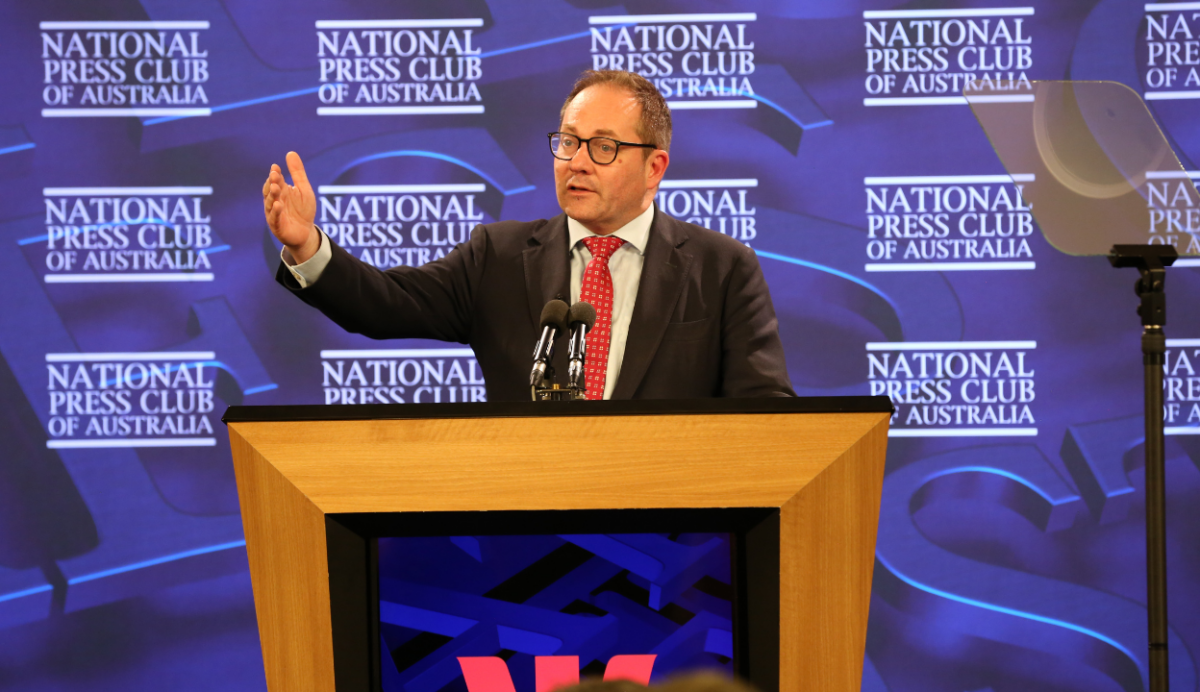
On the day before the Minister for Financial Services Daniel Mulino’s 19 August address to the National Press Club, Kee questioned the Compensation Scheme of Last Resort’s $150,000 cap, as there are people who lost more than $1 million – Kee herself lost $380,000 – as well as ASIC’s responsibilities and more.
Kee tells Professional Planner that despite her experience she would still work with a financial adviser.
“And just because a financial adviser is registered with ASIC doesn’t mean that they’ve got your best interest at heart, but yes, I would still use a financial adviser,” she says.
“When I get my superannuation back, I will use a financial adviser.”
Kee expects the podcast will raise awareness for members to check their own super on a regular basis, even if they are with a financial adviser. She says consumers affected by the Shield and First Guardian collapses should lodge complaints with the Australian Financial Complaints Authority (AFCA) before 30 June next year.
After that date, AFCA will continue to issue determinations compensating investors for capital losses and for the better investment earnings they could have received elsewhere but for the advice they received, but the Compensation Scheme of Last Resort won’t pay the but-for component.
“The other thing that I would hope that would come out of the podcast is education around the actual collapses,” Kee says.
“A lot of people still believe that they were scams and that people were foolish or, you know, were chasing high returns, which was not the case. And I’m hoping that the podcast brings awareness to the traps of a managed investment scheme.
“I wouldn’t like to say or imply that people need to be untrusting towards financial advisers because I think it’s so important to have trust in the system.”
No changes in effect yet
Two months after Mulino’s 19 August address, no new consumer protection laws have passed.
Kee’s focus is on whether the reforms that the government is putting in place will ensure that financial advisers and advice that is given have very clear boundaries to protect consumers from being led down the wrong path.
“And I say that because you’re looking at people that used a financial adviser that were encouraged to go into a self-managed super fund, and that was not in their best interest. And those people are then in a more difficult situation, because they can only claim through the CSLR under the trustee, not as an individual person,” Kee says.
There has been no indication from the government of what is going to be prioritised and dealt with first.
“We’re only seeing the very early stages of government figuring out what they’re going to do next,” O’Halloran says.
“It’s still this piece of work that needs to happen to fill all the gaps and make sure there are proper protections over superannuation. I think, realistically, this is probably going to play out over the next couple of years.”
This is one of the reasons Super Consumers Australia thinks it is important to keep telling the story of the victims, so no momentum is lost.
“We want to make sure that we keep attention on what is a really important issue because we don’t want this kind of collapse to ever happen again,” O’Halloran says.
“And the other thing we tried to do is really tell the story through the eyes of the people that invested in this. [It’s] really important for any of these large-scale collapses is to hear the voices of the people impacted and make sure that decision makers are well aware of what the impact of this harm was, and how they see the fixes being implemented.”













Leave a Comment
You must be logged in to post a comment.