


Public scrutiny, pressure to keep the share price up and the chance that at any moment the company could be put in play are part and parcel of running an ASX-listed business, but for listed financial advice licensee owners such as Centrepoint Alliance, Count and WT Financial Group (WT), there’s an added, sector-specific dimension.
Licensees face challenges in achieving organic growth, even in a market supported by the strong fundamentals of rising demand for advice and an undersupply of providers. The latest data from Padua WealthData shows there were around 15,200 advisers registered at the end of October, a far cry from the early-2019 peak of about 28,000. Existing advisers are already bumping up against capacity constraints.
Technology is improving productivity, but new advisers aren’t entering the profession in sufficient numbers to meet rising demand Padua WealthData says 151 new advisers had entered the industry in the calendar year to 29 October. In such an environment, growth by acquisition is a quicker way than onboarding new advisers to get the numbers up and support shareholder returns.
And that means having access to capital, including public equity and debt, and private equity, to fund growth. ASX-listed entities might be in the box seat, with their access to public equity markets, but the funding structure of advice practice acquisitions, and the introduction of private equity to the mix, add layers of complexity to serving the interests of both existing shareholders and the providers of external capital.
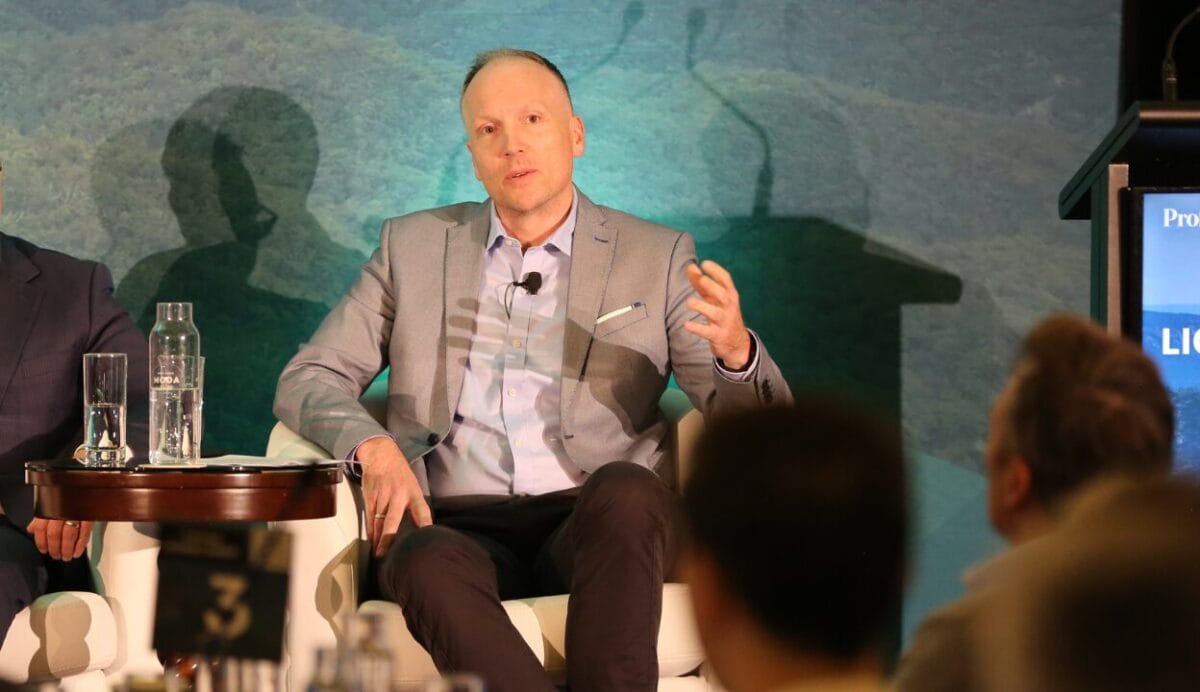
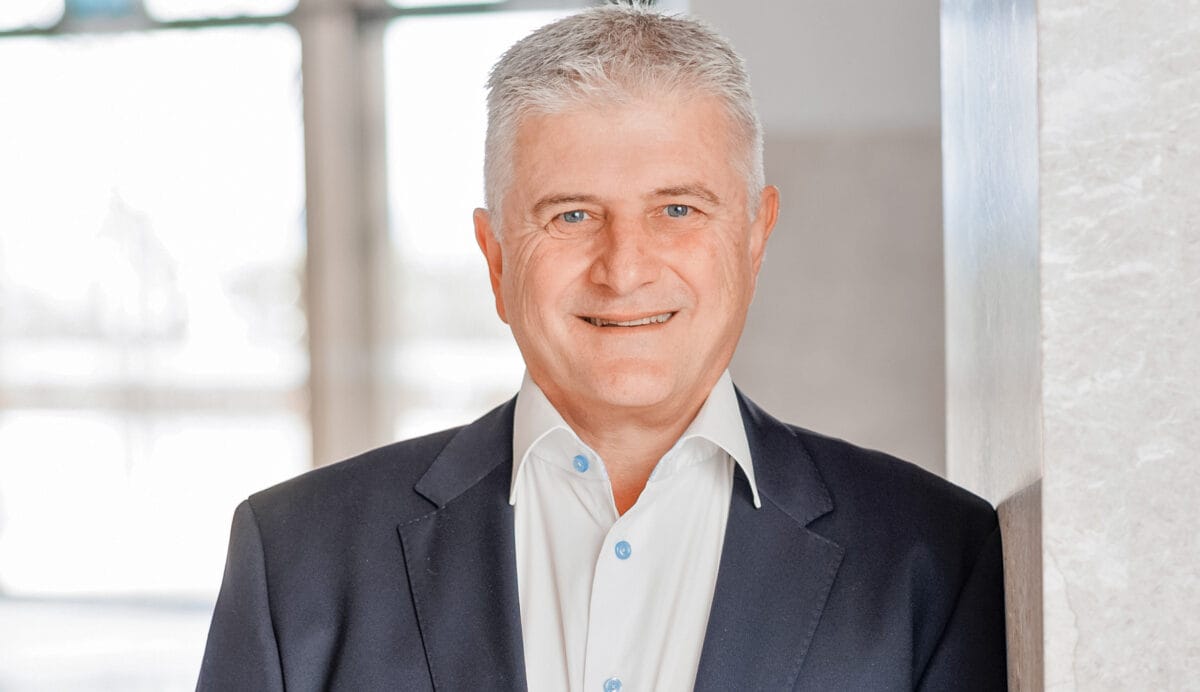
Centrepoint chief executive John Shuttleworth, WT founder and managing director Keith Cullen and Count chief executive Hugh Humphrey says being listed brings the advantages of transparency and governance, but there are also potential costs.
During 2023, Sequoia Financial Group – also listed on the ASX – built a position in Centrepoint before “they ran into some of their challenges, and then that kind of position has been sold down”, Shuttleworth tells Professional Planner.
“You always feel when you’re running a micro-cap, there’s a sense that there’s always interest, and potentially the stock’s always to some degree in play,” he says.
“You just can’t be complacent. Because we’re so transparent, we’re constantly looking at how do we run a lean operation, where’s the revenue growth going to come from.

“When you look across the board, there’s consistent thematics because everyone’s dealing with the same issue of trying to increase earnings, increase their market cap. Growing these businesses organically is hard, so you tend to have to do whatever you can organically, but everyone’s looking for what’s the next acquisition that makes sense that’s complementary to the underlying business.”
Transparency helps
Cullen says the transparency required of ASX-listed companies also helps when it comes to dealing with regulators.
“We like to be transparent with government, with Treasury and with ASIC and AFCA and so on, and so I think that helps our cause in that regard,” he tells Professional Planner.
“Being publicly listed, you’re always being marked to market every day, or every minute of every day, between 10am and 4pm at least, and so that can have its challenges. But I think it’s been a relative net positive for us.
“Shareholders obviously want continued growth, but we’re in a growth environment. So, I’d say the net positive for us in being listed is, having made the decision to pivot into the advice network space, it gave us the opportunity to have a liquid stock that we could trade for acquisitions. It’s certainly been very good for those people that took the stock in those acquisitions, and it’s been good for us, too, because we’ve done what we set out to do, which was build scale.”
Humphrey says that in managing an ASX-listed business “we really appreciate the transparency”.
“It certainly makes you think about the information that you have, the importance and relevance of that to others, the obligations around making sure that people know what’s going on,” he tells Professional Planner.

Humphrey says listed competitors report around the same time, in accordance with the same rules and in the same format, allowing investors to compare them directly.
“I really like the level playing field,” Humphrey says.
“Investors can determine who’s underperforming, who’s outperforming, where they want to be. In privately held companies, you just don’t get the same level of information.”
Humphrey says Count was probably too small to be listed when its market capitalisation was around $58 million four and a half years ago. At the time of writing, ASX data showed the business was valued at $363 million. (By contrast, Centrepoint’s value was $79 million and WT’s was $51 million.)
“It [was] too small to be listed, because the costs that come with the company secretariat, managing investors, the road shows, the transparency, publishing of reports, external auditors, are significant,” he says.
“The liquidity in a business of that size is not significant which affects the ability to raise capital and so you don’t really unlock the benefits [of being listed].
“My view was that it wasn’t the listing that was the problem; it was our size and scale.”
Tapping existing shareholders
The presumption behind an ASX listing is that tapping existing shareholders or issuing new shares is a way of raising capital that can be more difficult and expensive for an unlisted company. WT, Count and Centrepoint Alliance fund acquisitions from some combination of shares, debt and cash.
Issuing new shares only makes sense when an acquisition lifts earnings. “It’s just balance sheet management and capital management,” Cullen says.
Shuttleworth says a listed company “can use the scrip in the business and basically issue additional shares and, through that, dilute existing shareholders down, but aim to be earnings-accretive based on the earnings that you’re going to generate from the deal and some cash”.
And Humphrey says that given “investors are very interested in earnings per share, raising capital on the markets is a good thing to do where the transaction, or the purpose of the raise, is going to create value for shareholders, even in a dilution scenario if the earnings per share is increasing in line of sight to the value of the dividend, and so forth.”
Cullen says WT’s “return on contributed equity and return on equity, after tax, is running around 14, 15 per cent”.
“So, if we’re going to issue more shares, we better be running at 14 or 15 per cent at a minimum.”

Cullen says WT pays more for a private debt facility than a bank would charge, because it arrives faster when the business needs it.
“Could we get that debt from a bank at less? Yes, we could,” he says.
“But would a bank be able to show up in the space of three weeks and hand over $5 million to contribute to an acquisition like we did with Synchron? I think not.”
Debt and equity
Humphrey says Count funds transactions with debt and equity and “we also look at our ratios of debt to our EBITDA, and we tend to target a pretty conservative ratio there”.
“If we’re going to increase the level of debt, we’re very clear on why and how and when it’s coming back down.”
Humphrey says Count raised equity for the Oracle Group acquisition.
“We didn’t want to fully debt fund it,” he says.
“That wouldn’t have been at a level of debt that we would have been comfortable with, but we also wanted to bring in some new institutional shareholders.
“We brought on maybe another 15 institutional investors, so we’ve now got more than 20 institutional investors who understand wealth management and accounting, and want to participate in that, and have invested multiple millions of dollars into the business.”
Shuttleworth says Centrepoint paid for Matrix with 80 per cent scrip and 20 per cent cash and has since relied largely on cash or debt to fund acquisitions.
“If you look across the balance sheets and just do a comparison, you’ll see that Centrepoint has very little debt and it’s a good cash-generative business,” Shuttleworth says.
“When you look at doing a capital raise, you’re always mindful of what your trading multiple is, and there’s a balance between using probably debt in the short term, and if we can lift the trading multiple and it makes sense to go to the market, then we could go to the market and potentially do a capital raise.”
Majority shareholders
Cullen says Investco, WT’s 50-50 joint venture with private equity investor Merchant Wealth Partners, invests in advice practices and prefers practice principals to remain majority shareholders.
“Our view remains very firmly [that] if you turn everyone into an employee, they will park their car across the street for more money as soon as blink,” he says.
“So, our view was that you need the practising shareholders to be in the majority when you’re investing.”
Merchant has primary responsibility for funding Investco, and WT can match that funding at any point.
“Maybe we raise some capital now and put some in, or maybe we use some debt. It’s absolute flexibility,” Cullen says.
“Us being able to raise debt was helped by us being ASX-listed, no question of it. Us being able to do the JV with Merchant has been helped by being ASX-listed, because, from a due diligence perspective for them, again, you’ve got all the transparency there, and so I think [it’s] net positive.
“Can it be a pain in the neck being a listed micro-cap? Sure, but we’re on the pathway of being much more than a micro-cap. We’re on a journey to build a very significant enterprise here.”
Humphrey says Count included retail shareholders in a capital raise to fund the acquisition of Oracle Group.
“We also did a share purchase plan for retail shareholders, so they didn’t miss out either, and they’re really important to us as well,” Humphrey says, but ultimately, the optimal funding mix depends on what a business is trying to do.
“For a business at a point in time, they need to consider what’s right for where we’re at, what we’re trying to do, and how do we best achieve that,” he says.
Shuttleworth says Centrepoint has not yet had to choose between the interests of its existing shareholders and those of an external provider of capital.
“At this point in time, we haven’t had that trade-off decision to make, but it is an interesting one,” he says.
“I’d rather hold a percentage of the asset that I think is going to grow than not hold any of it if I don’t have the capital.”










Leave a Comment
You must be logged in to post a comment.