


Australians planning their retirement need confidence in the person recommending what they should do and in the rules on which their plans depend. The government’s latest advice and retirement agenda puts both under pressure. Ministers should expect a much harder response than polite disagreement over the wording of another consultation paper.
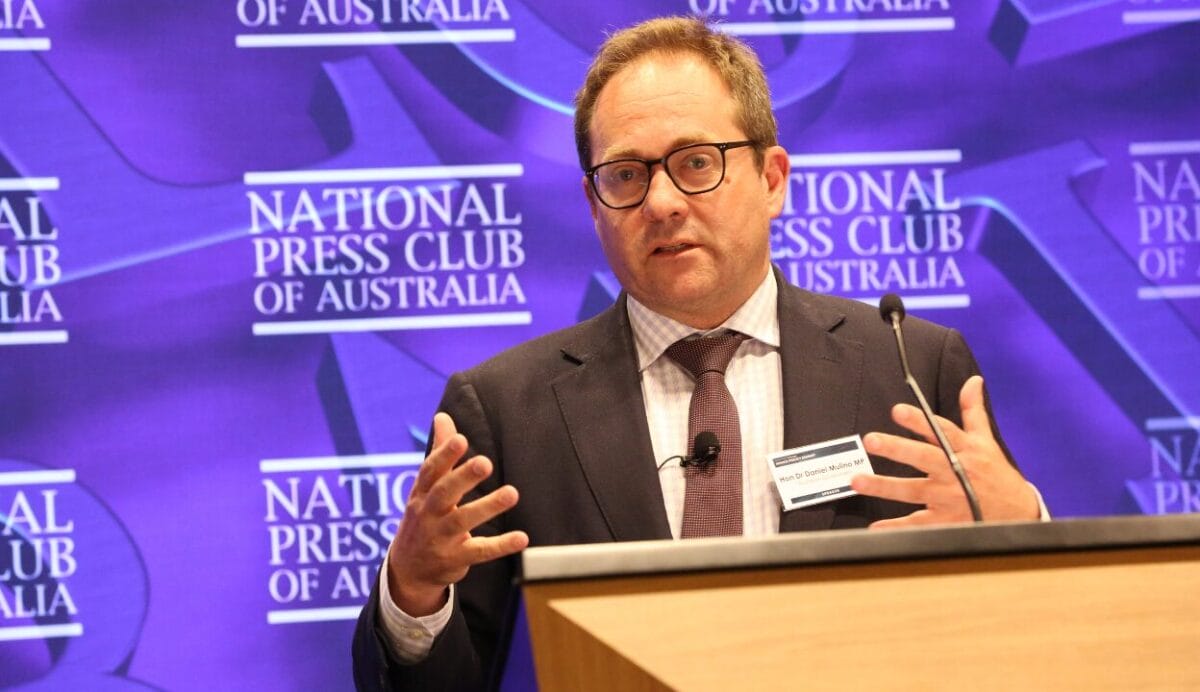
Canberra can move quickly when it wants to. On 12 November, Professional Planner reported that Daniel Mulino regarded education pathways and scaled advice as priorities, with legislation expected next year. On 19 November, he announced intra-fund advice charging legislation for the following week.
The minister owes consumers an explanation for that order of delivery. Measures that expand the qualified advice workforce are waiting. Measures that would allow funds to spread the cost of a broader range of retirement advice across their membership have a date.
Collective charging is the sleeper. Funds already spread some advice costs across their membership. The government proposes widening that scope, including for members already paying separately for an adviser, through the fund or elsewhere. ASFA highlights that the recipient would pay no separate fee. The cost has not disappeared. It has been distributed.
Individually charged advice paid from super generally requires the member’s written request or consent; collectively charged advice is exempt from that requirement. Before extending the subsidy, ministers should explain what members would pay, what choice they would have and why they should fund advice they may never use. ASFA’s retail members should ask whose interests this advocacy serves, and whether it warrants their continued support. Strange bedfellows indeed.
The government has also said it will advance the proposal for its so-called “new class of adviser”. That proposal concerns who may give advice and under what standards; the intra-fund expansion concerns what advice may be collectively funded.
Funds sell products and insurers sell policies. They should be allowed to. I have no objection to a clearly defined sales role within APRA-regulated super funds and life insurers. But if the job is explaining and selling their products, call it product sales and call the person doing it a salesperson.
That is the “could” versus “should” distinction. Explain what a product could do; and reserve personal recommendations about what a client should do for properly qualified advisers. Calling a recommendation “information” or “sales” cannot change its substance. Marisa Broome’s warning about consumers confusing the proposed new provider with a professional adviser goes directly to that problem.
Welcome bans on commissions
The promised bans on commissions, bonuses and volume payments for the new category are welcome. They do not however remove an institution’s interest in retaining assets. Nor does a profit-to-member label. The Royal Commission supplied ample warning about conflicts between institutional interests and customers’ interests. A sales conversation must never masquerade as professional advice, whether delivered through an intra-fund service or a new class of salesperson.
The FAAA’s objection also remains: if the government permits the new category to provide personal advice, why exclude advice practices? That deserves an answer. My preference is to keep product sales clearly identified and expand the qualified profession.
Aware Super, UniSuper and other progressive profit-to-member funds have done the work of building professional advice capability. Others seeking that standing should invest in qualified people, systems and supervision. No fund has a God-given right to present product distribution as professional advice.
Education reform, removing paragraph (g) from the best interests safe harbour and fixing the Code of Ethics belong together. Broader entry pathways can grow the qualified workforce. Scoped advice is already lawful, but removing the catch-all can give advisers greater confidence to agree appropriate subject matter. The promised Code review should remove duplication and uncertainty within those engagements. The underlying duties to clients would remain.
Combined with advances in automation and advice technology aided by artificial intelligence, these changes can materially improve the efficiency and affordability of professional advice. That opportunity is available to advice practices and to funds prepared to invest in qualified teams. The recent Professional Planner debate about paragraph (g) should not reduce its value to file lengths or an existing membership fee. The larger opportunity is to build better services around what clients need.
These reforms should not be held hostage to the conflict over collective charging and the new adviser category. If ministers are serious about consumers, they should give reforms that strengthen professional advice the same urgency as the intra-fund concession.
A question about confidence
The pension-boost proposal raises a related question about confidence in retirement planning.
Treasury proposes valuing certain deferred retirement-income products for the Age Pension assets test using an observable balance or investment-return proxy, replacing the current deeming-based method. The products would remain legal, and ordinary lifetime-income concessions would remain.
The proposed start date is 1 January 2028, with existing rules continuing where the assessment day falls before then and transitional protection for payments made before 19 November 2026. That does not protect every future contribution planned for an existing product. Preserving amounts already paid does not preserve an entire retirement strategy.
The government can argue that people with comparable means should receive comparable pension support. It must also account for the disruption when consumers plan around lawful rules that it subsequently changes. Having encouraged retirement-income innovation, Canberra cannot dismiss the cost of uncertainty for the people expected to use it.
Chalmers has acknowledged that several funds raised concerns about pension-boost products. Which funds, and what did they seek? Publish the assessment of the consequences for competition and consumers. Profit-to-member and retail providers should compete on the merits of their solutions. A provider’s difficulty matching a rival’s proposition is no reason, on its own, to rewrite the rules.
Advisers will have to explain all this to clients: who is qualified to recommend, who pays for whose advice, and which retirement assumptions still hold. Ministers should not assume those conversations will remain confined to consultation submissions. Labor’s backbenchers may find themselves explaining the same choices in their communities as the next election approaches.
Chalmers and Mulino have demonstrated that the government can put legislation on a timetable. They should apply the same urgency to reforms that grow professional advice, justify the costs they want members to share, and exercise greater care with retirement settings. Consumers deserve to come first in the delivery schedule as well as the press release.
Keith Cullen is founder and managing director of WT Financial Group.










Leave a Comment
You must be logged in to post a comment.
Login via LinkedIn