
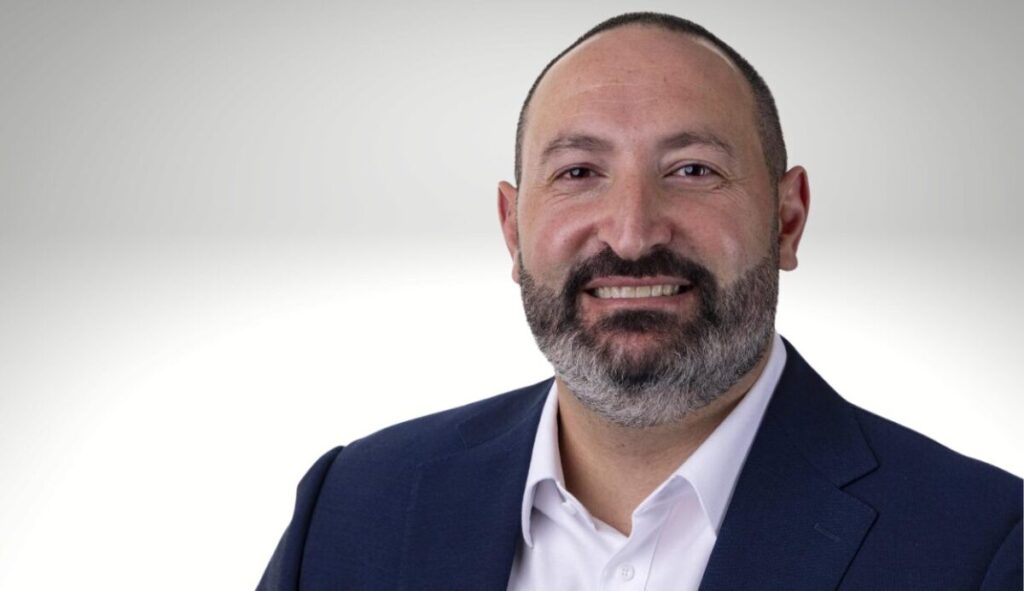

One of the men ASIC alleges played a key role in the distribution of the Shield and First Guardian funds expects that the courts will find in favour of any adviser who fights the regulator’s claims that they failed to meet client best interests.
Ferras Merhi is currently in court defending allegations brought by ASIC alleging he failed to act in the best interests of clients and gave conflicted advice, having allegedly received millions of dollars from the funds’ operators to help promote them and push clients into those investments.
Merhi ran the Venture Egg firm authorised by the Sequoia-owned InterPrac Financial Planning as well as running self-licensed Financial Services Group Australia.
ASIC has banned a dozen or so advisers to date, but only InterPrac-authorised Aristotle Papapavlou has received a permanent ban. Merhi has received neither.
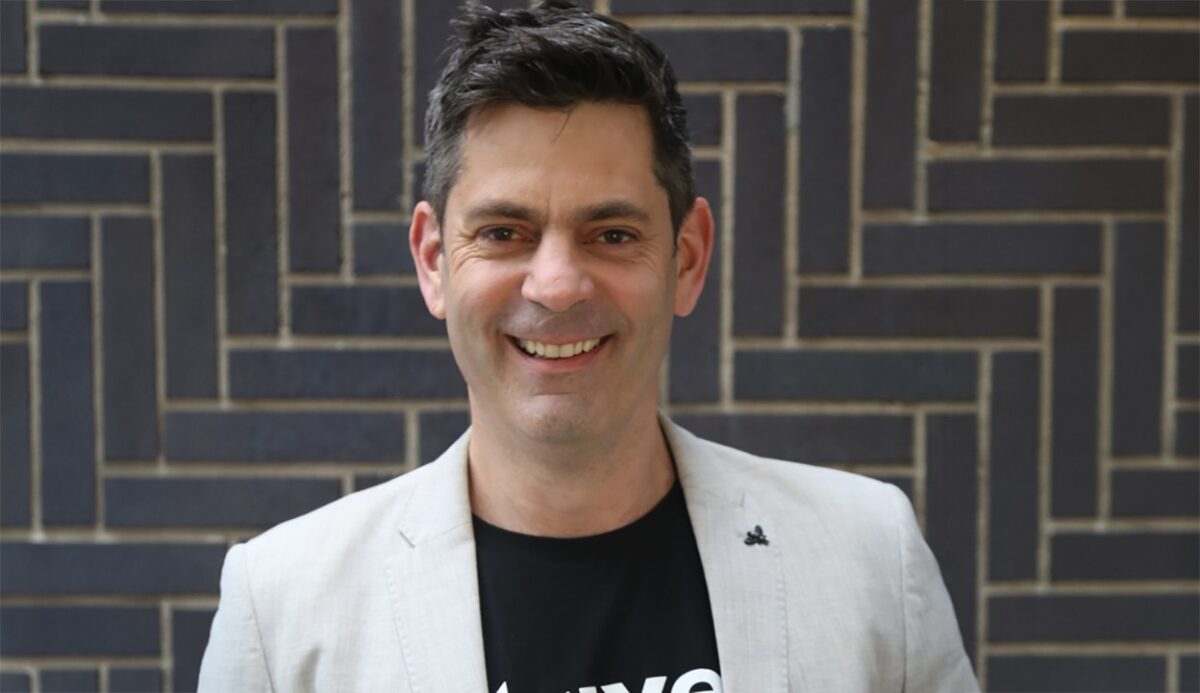
In an exclusive interview with Professional Planner, Merhi says he is confident the court will clear his name.
“They’re so powerful in the way they have funding to just wear people down and put them in a position where they can’t fight, but I can tell you now if advisers actually fought this, which I’m trying to do, there’d be a different outcome,” Merhi says.
“If a judge got to hear how I went about things, you would find there were no breaches in the law. I’ve been maintaining that from the get-go.”
Merhi says courts have the final say on what the law means, and how it is applied.
“I’m not all against ASIC, I actually commend ASIC – they’re very valued in the way they go about doing things but their misunderstanding of the industry is what’s causing this,” Merhi says.
“I think that ASIC should allow a fair trial on myself and others… and how best interest duties should apply instead of having it so grey.”
Merhi has unexpectedly found himself as a catalyst for change in the industry. The aftermath of the Shield and First Guardian collapse has seen Minister for Financial Services Daniel Mulino bring in a suite of policy proposals covering the oversight of advisers, lead generators, superannuation platform trustees and managed investment schemes (MISs).
Merhi says the government should compensate investors due to a “hole” in the law whereby MISs have a lower level of protection than APRA-regulated entities such as super funds, banks and insurers. He notes that superannuation is a compulsory social compact between Australians and the government.
“This whole banning advice fees that Mulino wants to do… that’s a PR stunt if I’ve ever seen one,” Merhi says.
“Stop [letting] MISs have a free run at pulling retail investor money and then ultimately putting another person in this situation where an adviser believes a fund manager is going to do the right thing and he doesn’t.”
While confident he has done nothing wrong and that he will be cleared by the courts, Merhi is still facing the prospect of an ASIC ban likely heavier than those faced by his peers.
He says he’s open to returning to financial advice, if it is possible to do so.
“I love financial advice, I love financial services, I think it’s a great industry,” Merhi says. “If people would have me, I would do it, but that’s not up to me anymore.”
Last licensee standing
In addition to forcing the government to re-write advice laws and holding back long-awaited reforms that would’ve simplified financial advice, the Shield and First Guardian collapse has led to the downfall of the InterPrac licensee.
Sequoia announced in March that it would sell InterPrac for $50,000 to Conquest Investment Partners, a little-known entity, in a proposed transaction that has sparked concerns from the profession, regulators and investors over the solvency of the licensee.
Court documents allege 6843 clients of InterPrac-authorised advisers invested a total of around $677 million in the funds.
Merhi says it was always going to be the case that InterPrac could not remediate clients because Sequoia never had the financial means to do so.
“My understanding is that InterPrac tried to do a deal where they would utilise all their PI [professional indemnity] insurance and whatever they had in cash to repay back all the advice fees, but they could never afford the ‘but for’ stuff and be liable for the whole amount,” Merhi says, referring to AFCA’s method of awarding clients investment gains they missed out on due to poor advice.
“I thought it was not the right move to go after the licensee for that amount because they were always going to be pushed into a liquidation corner. That’s essentially what’s happened, I’m not sure why everyone’s surprised by this.
“It was inevitable that if you make InterPrac liable for $500 million… it doesn’t have anywhere near that on its balance sheet. What can you possibly do but liquidate?”
InterPrac had ceased authorising Merhi in May 2025, but he says he “can’t fault” under-fire Sequoia managing director Garry Crole nor does he understand why Crole and InterPrac advisers are being blamed for the collapse.
“I love InterPrac, I’ve got nothing bad to say about them, they were a great licensee,” Merhi says.
“We all did our best and there was never any intention to harm anyone. We saw a lot of clients that weren’t happy with the funds they were with and so this was a great opportunity to move them to another platform that promised to be better.”
ASIC has alleged Merhi signed 6000 Statements of Advice within a three-year period, under InterPrac’s oversight.
ASIC has since banned several advisers for misattribution on SOAs, which was uncovered by an investigation by Professional Planner, as well as breaches of best interests duty in the past few weeks.
But Merhi says this was another example of ASIC “not understanding” the industry.
“If someone else had presented a Statement of Advice or used someone else’s name on a Statement of Advice, that would be called fraud, right? Why don’t [ASIC] just call it fraud then?”
Instead, he argues that advisers working on his behalf had the SOAs signed in his name so those clients would be tied to him and his company, preventing those advisers working for him from being able to take those clients if they moved firms. He adds the advice was constructed by an adviser and reviewed by a compliance team.
“There are no laws to protect the company from an adviser just waking up one morning and saying, ‘you know what, I don’t like Venture Egg anymore’,” Merhi says.
ASIC also alleged Merhi kept funds in an offshore account in the Cayman Islands, which he disputes.
“Not only do I dispute it, it was proven not to be true,” Merhi says.
“I had a receiver appointed to my assets for 90 days to investigate and they’re still on there now. They sent a report to ASIC that shows I had no money in the Cayman Islands or any other offshore companies as well. It was a fishing expedition they were worried about.”
Flowing pipeline
Investments in Shield and First Guardian grew due to a sophisticated network of lead generators that contacted people who used online “superannuation health check” advertisements before utilising high-pressure sales tactics to refer them to financial advisers.
ASIC acted against the Shield and First Guardian funds over concerns investor money was being misused on high-risk investments, pet projects of directors and personal expenses. Court proceedings against both funds are ongoing.
The two funds were managed separately, with liquidators for Shield expecting to recover roughly 70 per cent of the funds, while liquidators for First Guardian have so far only reclaimed $1.6 million with further recovery efforts in doubt.
ASIC has alleged Merhi used marketing companies to push potential clients to his financial advice businesses while receiving nearly $18 million in upfront advice fees and $19 million from entities associated with the funds to market them.
“I don’t talk to anyone from First Guardian anymore, they really upset me in the way that they lied to me,” Merhi says.
“Paul [Chiodo], I still have a conversation with every now and then. I still feel like [Shield] shouldn’t have been liquidated. I’m still standing behind Shield.”
Merhi says the only “weird” element of Shield was the relationship with building contractor Robert Filippini, the construction company used by Chiodo Corporation in Shield’s property projects.
Merhi says he waited to add investor funds until both funds received ratings, which were ultimately issued by SQM Research. SQM is also fighting allegations in court that its processes fell short of expected standards when it gave an investable rating for the funds.
Merhi says the managers of Shield and First Guardian asked him to recommend the funds to clients before it went on platforms.
“I won’t recommend you until you get a rating because that’s step one,” Merhi says. “Step two, I’ve got to get it on my APL. I put it to InterPrac and said ‘InterPrac could you please review this’.”
In addition to allegations of a conflicted relationship, it’s been alleged through ASIC’s court proceedings and AFCA’s determinations that lead generators were acting in the role of an adviser by giving product recommendations.
Merhi says he has been using lead generation services since 2015, noting that it’s a common industry practice that has been in use for decades.
“Those particular call operators, they’re not giving advice but they’re uncovering whether or not – if an adviser gets stuck on the phone calling hundreds of clients to see whether they qualify, they even [need] to speak you’re not going to have much of a profession,” Merhi says.
“When that prospective client goes over to Venture Egg, remember the monies that have been paid are in the past, there’s no payment for a recommendation and I really like to make that clear.”
Merhi’s defense of the payments was that he believed the money was coming from the fund manager rather than fund assets.
“That’s where people have that misconception of how those payments were made,” Merhi says.
“There’s been no evidence from ASIC to date, since the investigation began in November 2023… where member money was paid to any of my lead generators or marketers or any of the companies that I was associated with.”












Leave a Comment
You must be logged in to post a comment.