

The corporate regulator has criticised the ‘deeply disappointing approach’ InterPrac has taken with its lawsuit against AFCA and is considering next steps against the licensee for unpaid determinations.
AFCA announced on Thursday afternoon that it will continue to accept InterPrac complaints, continuing its investigation work and following through the normal process, but will stop at making a formal determination while the court proceedings are underway.
InterPrac is suing AFCA over “fairness” concerns and jurisdictional coverage, arguing the complaints authority hasn’t factored in other parts of the value chain, particularly trustees.
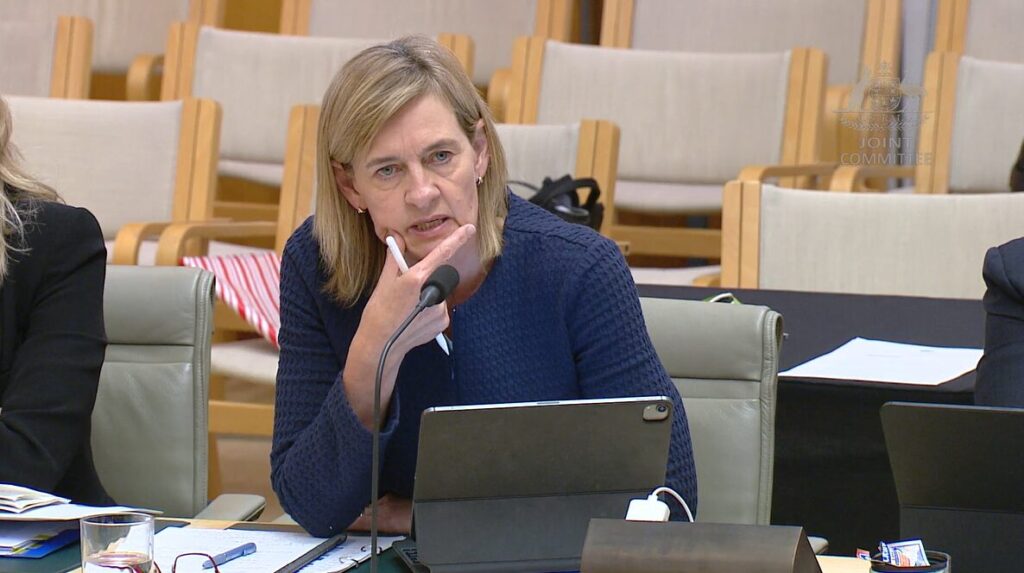
ASIC deputy chair Sarah Court told a parliamentary committee on Friday that one of those concerns is that the court action could act as a disincentive for other investors to lodge AFCA complaints.
“Our view is that it is a deeply disappointing approach to be taking to one of the many victims of the collapse of these funds,” Court said.
“We are most concerned… to make sure any potentially affected investor lodges an AFCA complaint and that people are not put off filing those complaints as a result of the conduct of InterPrac in taking these matters.”
The decision to halt InterPrac determinations comes after First Guardian investor and victim advocate Melinda Kee was dragged into proceedings and the licensee has delayed paying out any determinations approved by AFCA.
Court said the regulator is considering further action against InterPrac for the unpaid determinations.
“We’ve been recently advised by AFCA, that InterPrac has refused to or failed to give effect to the AFCA determination that concerned Ms Kee so that does now put within our ballpark the ability to take some action in relation to that failure to give effect to that determination,” Court said.
InterPrac parent company, ASX-listed Sequoia Financial Group, has previously called on trustees and the government to remediate investors, arguing it should not be required to fund all investor remediation.
AFCA rules only allow it to rule on the advice given out, meaning other parts of the chain aren’t held responsible for failures.
ASIC has taken InterPrac to court over allegations that it failed in its oversight responsibilities of advisers involved in distributing the funds.
The regulator has alleged former InterPrac authorised representative Ferras Merhi, who has also been taken to court, signed 6000 Statements of Advice within a three-year period and used marketing companies to push potential clients to his financial advice businesses while receiving nearly $18 million in upfront advice fees and $19 million from entities associated with the funds to market them.
The regulator has also commenced proceedings against Netwealth and Macquarie, who agreed to remediate investors, as well as Diversa Trustees and Equity Trustees for onboarding the funds.
Equity Trustees and Diversa are fighting allegations of wrongdoing in court, as is SQM Research which was the researcher that gave the funds an “investable” grade.
InterPrac’s parent company, Sequoia Financial Group, tried to sell the under-fire licensee which has lost over 100 advisers since the start of the year.
However, a $50,000 deal with unknown entity Conquest Investment Partners has been halted with ASIC intervening in the sale over concerns it could impact potential remediation for Shield and First Guardian investors.
Sequoia announced the resignation of chair Mike Ryan on Wednesday, and former ASIC Commissioner Danielle Press also recently quit a governance committee established by the group, seven months after she was recruited to help lift governance standards for the licensee.
Sequoia’s share price has dropped from 55 cents per share at the start of 2024 to 13 cents at close of business on Friday.
ASIC deputy chair Sarah Court told Professional Planner earlier this week that the regulator’s view was that InterPrac was significantly responsible for the advice given and plans to hold the licensee to account through the court process.
“We were very concerned about the proposed sale of InterPrac and very concerned about what [that meant] for any of the liabilities that sat with InterPrac for those losses,” Court said.



















Leave a Comment
You must be logged in to post a comment.