


Equity Trustees has argued it was a victim of fraud from Shield and First Guardian, but court documents from ASIC allege the trustee was required to conduct due diligence on any fraud-related investment risk.
ASIC announced on Thursday morning it has launched a fresh set of court proceedings against Equity Trustees Superannuation Limited, this time covering alleged misconduct for onboarding the First Guardian Master Fund.
The regulator launched proceedings last year against the trustee, owned by ASX-listed EQT Holdings, for onboarding the Shield Master Fund – which the group argued was only due to the fund fraudulently passing its due diligence process – and this action is the fifth against the trustees involved in the $1 billion collapse.
The regulator has settled with Macquarie and Netwealth for a combined $421 million remediation deal to investors, while Diversa Trustees is fighting allegations of wrongdoing in court.
Equity Trustees was the only trustee involved to onboard both funds as a trustee-for-hire for Dash’s Super Simplifier (Shield) and AMG Superannuation Fund’s NQ Super (both).
Over $65 million was invested in First Guardian between June 2023 and March 2024 by around 2700 members of both trustees. In total, liquidators estimate $446 million was invested into First Guardian.
ASIC alleges the trustee ignored its own rules by approving the fund in violation of its own internal investment governance framework, including the holding limit.
Court documents allege that Equity Trustees ignored its own processes, which required a sign-off from the trustee’s board investment committee for approval for onboarding due to the significant exposure to illiquid assets.
ASIC also alleges that Equity Trustees allowed its members to invest 100 per cent of their funds in First Guardian despite evidence it was or may have been illiquid.
ASIC also alleges that Equity Trustees did not obtain critical information before onboarding First Guardian such as its constitution, audited financial accounts or an audit of its compliance plan.
ASIC is seeking compensation for members for losses as well as civil penalties.
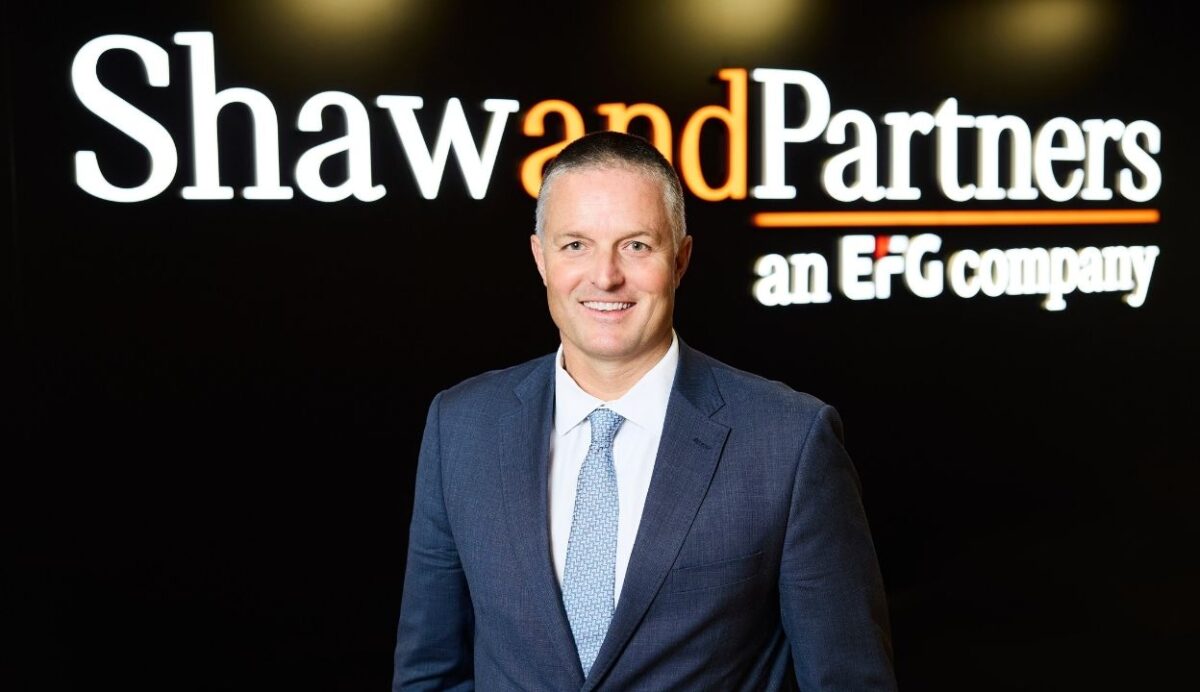
Equity Trustees managing director Mick O’Brien said the trustee will continue to defend any allegations of wrongdoing.
“As with the Shield Master Fund, we believe ETSL acted in line with its fiduciary duties and obligations under the Corporations Act and Superannuation Industry (Supervision) Act,” O’Brien said in a statement to investors.
“We believe that First Guardian is primarily a case of alleged and widespread fraud, and that the focus should be on those parties.
“The actions by regulators and government to expose the misconduct of now-banned financial advisers and allegedly fraudulent promoters, responsible entities and investment managers are commendable, as are the initiatives to strengthen consumer protections.”
The group is aiming to sell the trustee-for-hire arm, with plans announced before the government began consultations that could see the business model outlawed as part of a broader suite of industry reforms in the aftermath of the Shield and First Guardian collapse.
ASIC deputy chair Sarah Court said trustees play a critical role in helping their members save for retirement, but she alleges Equity Trustees failed to put the interests of their members first.
“We allege that a prudent superannuation trustee in Equity Trustees’ position would not have approved the First Guardian classes as investment options based on the information it had available,” Court said.
The regulator has taken court action against both the Shield and First Guardian funds and directors, as well as lead generators and advisers allegedly responsible for rolling investors into the managed investment schemes.
ASIC has taken action against InterPrac Financial Planning authorised representatives Ferras Merhi and Rhys Reilly, taking the former to court and banning the latter for 10 years.
The regulator has alleged Merhi signed 6000 Statements of Advice within a three-year period, used marketing companies to push potential clients to his financial advice businesses while receiving nearly $18 million in upfront advice fees and $19 million from entities associated with the funds to market them, and received inflated loans from the fund to help purchase his businesses.
ASIC has taken InterPrac to court over allegations it failed in its oversight responsibilities of advisers involved in distributing the funds.
Several other licensees have been cancelled for their involvement in the distribution of the funds and InterPrac is currently the only solvent licensee implicated in the collapse of Shield and First Guardian.
The regulator has taken SQM Research to court for providing insufficiently rigorous research reports about the funds.

















Leave a Comment
You must be logged in to post a comment.