


Something is shifting in the power dynamics of the Australian financial system, and it is happening quietly enough that the institutions on the wrong end of it may not have fully noticed yet.
For most of the past two decades, power rested with capital – the asset managers and platforms that manufacture financial products. They held the infrastructure, the data and the lion’s share of the capital allocated to the wealth management sector.
The advice profession – what remained of it after the Hayne royal commission did its necessary work – was smaller, chastened, and for a period genuinely uncertain about its commercial future. That period is over.
The advice sector is now better capitalised than it has been in a generation. Consolidation has produced large, sophisticated businesses with the balance sheets to invest at scale. Margins have improved. And the profession’s most ambitious operators are no longer waiting for a product manufacturer to solve their problems for them. They are building the solutions themselves.
There are signals that not only professional advice practices but now also licensees and advice networks are beginning to thrive.
In the public markets, audited numbers tell some positive stories. WT Financial Group lifted revenue 17 per cent to $217 million in FY25 and grew profit more than 20 per cent, with margins expanding sharply as scale took hold. Count’s shares are up nearly 20 per cent over the year to Monday, and it is on track to meet ambitious growth and productivity targets. Centrepoint Alliance grew revenue 13 per cent and earnings before interest, taxes, depreciation, and amortisation (EBITDA) 16 per cent, though statutory net profit fell on one-off costs.
Sequoia Financial Group, of course, managed to miss out on the turnaround, with the Shield and First Guardian episode at its InterPrac Financial Planning licensee proving a costly own goal.
Private markets have taken notice too. While not technically a licensee, Paul Barrett’s AZ NGA network received a $240 million injection from Oaktree Capital Management, a storied global manager. Bain Capital’s acquisition of Perpetual’s wealth management business has brought another established advice licensee under private equity ownership. And Scarcity Partners took a minority stake in Infocus Wealth Management, explicitly citing the structural shift underway in the advice market – having seen its earlier investment in Evidentia return more than two and a half times its money in 12 months.
These are not the financials of a sector clinging on, but of one that has found operating leverage and can start focusing on deploying it.
Entireti’s recent partnership with Californian fintech Communify to build ERAi – an AI-powered platform designed to centralise data, automate processes and help its adviser network toward a target of 200 clients per adviser – is a useful illustration. The platform integrates with existing technology rather than replacing it, pulling together data from across a practice’s operations into a single knowledge base to support the delivery of personal advice. It is being built inside the licensee. Not handed down from a product manufacturer.
To be clear, this is not an argument against platforms or investment product providers. The advice ecosystem needs them, and the best among them have been genuine partners in rebuilding professional status for advice.
But tides turn across business cycles. The manufacture of financial and investment products created billionaires and market darlings. The advice function, meanwhile, was carried by a mostly small-business workforce that struggled to keep pace with the rising cost of regulation, much of it the legacy of the major banks’ most recent foray into wealth.
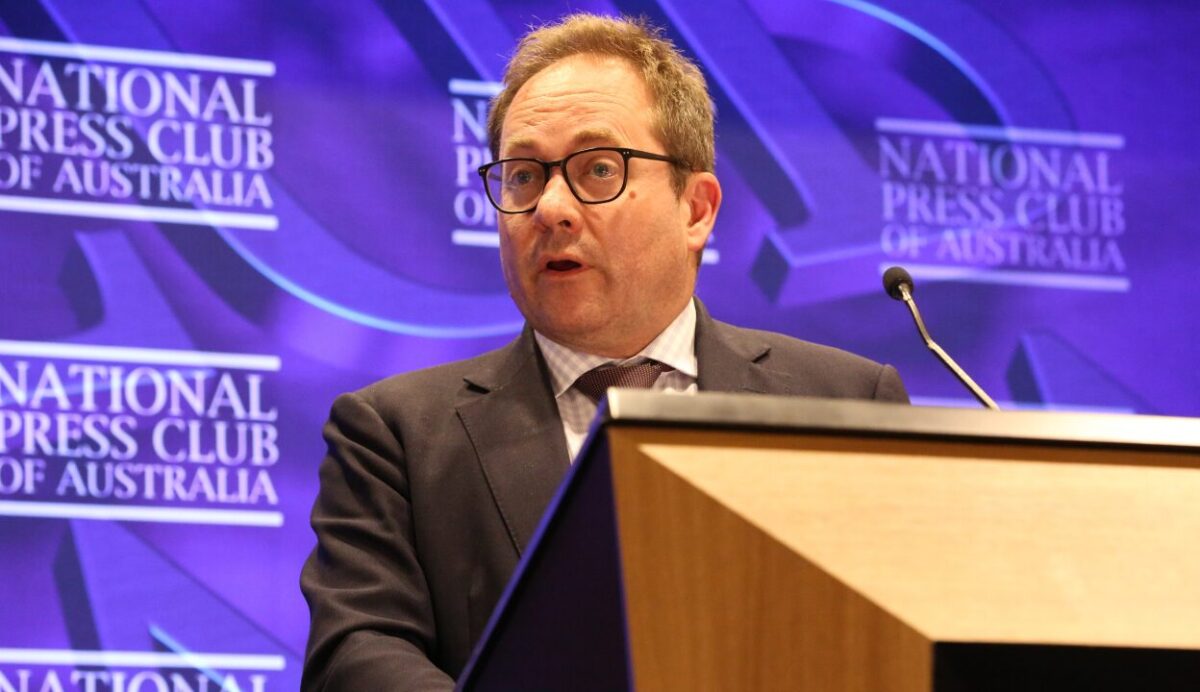
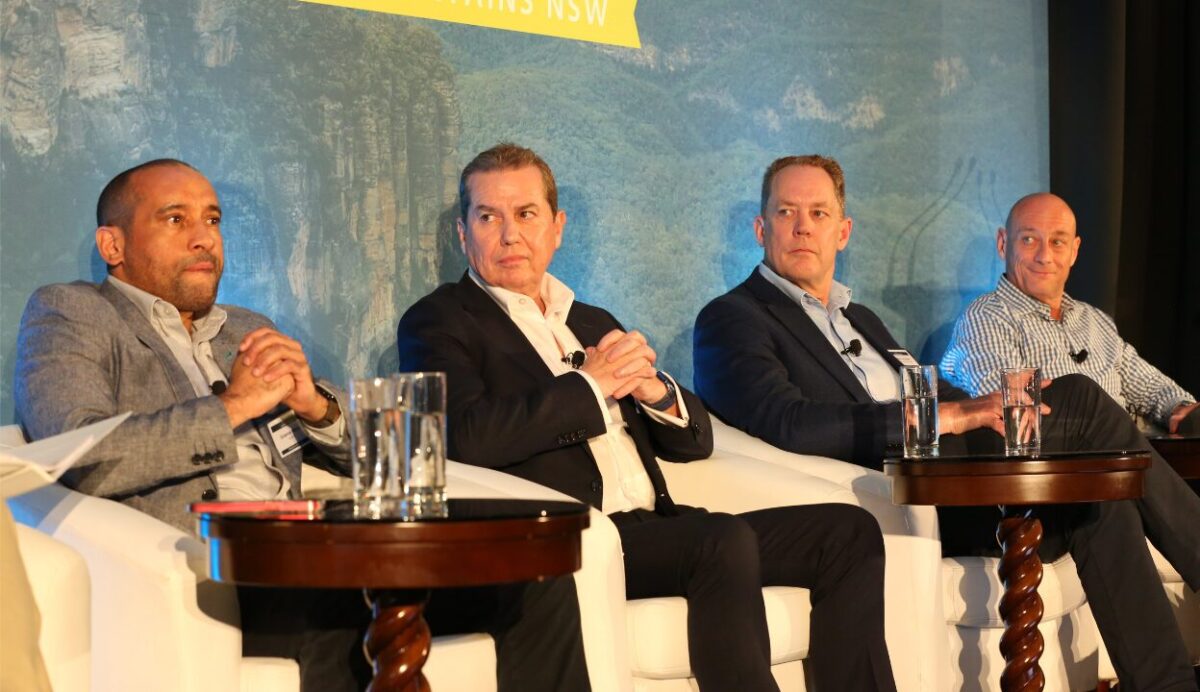
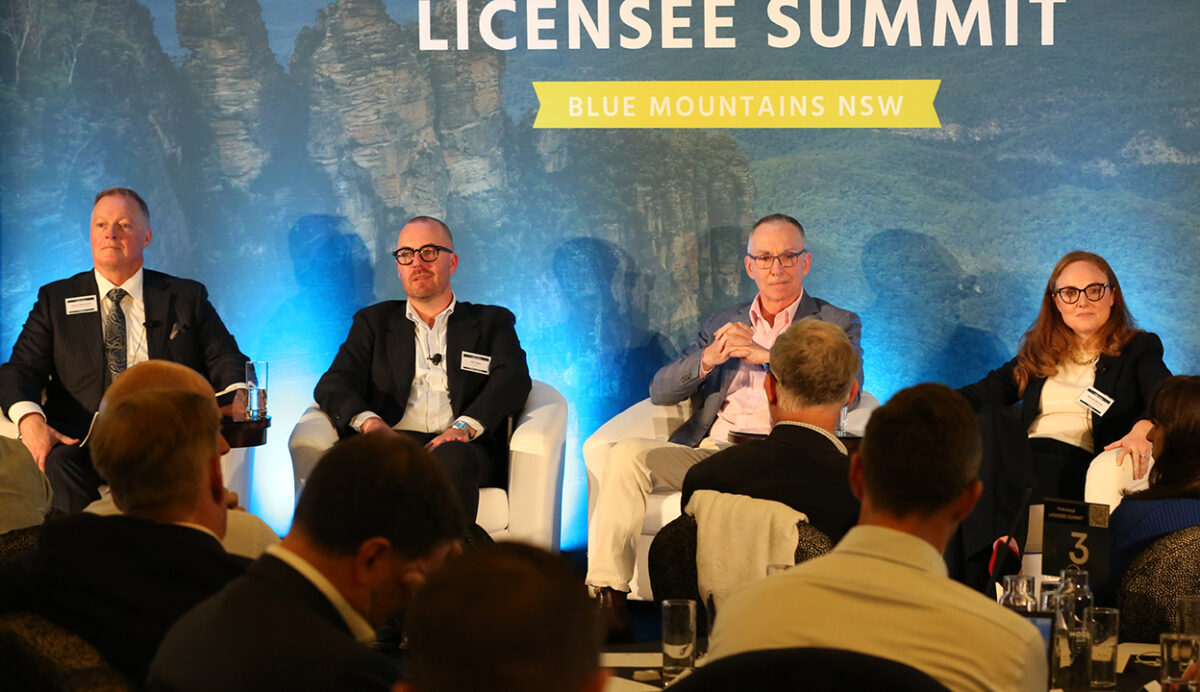
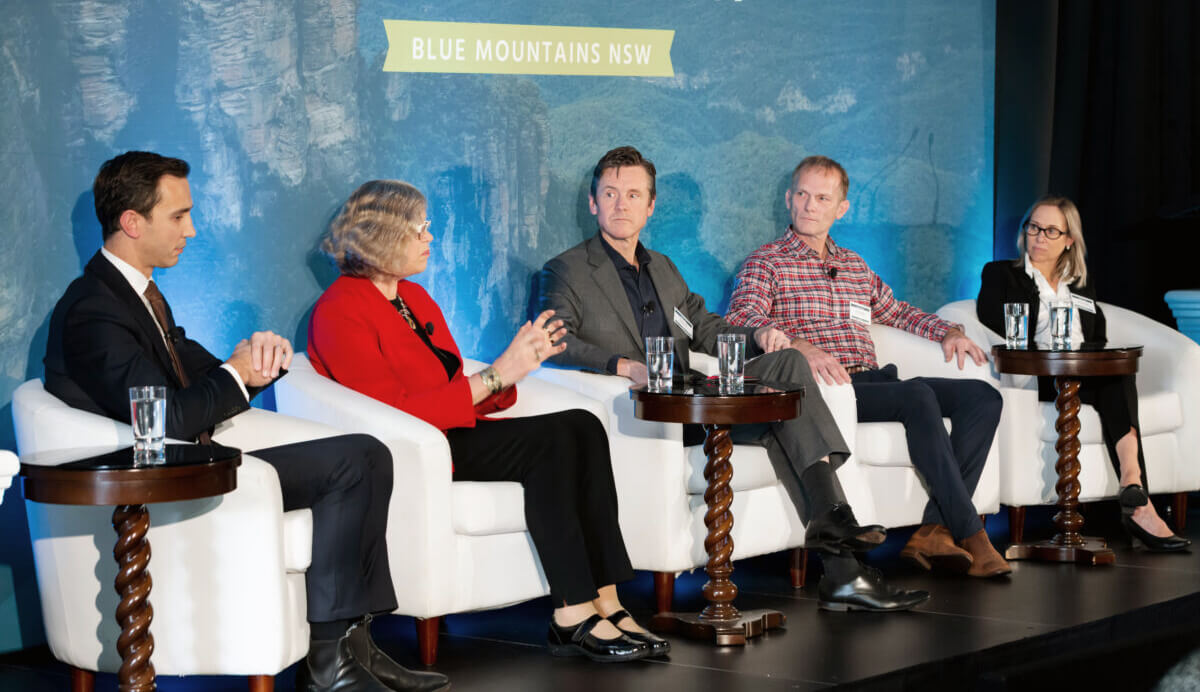
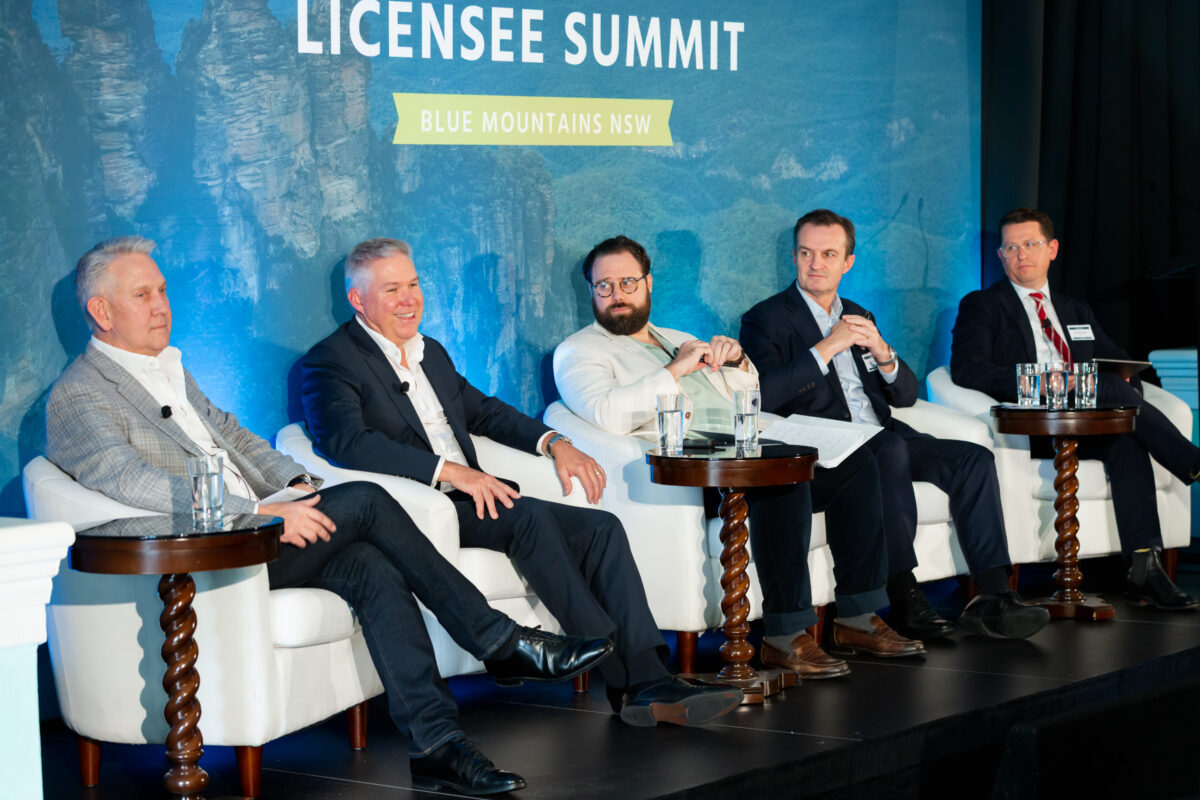
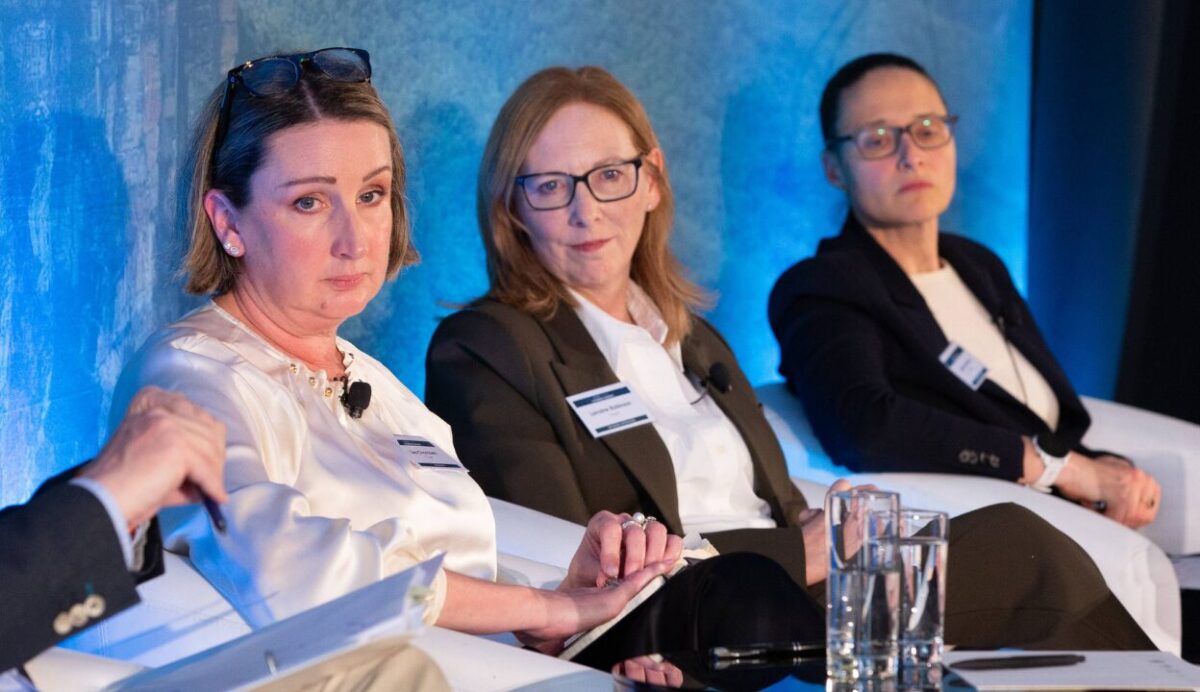
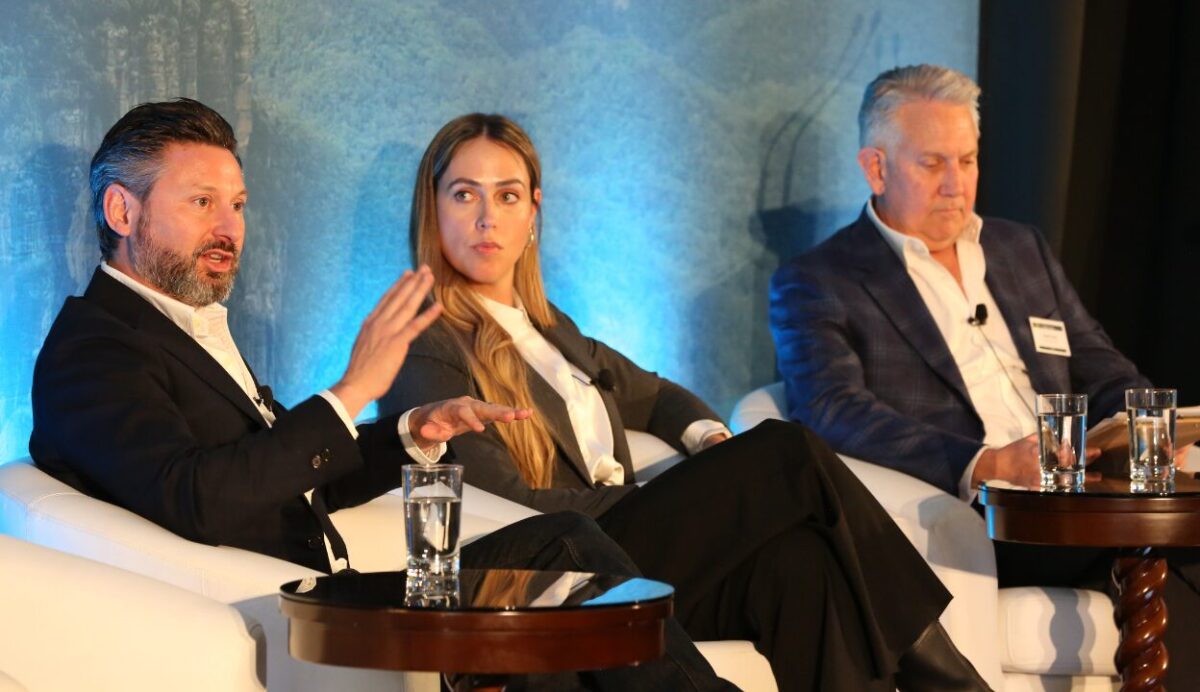
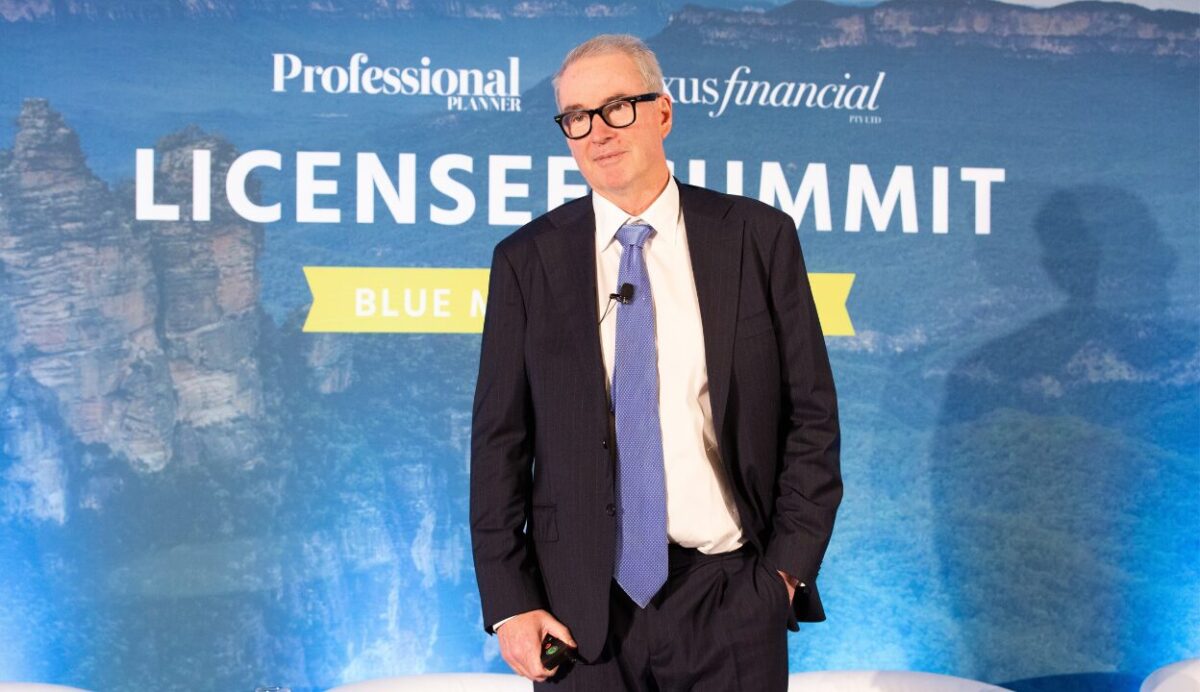
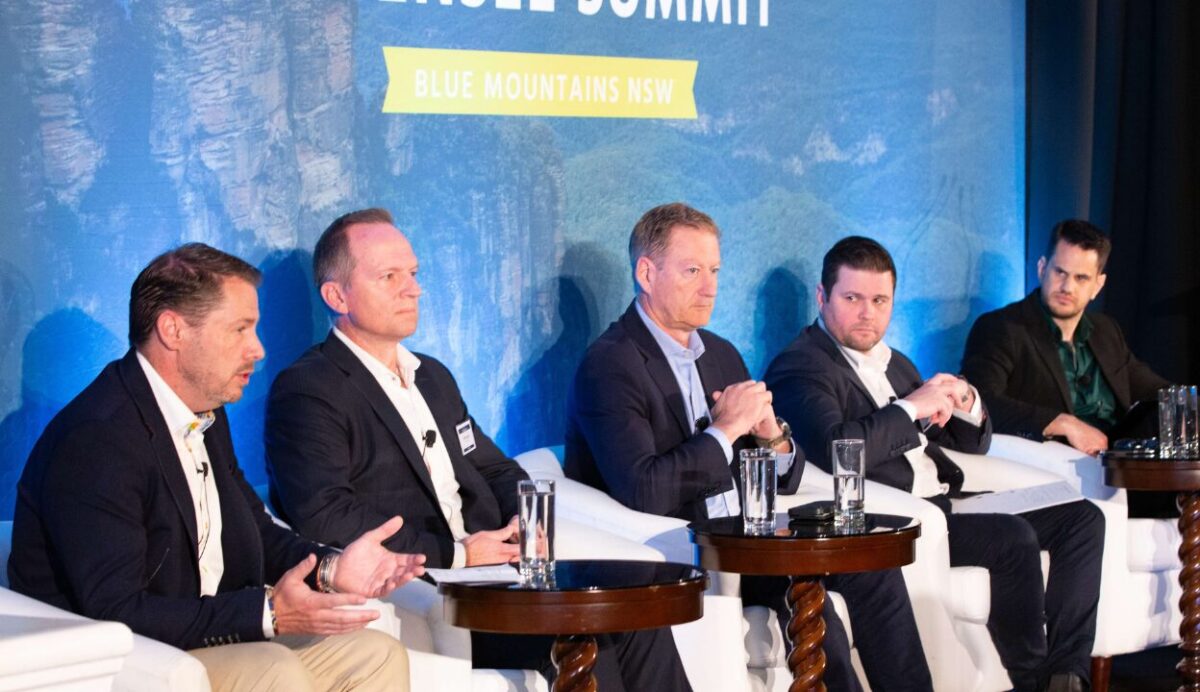
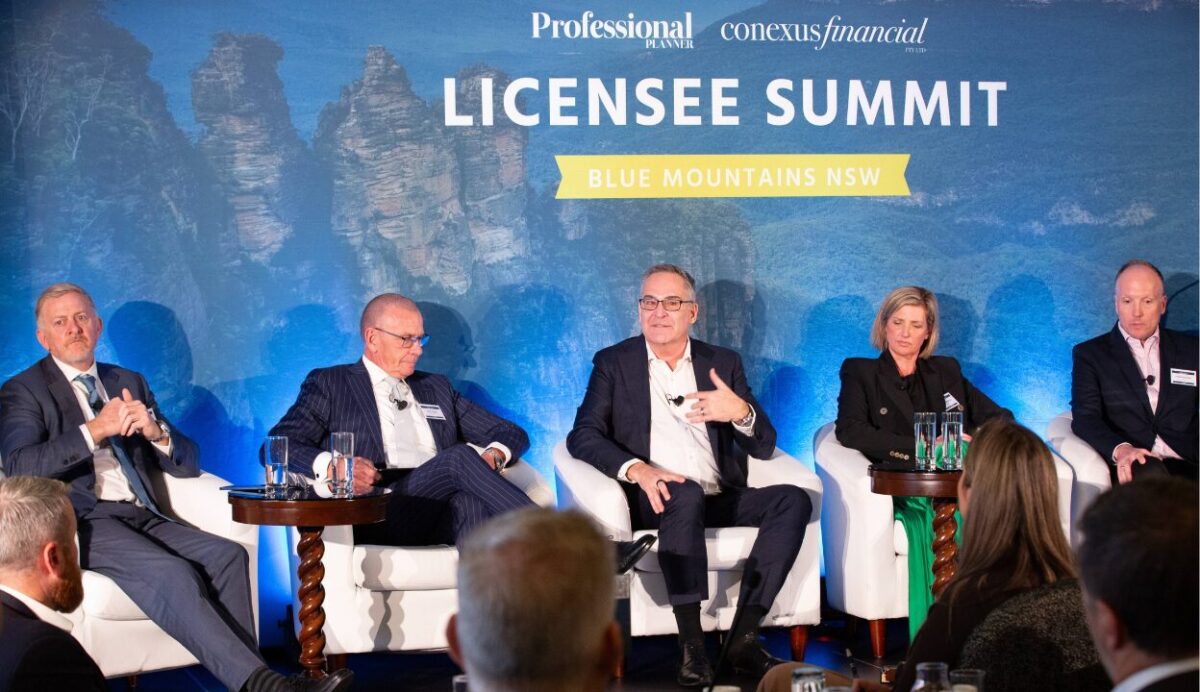
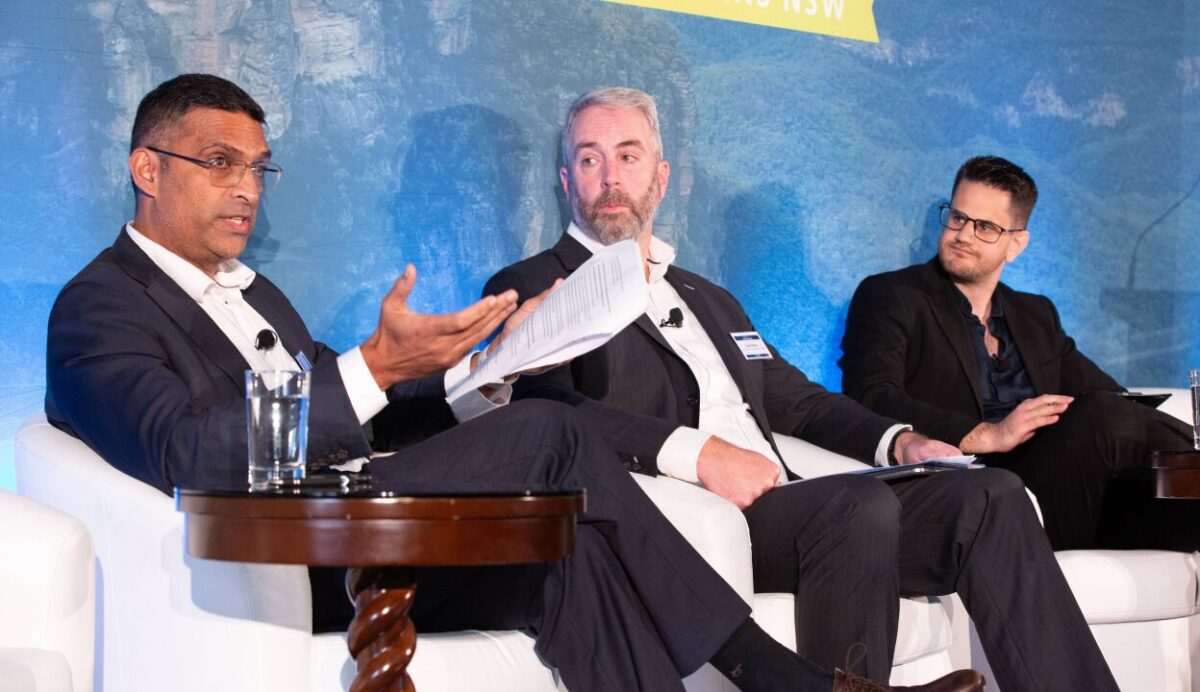
The 2026 Licensee Summit, opening in the NSW Blue Mountains for the 15th time on Wednesday, will not debate the path ahead for those rules and regulations. That conversation is stalled in the office of Minister for Financial Services Daniel Mulino, where it is likely to stay for the foreseeable future. But it will consider whether an equilibrium is returning to the economics of the industry.
The caveat is important, though. The same conditions that have produced this moment – rising margins, capital concentration, commercial confidence – also carry familiar risks. The appetite to build model portfolios, acquire investment management capability and manufacture product for proprietary distribution is visible again in parts of the market. AI, of course, sharpens both the risks and the opportunities of embracing that impulse.
Shield and First Guardian are a sobering reminder that the advice ecosystem’s health is not measured only by the fortunes of those at the top of it. Professional status has arguably been attained, putting practitioners, owners and licensees in a more advantageous position than they have enjoyed in years. But memories of why the old model failed may well prove shorter than the consequences of its failure.
Aleks Vickovich is acting co-chief executive of Conexus Financial, publisher of Professional Planner. Conexus Financial founder and managing director Colin Tate AM is on long service leave.




Leave a Comment
You must be logged in to post a comment.