

The regulator revealed in its FY26 corporate plan last year that it would be conducting a surveillance of AFSLs recommending and offering managed accounts to retail clients, and in November last year, Professional Planner revealed that ASIC began issuing notices to licensees and separately managed account (SMA) providers seeking information about any sales and revenue targets, inducements and benefits to offer SMAs to retail clients.
IMAP/Milliman’s latest census data shows managed accounts are nearing the $300 billion threshold with $292.9 billion in funds under management as of 31 December 2025.
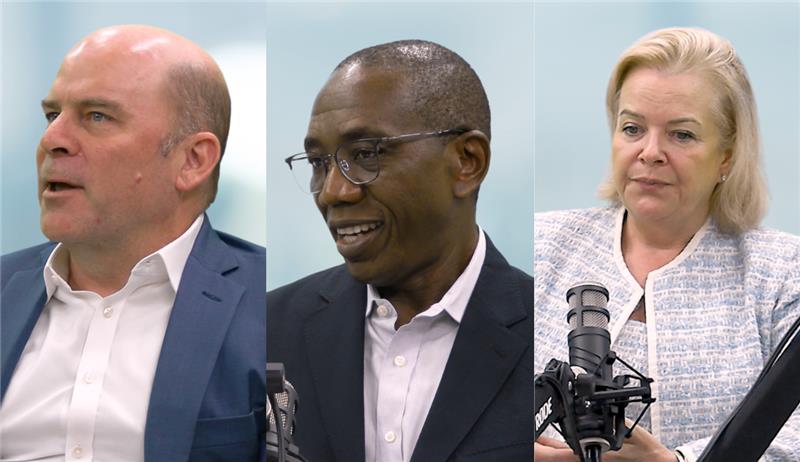
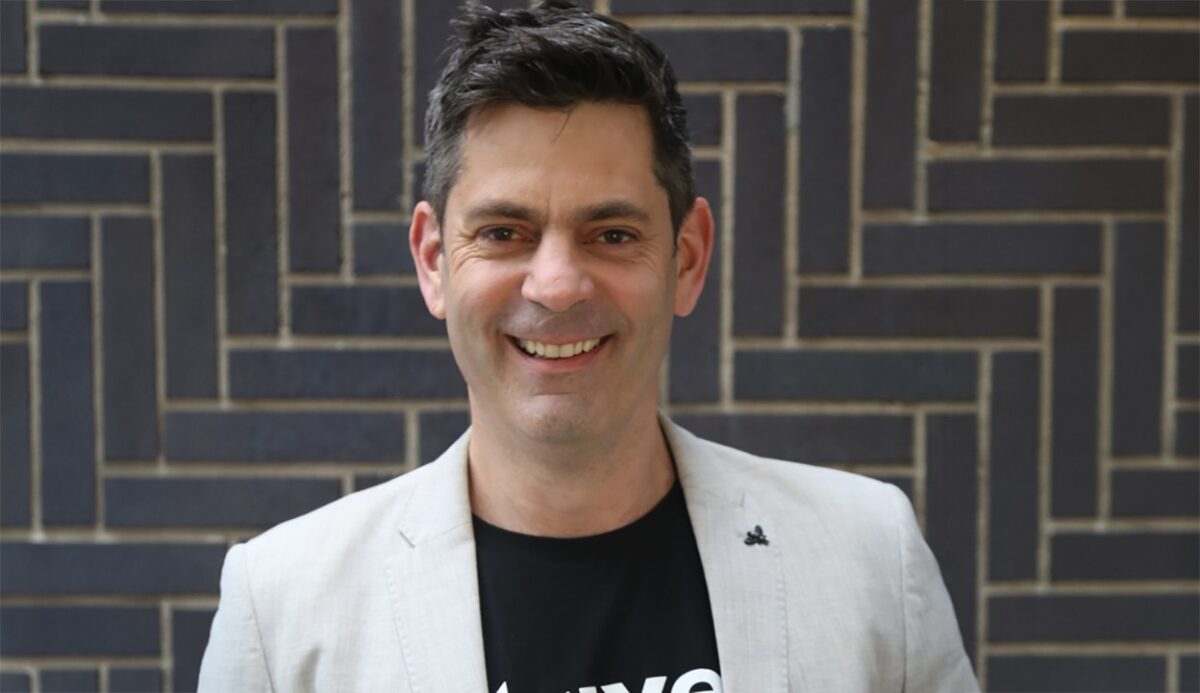
North general manager for managed portfolios and investments David Hutchison told the podcast that almost a third of all advised assets are in managed accounts and that the segment’s growth has piqued regulatory interest.
“What they’re interested in doing is saying, ‘whilst we can see there are a lot of adviser benefits in being able to run managed accounts, to what extent are they benefiting the client?’. And then into what extent is the setup of them right so that any conflicts that exist – and there clearly some conflicts that are around – are being managed appropriately, are being disclosed and being done with the client in mind.”
Hutchison said advisers do receive a benefit to using managed accounts because they want to make sure their clients have the right investments at the right time.
“We’re seeing that today in markets,” he said. “Let’s hope there’s not any skeletons in the closet anywhere but by and far these things are done because they give client better investment outcomes.
Jacqui Fernley, founding partner of Arc Point OCIO and former Mason Stevens CIO and JBWere head of equities, said that the alternative to managed accounts is advisers running their own portfolios – which is outside of their core expertise and value proposition to clients.
“Without a managed account what do you get? That’s the piece of the puzzle that I’ve seen firsthand,” Fernley said.
“Rightly or wrongly, often there’s a paper portfolio being run internally. That adviser can potentially cherry-pick that portfolio and therefore it’s missing particular instruments that are there for a reason.”
She added that if a portfolio needs to be changed, that process can take upwards of six months.
“If you’re the smallest client of an adviser book, you get the last phone call that could be six months after that decision was made internally,” Fernley said.
“I actually fundamentally believe that this is a process of democratisation of good advice. It is absolutely in the best interest of the end client to do it. The adjunct is, yes, it makes efficiencies for an advice practice and therefore that advice business can service more clients and we have an unmet advice need.”
However, she conceded the industry needs to make sure there aren’t “bad actors” and that the system has integrity and is transparent.
“But I’m 150 per cent confident in a well-constructed portfolio in a managed account setting that has got all the right framework will deliver a better risk-adjusted outcome for the end client,” Fernley said.
Conceived at the Professional Planner Researcher Forum in 2024, Adviser Ratings launched the SMA Standard to create a framework of disclosure of managed accounts fees and performance.
UNSW Professor Jerry Parwada chairs the advisory board of the standard.
“You can’t have a sector that’s looking to grow to about 50 per cent of the managed funds industry before 2030 working like a wild, wild west with no guardrails,” Parwada said.
“The good news shouldn’t be ignored as well. This is not to say that there have been triggers that have spurred the inquiry.”
The standard has since been awarded an industry PhD fellowship which has seen a student recruited on further developing the standard for four years.
“Working with my colleagues in the computer science and engineering school, we are able to co-supervise a student who will be embedded within Adviser Ratings working on this,” Parwada said.
“Right now he’s just digesting the different data sets that are available and on the back of that, we will be trying to bring as many players from the industry together in a think tank kind of set up.”












Leave a Comment
You must be logged in to post a comment.