


Firms in the financial space are getting their own AI products tested and ready under their licenses to provide unique advice, as 41 per cent of Australians already use unregulated LLMs such as ChatGPT and Claude to provide financial advice.
User data from financial technology provider Otivo and independent advisory practice Borromean Consulting revealed that clients are not only keen to engage with AI tools but they have done so proactively. Unlike industry views that suggest clients don’t know what to ask, the AI, Advice and Confidence to Act report found 98 per cent of the 162 conversations observed during four weeks began with a question asked by the member rather than them using a prompt. The majority of people in the report were aged in their early 40s to mid-50s, with the oldest person being 66 years old.
And, although Otivo’s tool is behind this report, what it shows is there is an opportunity for advisers to use licensed tools to build rapport with clients who may not be ready for human interaction as a first contact, while servicing these potential future clients.
“Continuity changes the adviser’s role rather than removing it,” according to the report.
“The conversational layer can help a member work out their need before meeting an adviser, understand the advice afterwards and keep the context in between. Less adviser time goes on rediscovering what the organisation already knows, and more on the judgement only a person can provide.”
Clients know what they want to ask
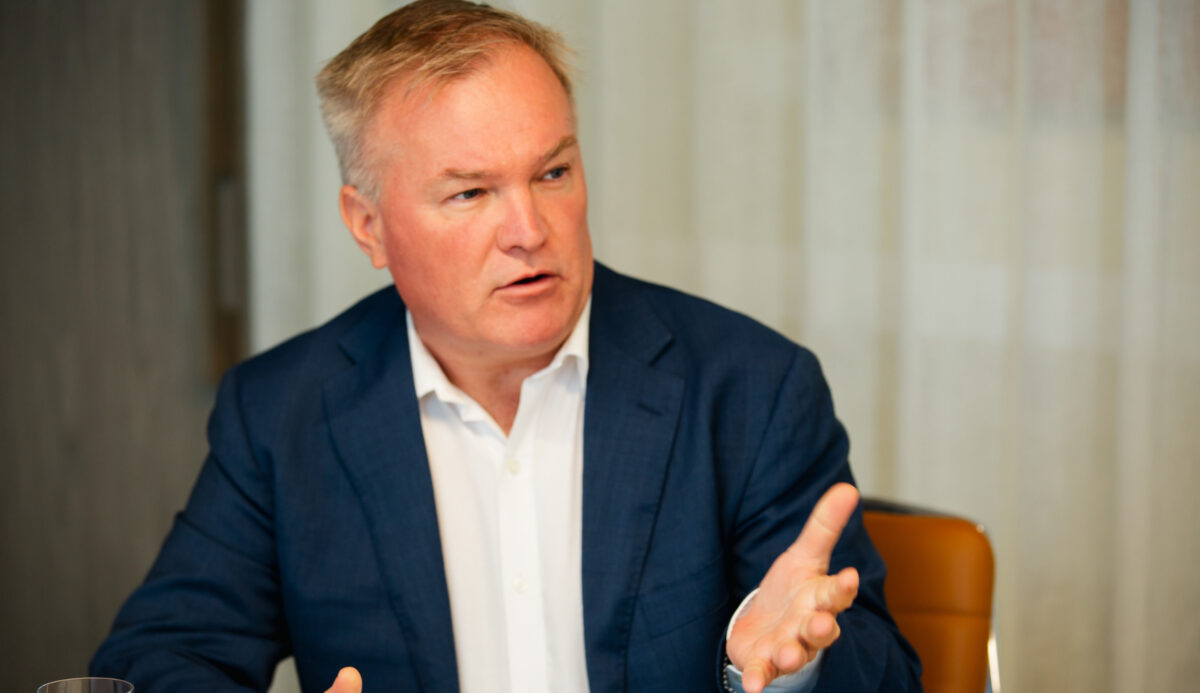
“The surprising thing for us was that we thought people were going to need to be prompted to figure out what questions they should ask, but the opposite was true,” Paul Feeney, Otivo’s founder and CEO, tells Professional Planner.
When using AI advice platforms, users may be able to either ask a question in their own words or there may be prompts available to choose from. Otivo and Borromean found that the prompts give people options they didn’t realise they might have, and open up the different topics they could be asking about.
The first question a user asked, however, wasn’t the whole question, in many cases. The report found almost half of all conversations (49 per cent) ran to three or more member turns, and touched on around three financial topics, on average.
Superannuation was the top subject asked about, in 65 per cent of the interactions, followed by investment and wealth in 49 per cent. The longer-lasting interactions, however, were on tax, and property and mortgages.
An online service makes it more accessible and less confronting as people may not be willing to explain their financial life to someone as they fear to be judged and just want to ask a question or two.
“And they build up that confidence to ask the questions they really want over time,” Feeney says.
The highest use occurs during lunch time and weekends, so this option serves to satisfy a client without the need for the financial adviser to be available at all hours.
A licensed digital platform
Otivo is a licensed digital advice platform, with the same levels of compliance as any adviser.
“All that process works behind us [the platform]. We do exactly the same things as they do to make sure the advice is compliant,” Feeney says.
He says that a lot of people ask similar question to the free available AIs, but those are not licensed and don’t know the Australian regulations.
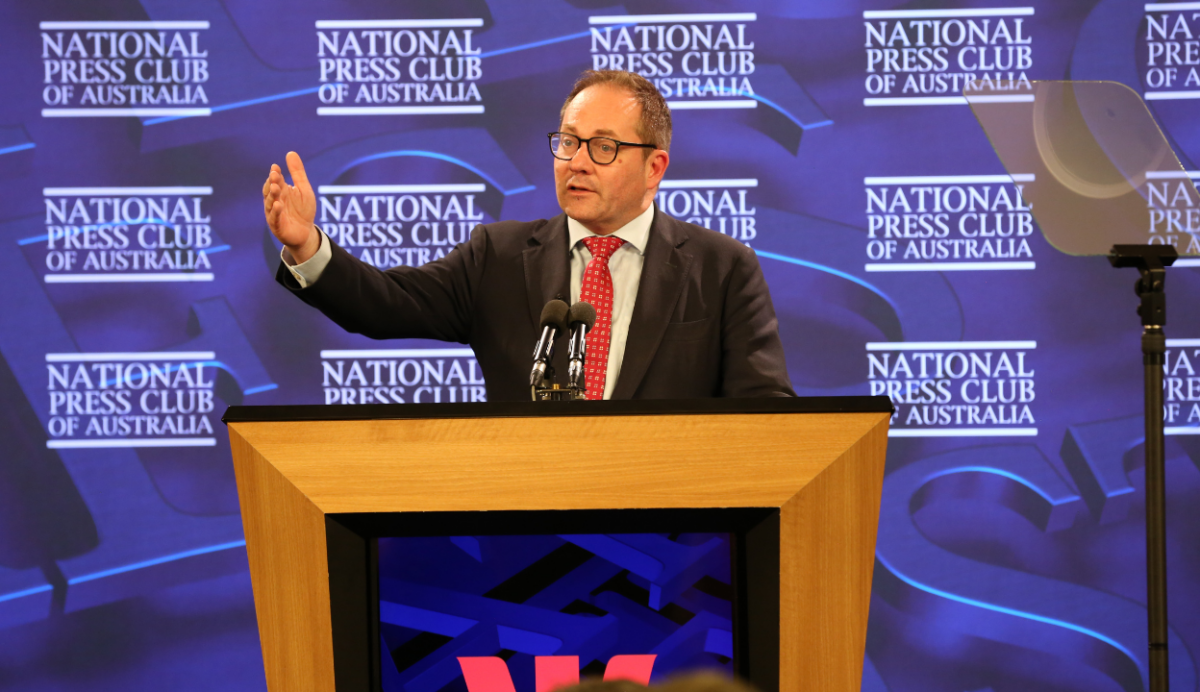
Duncan McPherson, principal at Borromean Consulting, says that in one case study included in the report a user asked whether to direct most of their super contributions to their spouse. The online conversation explained the spouse contribution offset and why, in general terms, the strategy can be worthwhile.
But when asked for a recommendation, the advice engine assessed an extra contribution strategy, including a spouse contribution, and recommended against it because the household did not hold enough liquid savings to cover three months of expenses, and locking more money into super first would leave it exposed.
“That is the difference between an unregulated AI and a regulated AI instance,” McPherson tells Professional Planner. He says an unregulated AI would go on to tell them how to do it and not consider the full context.
Feeney explains that the algorithms get checked by the regulator, KPMG and others.
“We then put over the top of that a conversational AI layer that enables individuals to have that confidence that we’ve seen to ask any question, when their data changes, it updates in our engine. The engine generates the advice, lets the AI know, and then the AI communicates it.”
“So, we’ve got those guardrails built in already, and that’s what makes it significantly different from elsewhere.”


















Leave a Comment
You must be logged in to post a comment.