


Michael Rice has cast a shadow over ASIC’s work on affordable advice and industry consultation, suggesting the rules governing the advice industry be torn up and rewritten during a panel discussion to open the final day of the SMSF Association’s national conference on Thursday.
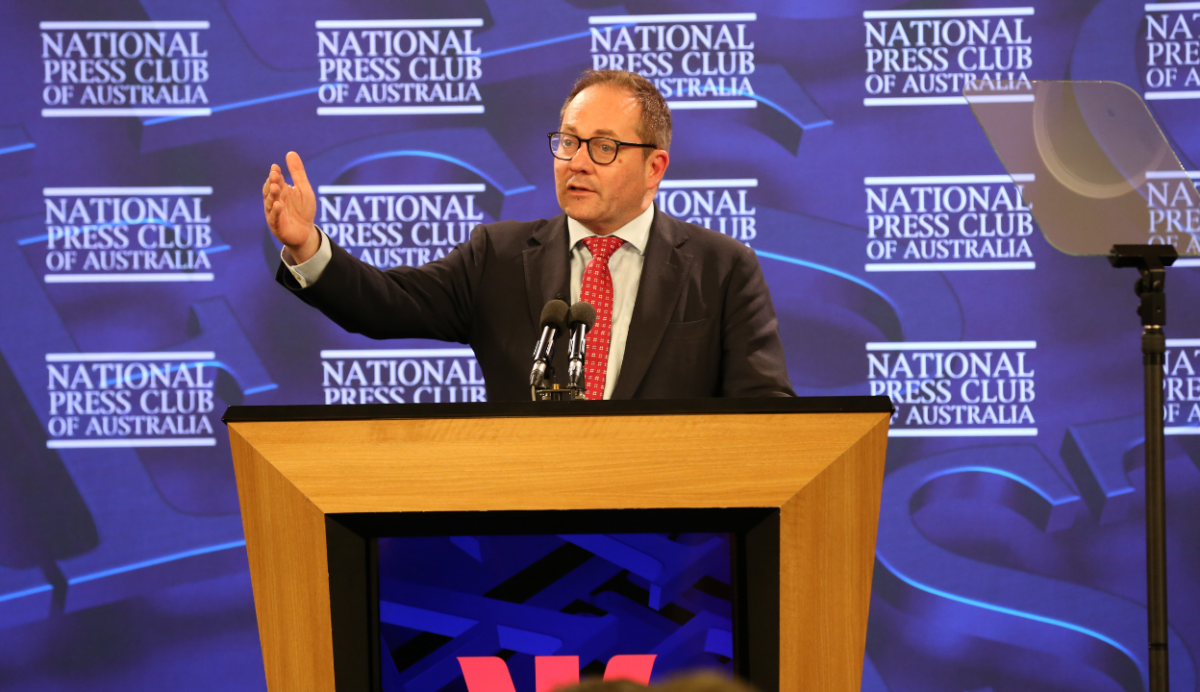
“I think we have lost the plot a bit… it’s not the fault of advisers, it’s the fact legislation has not kept up with technology and changes in thinking,” Rice (main picture, left), the executive director or consultancy Rice Warner who is also an influential voice in financial services policy.
“ASIC has released a paper which they are consulting on now, but I really think the government should change the laws,” Rice said, referencing the regulator’s consultation paper which closed for industry comment at the end of January.
“We’ve got people offering strategic advice on budgeting and savings and debt reduction and calling themselves money coaches and [they] are not licensed. But that strategic advice is quite valuable. If a financial planner had to deliver it they’d have to do an SOA and do a lot more compliance to give the same outcome, so we have got arbitrage there,” Rice pointed out.
“The Financial System Reform Act is 20 years old and it’s time to rewrite it completely,” Rice said.
Rice’s comments echo the growing chorus of views from academics, policy experts and industry participants calling on policy makers to repeal laws to facilitate advice delivery that better reflect needs of clients rather than the regulation of financial product distribution.

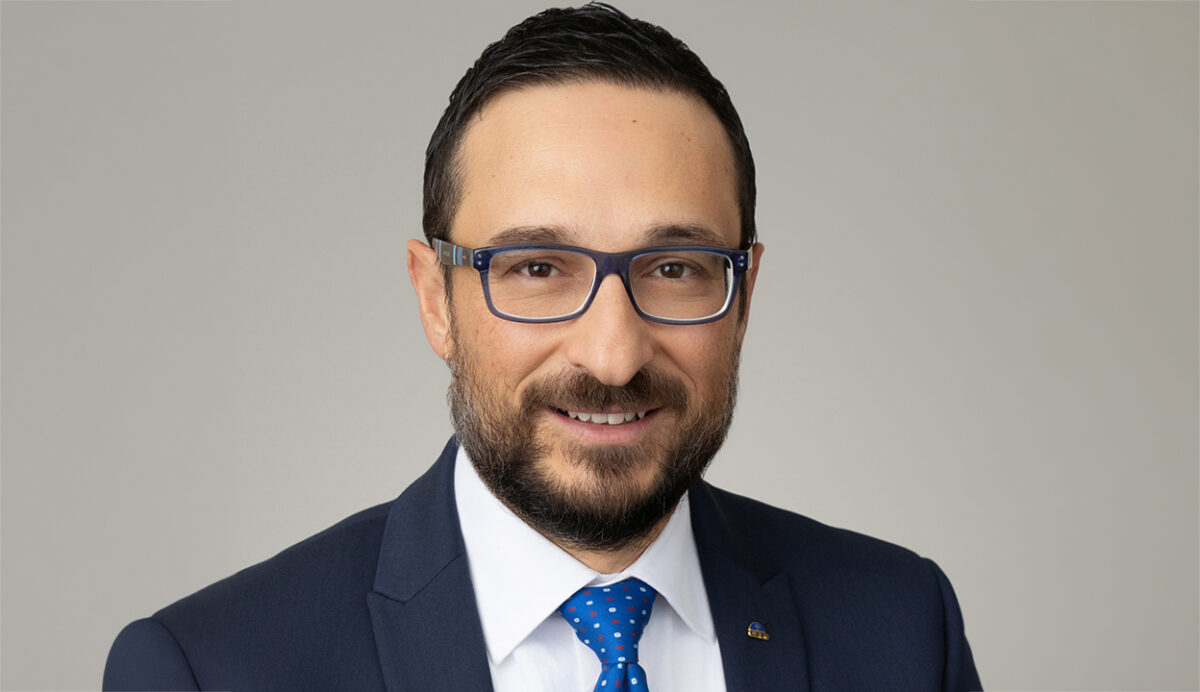
Rice and the panel – which included independent retirement consultant Amara Haqqani (main picture, right), SMSF Association CEO John Maroney and moderator, BT’s Kathy Vincent – spent most of their time during the discussion talking about the role of advice, the composition of the SMSF segment, the advice needs of the younger cohort of self-directed investors and superannuants as well as the role technology plays in advice delivery.
Regulation behind the curve
“I think we are moving away from the regulatory notion of what advice is,” Haqqani, who was until recently director of insights and strategy at consulting and technology firm Milliman, said.
Haqqani pointed to the focus by technology providers on the guidance aspect of advice.
“Many of the things that might have been face-to-face will eventually be found under the hood of something,” she said, referencing developments in machine learning and intelligent investing.
“Our regulatory regime hasn’t moved up the curve to reflect this,” she said.
Further, the SMSF Association’s Maroney pointed to the lack of flexibility in the current policy and regulatory regime preventing accountants from having “sensible discussions” guiding the strategic direction of their clients’ situations that may not necessarily be financial product advice.
“At the moment we think there are too many unnecessary restrictions, we don’t think the limited licensing framework works and that has to be replaced with something better, there has to be an enhanced role for accountants working with independent financial advisers,” he said, continuing the themes outlined in the SMSF Association’s January submission to ASIC which also called out the licensee structure.
The new frontier of advice delivery will be with Millennial clients who are now in the late 30s and early 40s age category, the panel agreed.
“The challenge for advisers is to demonstrate the value proposition to the younger group,” Haqqani said. She added that this younger and Millennial cohort naturally have trust issues with the wealth and investment sector and are inclined to want to do a lot themselves.
“It might not be pure investment, it might be what advisers do really well which is setting [clients] up for a broader advice piece and moving them away from a product style thinking [to create] a financial planning framework that works for people of that age,” she said.




















Leave a Comment
You must be logged in to post a comment.