


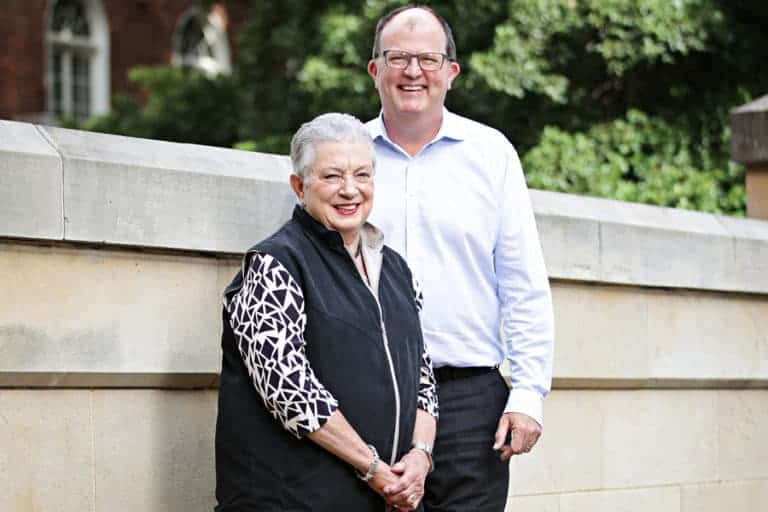
As more clients question their advisers about aged care, Assyat David, co-founder and director of Aged Care Steps, outlines the next steps and the key decisions advisers face. Depending on their business model, they can build the expertise in-house, outsource it, or partner externally, so that existing clients get the support they need.
During a FAAA webinar on Aged Care, David says advisers must look at how do they want to be involved “with the aged care decision and the aged care outcomes for your clients”.
“Do you want to be actively involved? Do you want to be able to refer the client? And, what’s the level of support that you want to provide.
“First thing to look at is understanding your business model but also understanding who within your business will do it. Is it something that all advisers will need to understand, or is there going to be a go-to person that you refer the clients onto if you decide to do it yourself in house?”
Looking at the business model
Advisers need to have a solution, says David, but they don’t have to be the expert.
The first option is when the adviser decides to outsource the aged care advice. And there are two options here which are to outsource it to an adviser within the same firm or to an external adviser.
“The difference here between those two levels is that with the outsourced advice, the advice and the responsibility for the advice, if it is outsourced externally to another adviser, is provided by that adviser under their AFSL. Where it is provided in-house, then the responsibility for that advice is still sitting with the adviser, and they’re responsible for ensuring that the advice is adequate and meets the client needs,” says David.
When it comes to implementing the advice, advisers have a few options, rather than putting the advice together themselves they can use aged care para planning, or they could use software to help them put together the advice.
“The key thing I would say is whatever you end up doing, you want to make sure that the choice that you make ensures that you are efficient in the way you put together that advice, and it also covers the full range of aged care that includes support at home, retirement villages, residential care, downsizing, all those different things.
“Making the decisions around proactively supporting clients, raising awareness, but when the client actually needs the advice, they go to the adviser themselves,” she says.
The other option is when advisers specialise in aged care advice. David says that many of these advisers become experts without planning to: they start advising existing clients, those clients spread the word and before long aged care becomes a focus of their practice.
“Even if you start at one level, you can always move up and down. So, if you start as an outsourcer, over time we’re finding a lot of those advisers who started outsourcing the advice are now deciding to do a lot more of it in house because of the volume of inquiries that they’re getting around aged care,” she says.
“Thinking about getting some competence and ensuring that you’ve got the adequate training, regardless of which area of those three levels of the business model you choose to do is a really important thing to do, and it’s only going to become more and more important for your client base.”
Build competence and confidence
According to an Aware Super survey of 2024, 95% of Australians who are under the age of 55 are concerned or extremely concerned about the costs of aged care.
David says that one of the questions she gets the most from advisers is when to discuss aged care options.
“Advisers should be talking around aged care and educating clients around aged care for clients who are as young as 40 to 50,” she says.
This provides the opportunity for advisers to be proactive in addressing concerns and misconceptions for their clients.
“We do believe that it’s still important for all advisers to create awareness and be able to have active discussions with their clients about their aged care decisions, help them understand what their options are. What are some of the key decisions they need to make, and the like.
“But that doesn’t necessarily mean that when it comes to putting together the advice, that’s something that you, as the adviser, needs to do,” she says.
Beyond competence, advisers must build confidence. Confidence may just be about having the aged care discussion with clients in the first place, and competence could be in delivering aged care advice, “depending on what you decide to do in terms of your business approach”.

















Leave a Comment
You must be logged in to post a comment.