

Women are at the centre of the most significant juncture Australian philanthropy has seen in a generation.
Australian women are expected to inherit around 65 per cent of the intergenerational wealth transfer over the next two decades, and already influence the majority of household charitable decisions in Australia.
However, most of the commentary around the wealth transfer focuses on who will receive the money, instead of where that money could go and what it could achieve.
This matters enormously for how financial advisers should frame the conversation, as philanthropy is not, at its core, a tax minimisation strategy – though the tax benefits are real and material. It is, however, an expression of identity, about how clients want to be known, and how they want their families and legacies to be shaped.
One of the most important questions an adviser can ask their client is “beyond your family, what do you want your wealth to stand for?” Opening the conversation through the lens of purpose can deepen the relationship, turning the adviser from a manager of money into a trusted family adviser.
This year, Australians channelled $250 million to eligible charities through the giving funds and foundations we support at Australian Philanthropic Services (APS), the highest annual total since we were founded in 2012. Structured giving is growing faster than general giving across the country, and a growing share of that momentum is being driven by women.
At APS, we see this daily in the families we work with. Increasingly, it is women initiating the conversation about setting up a giving fund, choosing the causes to support, and bringing other members of the family into the discussion. What strikes me most is how quickly curiosity turns into conviction once women realise how much control a structured giving approach provides over which causes they back and how long the fund lasts.
Analysis of the latest Australian Taxation Office data shows private giving funds distributed more than $914 million to charities in FY24, up 14 per cent on the year before, and now account for 22 per cent of all tax-deductible gifts received by charities nationally, even as total giving has stayed flat.
Yet fewer than half of the 28,000 Australians earning more than $1 million a year make a tax-deductible donation at all. As the wealth transfer accelerates and women take on more of the decisions about where that capital goes, closing that gap is squarely within reach.
This moment matters
There are three reasons I think this moment matters so much for women specifically.
The first is that returns compound, and so does impact. Our general investment portfolio in the APS Foundation – our public giving fund – has returned 9.9 per cent a year after fees since 2012, and 7.6 per cent a year over the past seven years. Every dollar retained and reinvested inside a giving fund is a dollar working harder for the causes it will eventually support. Women who move from ad hoc giving to a structured fund are building something that keeps giving, and keeps growing, for decades.
The second is family leadership. Almost all families we work with eventually bring their children, and often their grandchildren, into decisions about where the fund’s grants should go. A woman leading that process can help set the terms for how her family thinks about wealth, purpose and responsibility for generations to come.
The third is momentum. APS welcomed 187 new clients this past financial year, up 25 per cent on the year before, and giving fund holders in the APS Foundation lifted their distributions by 30 per cent. Growth like that feeds on itself, and every woman who steps confidently into structured giving, whether starting a giving fund with $40,000 or stewarding a foundation worth tens of millions of dollars, makes it easier for the next woman to see herself doing the same.
At a sector level, research released by She Gives earlier this year found that among Australia’s largest philanthropic foundations, women hold roughly 60 per cent of chief executive roles and close to half of chair positions, an incidence roughly six times higher than female chief executives across the ASX 300. It is a small sample, as She Gives itself notes, but it clearly indicates that women are not a minority presence waiting for a seat in Australian philanthropic leadership – and APS is an example of this, with female leaders at both executive and board level.
Why does this matter for professional advisers? A recent APS client survey found that women givers are more likely than their male counterparts to seek professional advice on how to give strategically.
And a 2026 T. Rowe Price survey of professional advisers found that 67 per cent of advisers working on charitable giving with clients experienced an increase in trust, 54 per cent saw improved client retention and 40 per cent reported better relationships with heirs.
Women are already driving family giving decisions, already leading a meaningful share of Australia’s largest foundations, and about to inherit the majority of the country’s largest-ever wealth transfer.
There’s a real opportunity for women to set the pace on what Australian philanthropy looks like for the next 30 years, and for the professional advisers who guide them to help them do so.
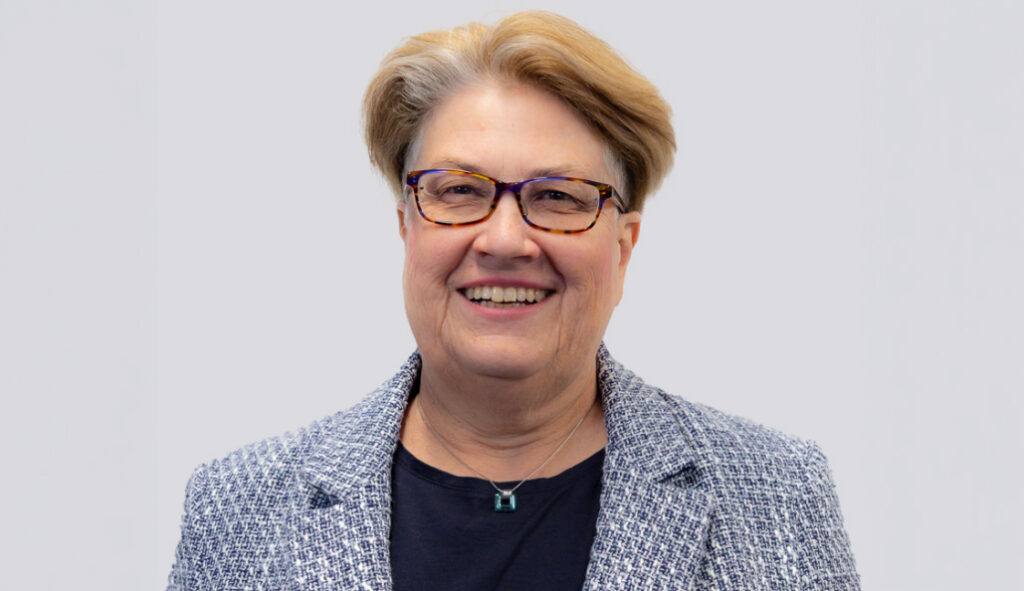
Judith Fiander is chief executive officer of the not-for-profit Australian Philanthropic Services.




Leave a Comment
You must be logged in to post a comment.