

Editor’s note: this article discusses themes of suicide, depression and mental health. If any of these topics raise concerns or issues for you, you can contact Lifeline on 13 11 14 or Beyond Blue on 1300 224 636.
Over the past 18 months, I’ve learnt more about Australia’s financial system than I ever wanted to know.
Before First Guardian collapsed, I couldn’t have told you what a managed investment scheme (MIS) was, how the Australian Financial Complaints Authority worked or why trustee due diligence was so important. Like most Australians, I assumed that if you invested your retirement savings through a licensed financial adviser, on a regulated platform and under a regulated trustee, there were safeguards in place if something went wrong.
I wasn’t looking for a lesson in financial regulation. I was simply planning for my retirement.
Instead, like thousands of others, I’ve spent the last year and a half trying to understand liquidators’ reports, Federal Court proceedings, regulatory investigations and compensation schemes. Somewhere along the way, many of us stopped talking about investment returns and started talking about justice.
One thing has become obvious throughout this journey. Confidence in the system isn’t built at the end of a court case. It is built, or lost, by everything that happens before that final outcome.
Each and every conversation I have with investors reminds me of that.
I speak to people who have postponed retirement because they simply can’t afford to stop working. I speak to grandparents who were planning to help their grandchildren through university but now wonder whether they’ll have enough to support themselves. I’ve spoken to people whose marriages have suffered under the strain, and to others who have quietly admitted they’ve thought about ending their lives because they couldn’t see a way forward. Those conversations stay with you. For most Australians, losing your retirement savings isn’t just a financial event. It changes how you see the future.
Recently, many investors, including myself, watched the Federal Court decision to return First Guardian chief investment officer Simon Selimaj’s passport, subject to conditions including providing ASIC with 14 days’ notice before overseas travel.
I’ve heard plenty of opinions about whether that decision was right or wrong, but I don’t think that’s the discussion we should be having.
Judges don’t decide cases based on public sentiment, and nor should they. Their responsibility is to apply the law to the facts before them. If Parliament hasn’t required certain matters to be considered, judges can’t simply create new legal tests because a case has attracted public attention.
That is why I believe the focus should now shift away from the court and towards Parliament.
The more I’ve reflected on what investors have lived through, the more I’ve questioned whether our legislation has kept pace with the scale of modern financial misconduct. These aren’t isolated disputes involving a handful of people. They involve hundreds of millions of dollars, thousands of investors and investigations that can continue for years while families wait for answers.
Conversations around this need to change.
For many investors, the passport was never simply about overseas travel. It became a symbol that the allegations were being treated with the seriousness they deserved while investigations continued. When that restriction was lifted, many people felt something change. Whether that feeling has legal significance isn’t really the point. Confidence in our institutions is shaped not only by legal outcomes but by whether the public believes every reasonable safeguard is being taken while those outcomes are still being determined.
Trust is incredibly difficult to rebuild once it has been broken. The investors and myself, feel these deep cracks in our daily lives.
We all should be asking whether our legislation should provide courts with clearer guidance when dealing with major financial misconduct cases. Not because every person should automatically be prevented from travelling, but because these matters are fundamentally different from an ordinary civil dispute.
If Parliament were prepared to review the law, I think there are some sensible questions worth considering. Should courts be asked to specifically consider the overall value of investor losses? Should the number of people affected be a statutory consideration? Should ongoing ASIC investigations, the prospect of future civil or criminal proceedings, and the practical impact that overseas travel may have on enforcement or recovery efforts all form part of the assessment?
Equally, should travel conditions in these types of matters be reviewed periodically while investigations remain active?
Large financial investigations evolve over time. New evidence emerges. Proceedings expand. Risks change. A decision that is appropriate today may look very different twelve months later. Periodic judicial review would allow conditions to be tightened, relaxed or removed as circumstances change, rather than treating them as a once-and-for-all decision.
Some people will argue that stronger travel restraint provisions undermine the presumption of innocence. That principle must always remain central to our legal system.
But temporary protective measures are not findings of guilt. Australian courts already freeze assets, grant injunctions and suspend financial services licences while investigations continue. Those orders exist to protect the integrity of legal processes and the public interest, not to punish. The same principle can apply to travel conditions where Parliament believes it is appropriate.
The financial services sector is rightly discussing MIS reform, trustee accountability, lead generation and improvements to the Compensation Scheme of Last Resort. I believe travel restraint laws deserve to be part of that broader conversation.
This isn’t about one individual, and it isn’t about one passport.
It’s about whether Australia’s legal framework reflects the reality of financial scandals that can devastate thousands of families at the same time.
As someone who speaks with investors every single day, I know how hard people are fighting to hold on to hope. Many have accepted that recovering their savings could take years. What they struggle to accept is the feeling that confidence in the system continues to erode while they wait.
Parliament cannot change what has already happened. Nor should it interfere with decisions made by independent courts.
What it can do is ask whether our laws still strike the right balance between individual rights and protecting the integrity of major financial misconduct investigations.
After everything investors have endured over the past two years, I believe that is a conversation worth having.
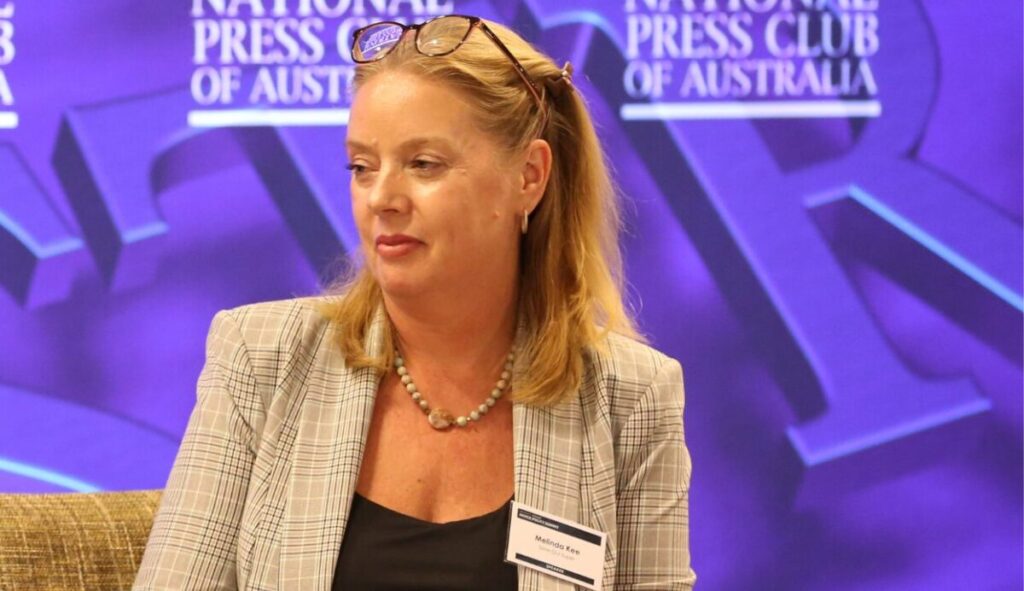
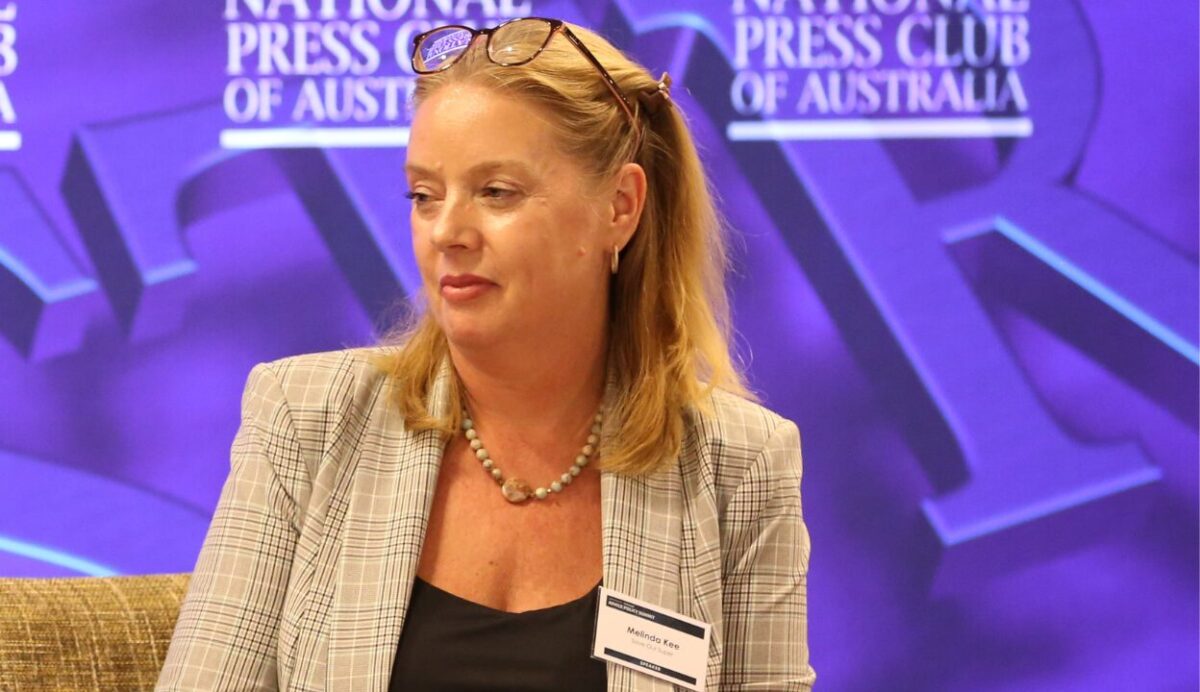
Melinda Kee is a First Guardian investor and now leads SOS Save Our Super which is advocating for the restoration of the retirement savings of the roughly 12,000 Australians caught up in the collapsed Shield and First Guardian funds.















Leave a Comment
You must be logged in to post a comment.