


The ALRC is considering taking the consumer-based obligations out of Chapter 7 of the Corporations Act, which could in turn allow for separate licensing rules for financial services professionals such as financial advisers and stockbrokers.
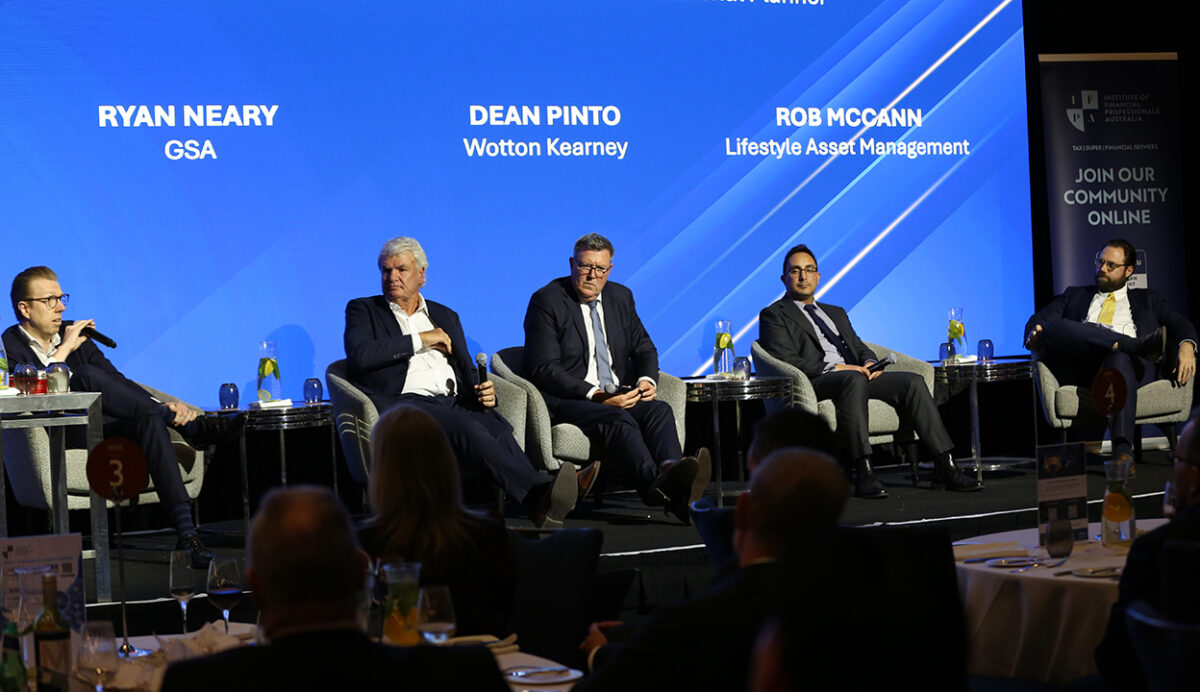
Speaking on the opening panel of Professional Planner‘s Licensee Summit in Katoomba this week, ALRC president Hon. Justice Sarah Derrington said that while the commission is still looking at lifting Chapter 7 from the Corporations Act it’s also entertaining a more nuanced option.
“We are now contemplating what we’ve called the ‘rulebook model’,” the judge told delegates, “which will enable us to really delineate the consumer-based obligations that are in Chapter 7 within its own particular rulebook, much as we do with market integrity rules.”
“There could be separate rules for stockbrokers,” she continued. “There could be separate rules for financial advisers.”
The ALRC first revealed it was looking at removing Chapter 7 from the Corporations Act in May last year, when commissioner and federal court judge Hon. Justice John Middleton said the idea of turning it into a separate statute was “on the table“.
Different models
The ALRC’s first interim report castigated the Corporations Act – and in particular Chapter 7 – for its complexity and lack of navigability.
The Act has doubled in size from 400,000 to 800,000 words since its inception in 2001. Chapter 7 alone, which regulates financial services, would be the 11th largest Act of parliament if it stood on its own.
Lifting Chapter 7 out of the Corporations Act would provide a clear line of demarcation between the consumer protections within it, Justice Derrington explained, and the rules about running a company that exist in the rest of the Act.
It’s a path that’s still being considered, she told delegates in Katoomba.
“That’s one option, but I don’t think it’s fair to say that that’s my vision and my only vision. I think we’ve moved on from that initial thought, that Chapter 7 should be removed holus bolus.
“We are looking at a different model that might obviate the need to remove Chapter 7 as a whole, but will nevertheless have the same effect and consequences, we hope, of simply producing a standalone statute.”
Advice in focus
In reviewing the Act, the ALRC has made it clear that the financial advice industry is forefront in its thinking.
Asked whether either option being considered by the ALRC – removing Chapter 7 or taking a ‘rulebook approach’– might prompt a rethink of whether the AFSL system is fit for purpose, which in turn could be a catalyst for a move towards individual licensing for advisers, the judge said that was a policy question “beyond our remit”.
The commission’s job now, she explained, was to improve the architecture of the Act within the current AFSL framework while keeping in mind that it doesn’t have the ability to change the law itself.
“So we have to assume that the AFSL system is fit for purpose whilst designing a system that nevertheless makes it easy for financial advisers to do what they do and give advice within the ambit of the obligations that the law requires.”
Conscious of cost
Part of the reason the ALRC is considering several approaches to the review is that it is acutely aware of the associated costs involved in making drastic changes to the shape of financial services regulation.
Removing Chapter 7 is “not off the table by any stretch of the imagination”, the judge said, and won’t be resolved until the commission’s final interim report is delivered in late 2023.
“In terms of thinking about how much pain the industry and government can bear, we’ve got to be mindful that there’s a spectrum,” she continued. “What we’re conscious of is that any of the reforms that we recommend are going to have to be staged. They are going to have to be implemented over arguably, I would think… not less than a decade.
“We are mindful of the cost that there will be for Treasury, first of all, in doing whatever drafting amendments that we suggest. We’re also exceptionally conscious of the path dependency of the industry and in not causing excessive costs.”


















Leave a Comment
You must be logged in to post a comment.