


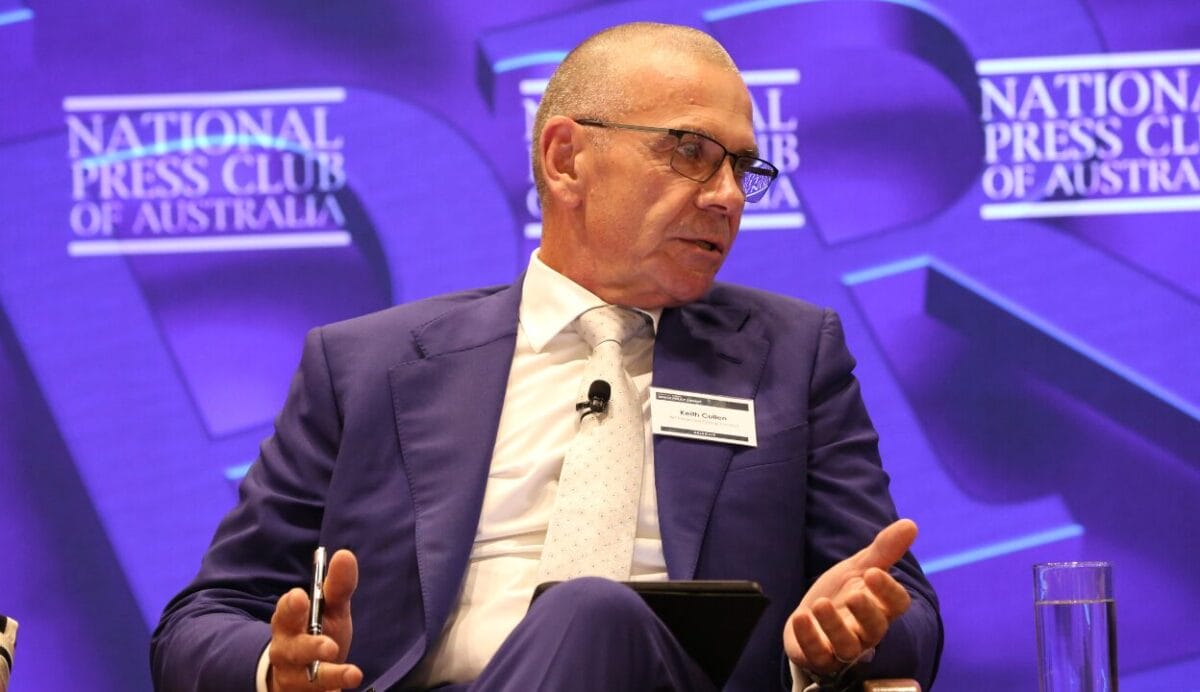
The departure of Garry Crole from Sequoia leaves behind a tarnished ASX-listed company and a profession that will undergo another round of regulatory reform.
Sequoia disclosed to the ASX on Wednesday morning that Crole has officially resigned as group chief executive and as director of the company and its subsidiaries.
The ASX announcement said Crole had advised the board that he considers the decision to be in the best interests of the company and its stakeholders. However, he will remain as a substantial shareholder.
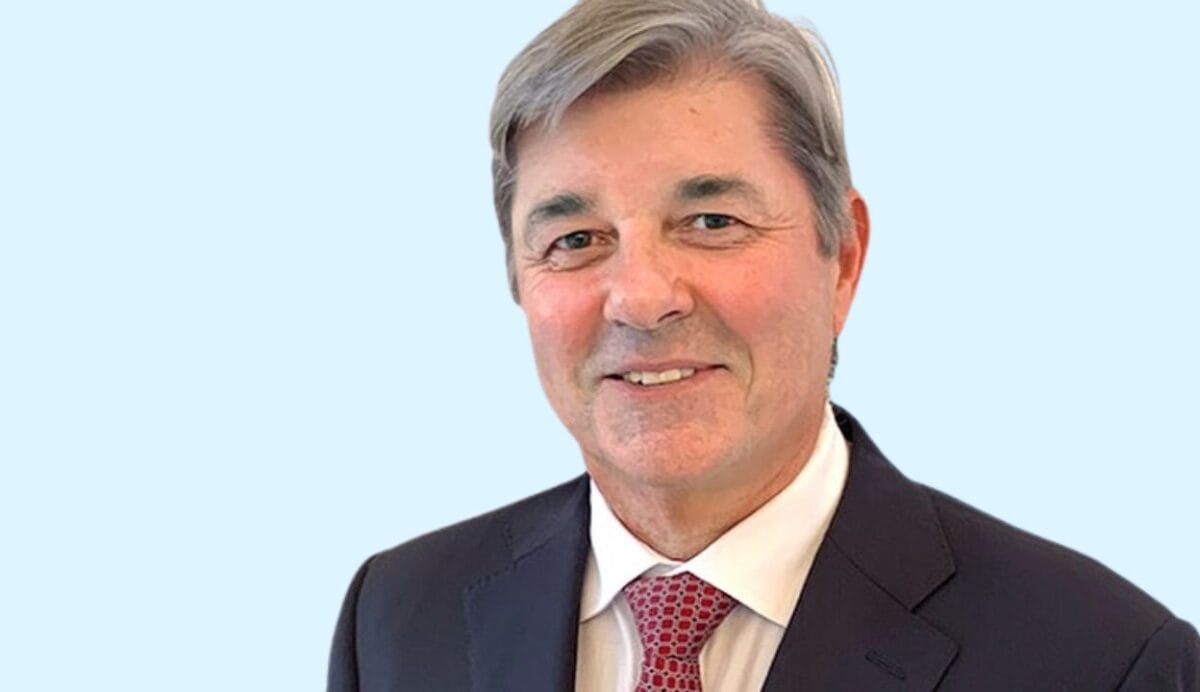
Head of corporate finance Alex Fabbri has been appointed as interim CEO and the company will undertake a “comprehensive search” for a permanent appointee, as well as a new chair.
Fabbri has 40 years of experience working with listed companies as an adviser across financial markets, wealth management and corporate finance. He joined Sequoia in 2019 and has been a member of the group’s executive leadership team.
Crole had some defenders in the industry, notably the Association of Independently Owned Financial Professionals where he was formerly a board member, but several major licensee executives speaking to Professional Planner had described their displeasure with his conduct and InterPrac is one of the few licensees that isn’t a member of the Licensee Leadership Forum.
The collapse has also led to the super wars being reignited as the industry fund movement pushes for heavier regulation on the retail fund and platform sector.
While observers will be quick to point to the fallout of Shield and First Guardian as the catalyst for his departure, in July 2024 the group disclosed to the ASX that Crole accepted a fixed-term contract that would run until June 2026, along with a focus over the period to find a successor for the role whom Crole would mentor.
The new deal came just after an attempt to oust Crole in the first half of 2024 and an extraordinary general meeting held on 5 June that failed to pass any motion to remove Crole as a director of the company.
Regardless of whether Crole’s departure is sticking to the original plan or a hasty exit in the face of insurmountable corporate issues, the tail-end of his tenure saw the decline of the InterPrac licensee in the aftermath of the $1 billion Shield and First Guardian collapse.
The company’s share price has dropped 79 per cent over the past five years to 12 cents a share.
While several smaller licensees have been implicated in the scandal and have since had their licences cancelled by ASIC, the regulator has alleged that two InterPrac licensed advisers, Ferras Merhi and Rhys Reilly, were largely behind the majority of the distribution of the funds.
Reilly has been banned for a decade by the corporate regulator, while Merhi has been taken to court, though he has recently had his travel ban lifted.
ASIC has alleged in court documents that Crole was more than aware of the business model being run, and that the company failed to step in when misconduct became apparent while providing template responses that dismissed legitimate complaints.
Potential mounting liabilities from enforcement action by ASIC, hundreds of millions worth of impending determinations from AFCA – which InterPrac is suing – and a blacklist of its authorised representatives by most major platforms have made the licensee commercially unviable.
But rather than shutting down the licensee directly and placing it in voluntary administration, which it has done in the past, Sequoia attempted to sell the business to Conquest Investment Partners for $50,000.
But the announcement of the sale created another embarrassment for the company, after Crole accused Professional Planner earlier this year of breaching an embargo about the sale of InterPrac to Conquest after the ASX inquired about a potential breach of market disclosure rules.
Crole quickly apologised, but the debacle made its way to the back page of the Australian Financial Review, in its Rear Window column.
The InterPrac sale failed after the regulator intervened due to concerns that the sale could remove the guarantee of InterPrac’s debts upon completion of the sale to Conquest, which were held via a cross-guarantee the company previously tried to unwind.
Advisers were given a lifeline elsewhere, with Avalon FS offering a pathway for InterPrac advisers during the proposed InterPrac sale, but industry tracking of adviser movements has shown advisers have moved to a diverse range of licensees.
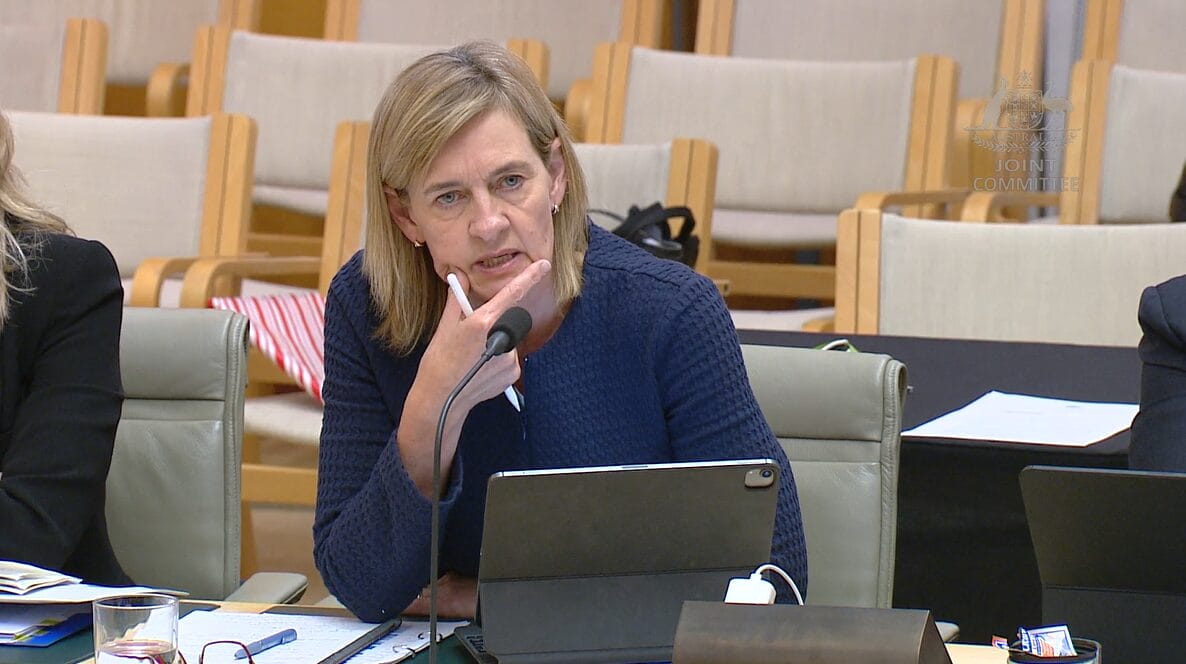
Attempts to improve the business have achieved nothing; former ASIC Commissioner Danielle Press, who was enlisted by the company to lead a governance committee, departed after just seven months.
It’s understood by Professional Planner that Press joined in a genuine effort to lift standards but became disillusioned with the company’s direction and was unhappy with the group’s interactions with ASIC and AFCA.
The company’s chair, Mike Ryan, resigned in March. Non-executive director David Hentschke has been appointed interim chair and chief people officer Floriane Allard has been appointed director.
But what has made the scandal significant for financial advice isn’t just the implosion of the licensee or its parent company, but the impact it has had on policy reform.
The advice industry was required to undergo a transition with the introduction of professional standards, and the impact of the Hayne royal commission added another layer of regulatory red tape that, along with thedecline of financial adviser numbers, has driven up the cost of advice.
The royal commission final report recommended a review into the affordability and accessibility of financial advice, which became the Quality of Advice Review.
The policy recommendations of that review were turned into the Delivering Better Financial Outcomes reforms, albeit modified to adjust to the policies of a party that came into power only months after the review lead and terms of reference were appointed by the former government.
But that process – which has only seen part of the promised legislation passed – halted after the Shield and First Guardian collapse became a mainstream issue, putting the government on the backfoot and making it impossible to justify loosening the law.
Minister for Financial Services Daniel Mulino said on Tuesday that the policy response to the Shield and First Guardian collapse will be revealed next month, with the minister uncommitted to any timeframes on the rest of DBFO.











Leave a Comment
You must be logged in to post a comment.