


The obligation of “good advice” would replace best interests duty, according to one of the many proposals by the Quality of Advice review lead Michelle Levy.
Treasury released for consultation Levy’s interim report on Tuesday afternoon which outlines her first proposals since commencing as advice review lead.
“The financial services regime should require a person who provides personal advice to provide ‘good advice’,” Levy stated in the report. “’Good advice’ is advice that would be reasonably likely to benefit the client, having regard to the information that is available to the provider at the time the advice is provided.”
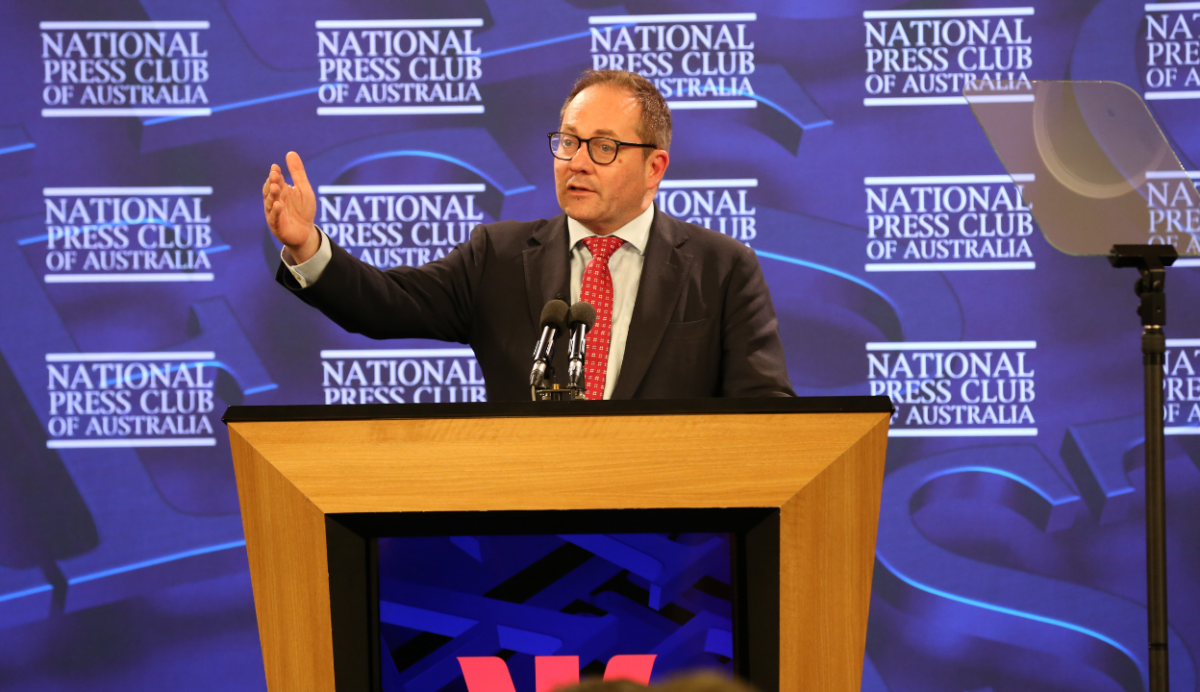
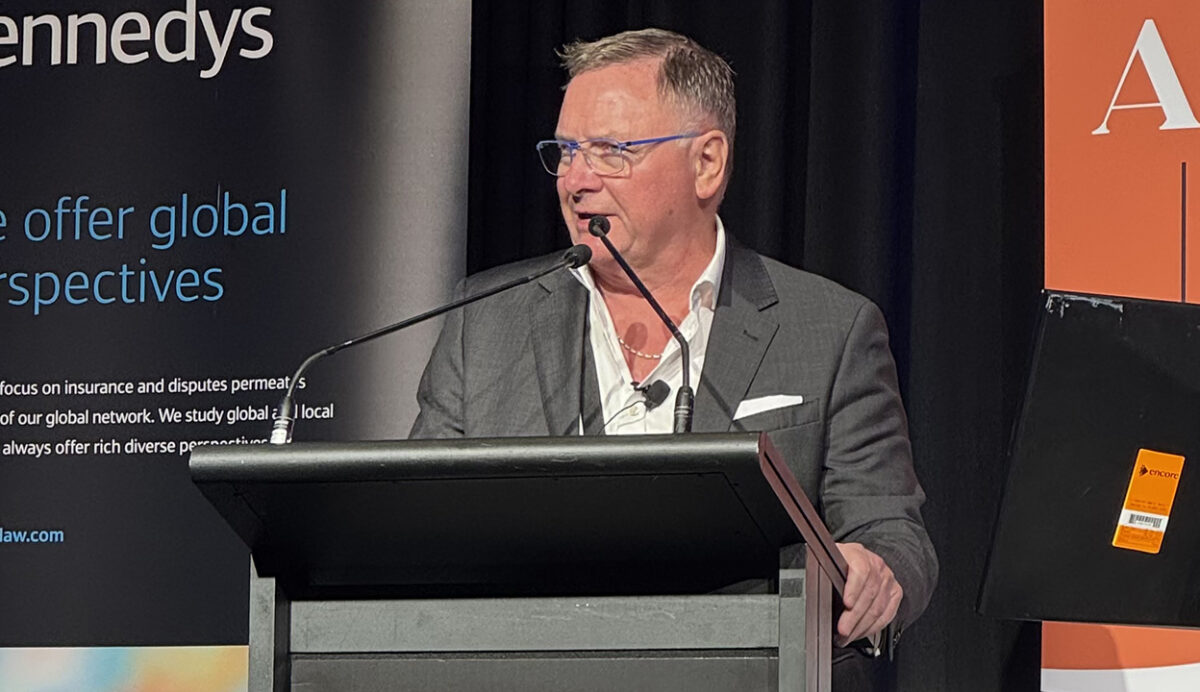
In one of her first public appearances since taking the job, Levy noted at the Professional Planner Licensee Summit the industry’s “considerable fear” of non-compliance.
Levy will present her in depth findings during a webinar hosted by Professional Planner in partnership with AMP on Wednesday, 7 September.
“A duty to give good advice does place a different kind of responsibility on providers than laws which prescribe process,” Levy’s proposals continued. “It also creates the opportunity to remove many of the regulatory requirements relating to disclosure and some relating to conduct.”
Levy added this will allow providers to decide what they need to do to ensure their advice is in fact “good advice” and relieve providers of unnecessary obligations which she hopes will improve innovation in the industry.
“In my view this would encourage better quality advice and provide consumers and advisers with a clear statement of what they can expect and what they are required to do.”
Levy said she comfortably believes a principles-based regulatory regime will be more effective.
“My answer to that question is ‘yes’ if that expression means fewer defined terms, less prescription and more flexibility so that what is required by the law adjusts to the circumstances. I do not think it follows that principles-based law is more uncertain. Few people say that the laws prohibiting misleading or deceptive conduct are unclear.”
Personal advice, but not general advice should be regulated by the financial services regime according to Levy. However personal advice should be made broader, so it clearly applies whenever a recommendation about a product is made “… and, at the time the advice is provided, the provider has or holds information about the client’s objectives, needs or any aspect of their financial situation”, the report stated.
General advice has not been forgotten and Levy stated it should continue to be subject to general consumer protections.
Although best interests duty has been recommended for removal, safe harbour steps will stay in place.
Less to disclose
While eliminating best interests duty might be a massive win for advisers, Levy has also suggested changes that would simplify the disclosure process.
Advice providers would be required to only obtain written consent from their clients to deduct ongoing advice fees from a product once a year and a single consent form would be able to cover each of the products issued from a product issuer.
Instead of Statements of Advice and Records of Advice, providers should be able to determine what advice best suits their client, as long they maintain a written record of the advice they provide which can be provided upon request.
The removal of Design and Distribution Obligations wasn’t recommended, but Levy stated it should be simplified to be required to only report a complaint to the product issuer.
However, she has recommended static information used for every client, like financial services guide, remuneration information, internal dispute resolution producers and the AFCA process should continue to be presented to clients.
Super advice
A potential showdown between Levy and financial minister Stephen Jones could happen down the track, with Levy being quite open to expanding intra-fund advice despite the minister being explicit that he has rebuffed calls from super funds to relax rules surrounding it.
Jones was explicit he did not want to see vertical integration creep into superannuation and Levy’s recommendations may not give complete leeway.
Levy recommended super fund trustees should be able to provide personal advice to their members about their interests in the fund, including when they are transitioning to retirement.
“In doing so, trustees would be required to take into account the member’s personal circumstances, including their family situation and social security entitlements if that is relevant to the provision of the advice.”
Additionally, they should have the flexibility to decide how much they want to charge for personal advice and restrictions on elective charging of fees should be removed.
“Superannuation trustees should be able to pay a fee from a member’s superannuation account to an adviser for personal advice provided to the member about the member’s interest in the fund on the direction of the member.”
The consultation will close on 23 September 2022.




















Leave a Comment
You must be logged in to post a comment.