

The Financial Services Council welcomes the Grattan Report on superannuation released today.
Superannuation fees are higher than they should be. Reforms to both governance and structure of the default superannuation system are needed to drive competition, create larger super funds and reduce duplicate super accounts.
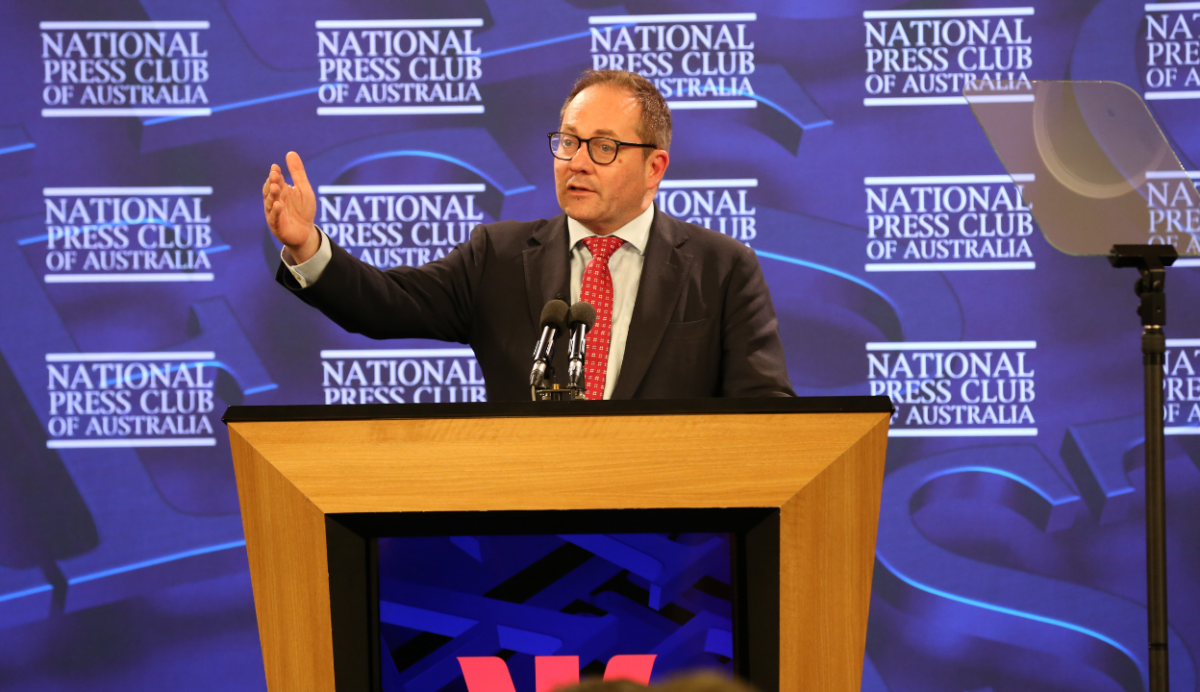
FSC CEO Sally Loane said: “We have always supported open market competition in the default superannuation sector. More competition will deliver lower fees and increase efficiency.”
“Both Grattan and David Murray’s Financial System Inquiry have proposed opening the default super system to competition − we encourage the Parliament to support reform in this sector.”
Superannuation fees are artificially inflated due to the heavy restraints on competition in the default sector.
This is because the Fair Work Commission (FWC) selection process prevents some of the cheapest MySuper default funds from the market.
The current process for default superannuation creates unnecessary duplication and cost because it requires MySuper products to go through three gates – firstly, to be approved by APRA, secondly to be accepted for default listing by the FWC Expert Panel, and thirdly to be chosen from the list by the FWC Full Bench.
The FWC process is also anti-competitive because it favours incumbent award default funds. It does this by restricting the right to make submissions for selection in awards to those organisations which own industry funds – the unions and employer organisations. The vast majority of non-industry funds are locked out of the process.
The FSC has always stated that the default superannuation process should be decoupled from the industrial relations system.
“APRA already has robust processes in place for approving MySuper products which makes the FWC process redundant,” Ms Loane said.
“Under the current system, retail funds cannot compete, despite being cheaper.”
For example, the average retail passive MySuper fee is 0.88%, whereas the average industry fund fee is 0.94%.
Scale of superannuation funds is another important driver of cost and fees. Many sub-scale funds with high fees and poor performance are surviving because their boards cannot agree on merger terms.
Independent directors will force superannuation funds to merge when it is the best interests of members.
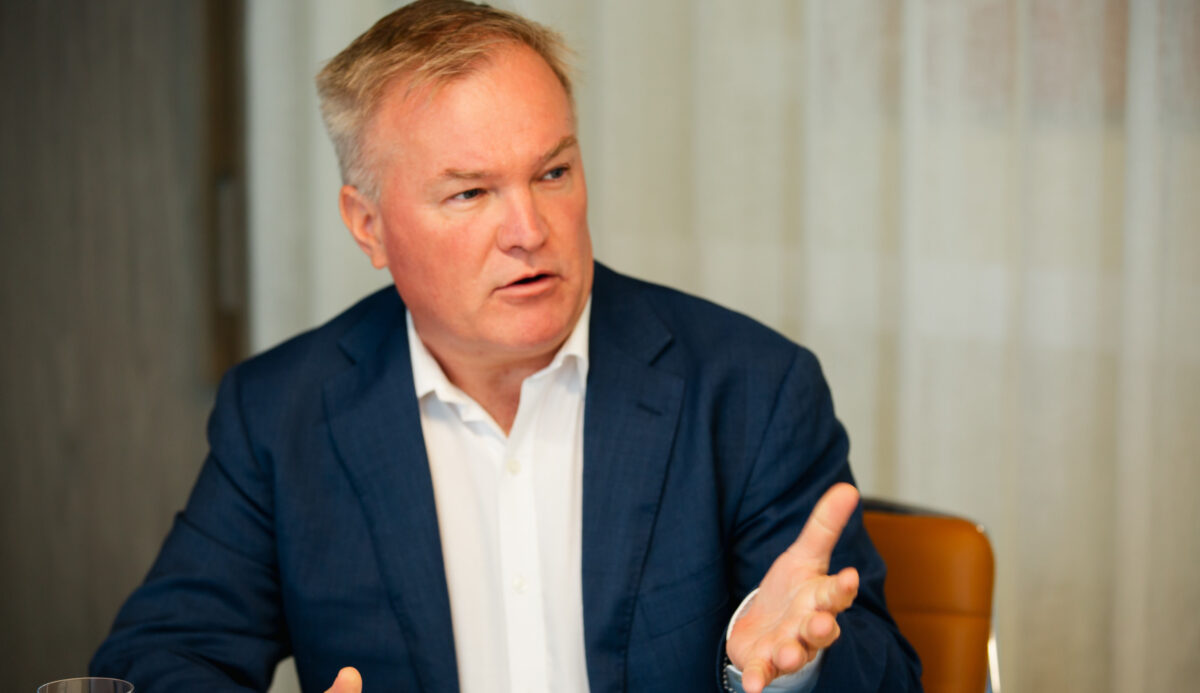
Ms Loane also said “Better governance for industry funds − independent directors on boards – will drive efficiency through consolidation and mergers of the small underperforming funds.”


















Leave a Comment
You must be logged in to post a comment.