

Core plus satellite
If the client’s objective is to match the Australian equities market index (index returns), such as the S&P/ASX 300, then in most cases the investor would place 100 per cent of their money in an Australian ETF or Australian index fund that replicates the S&P/ASX 300 (core) and no money in satellites. If the investor’s objective is to outperform the Australian equities market (index plus active returns) then the client will need to add satellites and reduce the core component of the portfolio to dial up the return and risk profile of the portfolio.
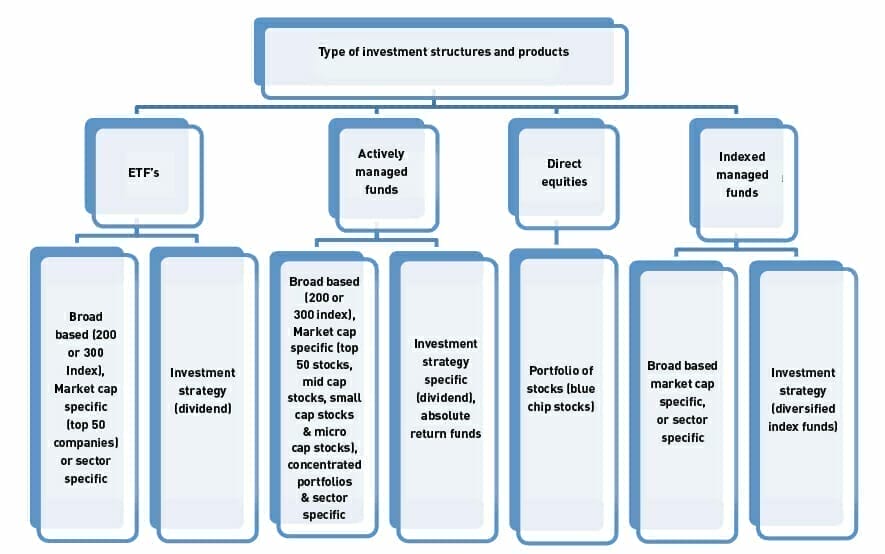
The client will need to invest in active managers and/or non-broad based ETFs with higher risk profiles. This will typically include investment products such as small companies, concentrated funds (which typically hold no more than 30 stocks) micro caps, and market-cap and sector-specific ETFs.
A cash bucket strategy
The weightings of the investment products, such as ETFs, in the portfolio will vary depending on the amount of income that needs to be provided by the portfolio. To some extent, the client’s essential income needs may be met by other sources such as social security benefits, income from annuities and “ordinary money” fixed rate investments. This means that a smaller amount of funds need to be placed in the cash bucket. ETFs will typically form part of the discretionary component of the income portfolio and their weighting will be partly a function of the yield provided by the ETFs and the client’s required discretionary income needs.
 Gavin Shepherd is an investment analyst at Strategy Steps – www.strategysteps.com.au








Leave a Comment
You must be logged in to post a comment.