
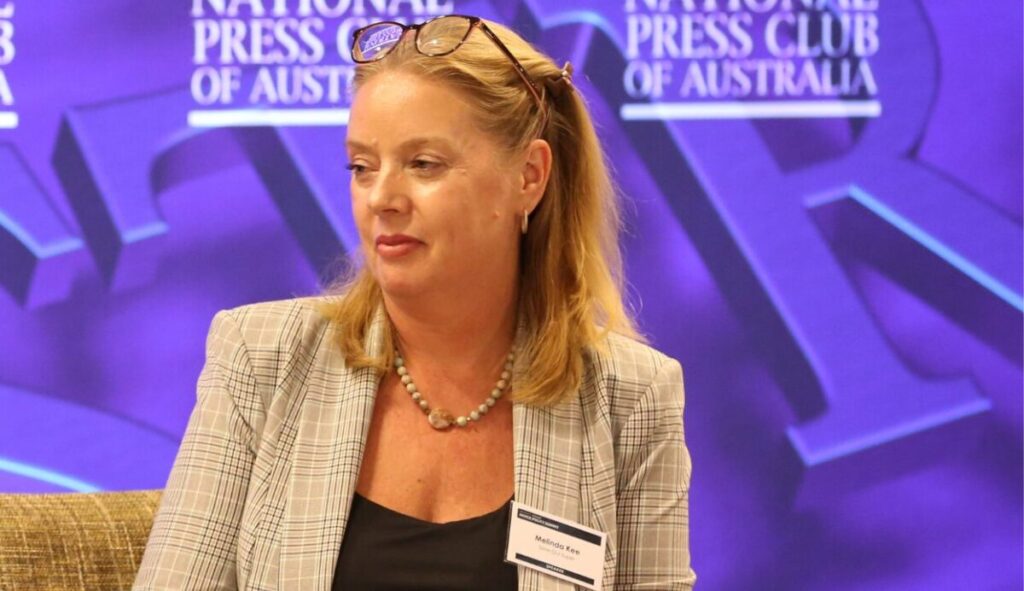

The head of a Shield and First Guardian investors advocacy group has warned that investors are still getting contacted by lead generators, warning that more regulatory oversight is needed.
In a submission to the government’s consultation on lead generation in financial services, SOS Save Our Super’s Melinda Kee said that many of the members in the group have been cold called by an unrelated financial firm who admitted they purchased consumer data from a marketing firm.
Included in that data set was the names, phone numbers, email addresses and birth dates that were entered into a “super health check”.
“This example highlights why it is critical to extend anti-hawking requirements to stop this type of abuse of the current system,” she said.
The submission said each time a lead generator collects consumer data, the adviser or their licensee who commissioned that activity should remain fully responsible for the conduct of the lead generator and the handling of that consumer data.
“That data should not be reused, passed on, recycled, or sold into additional sales pipelines without the consumer’s clear, active and informed consent,” she said. “Silence or failure to respond must not be treated as consent.”
The submission said consumers should be required to separately confirm who is contacting them, which adviser or licensee will receive their information, the commercial purpose of the interaction, whether their data may be shared with third parties, and that they are under no obligation to proceed.
“This protects consumers from having their data recycled through multiple sales pipelines without their knowledge, such as what is currently occurring to First Guardian and Shield victims. It also gives advisers confidence that the leads they receive are current, lawful, and genuinely intended for them,” she said.
The submission also recommended there be mandatory upfront disclosure of the caller’s identity, the commercial purpose of the call, any fees or benefits the caller stands to earn, and the consumer’s right to end the contact immediately would represent a material improvement.
The fallout of the Hayne royal commission final report saw the introduction of anti-hawking laws to prevent the unsolicited sale of financial products, but a gap in the law exempts the unsolicited sale of a financial service, including financial advice.
It was through this loophole that lead generators could operate as they enticed investors to commence an advice relationship.
ASIC has released – and since updated – a list of known financial services lead generators along with the licensees that have used them. The list was designed to warn consumers about the companies, but inclusion onto the list didn’t mean any of the firms involved have contravened the law.
Super Members Council and Super Consumers Australia have been highly critical of the loophole, calling for outright bans.
The SMC has argued for “targeted carve‑outs for safe, legitimate education and communication activities” to protect “legitimate” member communication.
Former ASIC chair Joe Longo called for the end of unlicensed communications about superannuation, including from lead generators.
The Council of Australian Life Insurers called for life insurance, arguing the potential for damage isn’t as significant as in investment advice.
However, industry participants including the FAAA said there should be some allowance for financial advisers to market their services.
In the submission, Kee agreed that the impact on genuine financial advisers serving new clients would need to be managed.
“Financial advisers who acquire clients through genuine referral networks, inbound enquiries, or existing professional relationships would not be materially affected,” Kee said.
“The primary impact would be on advisers who rely on cold-called consumer lists generated by third-party lead generators, and this is precisely the conduct that reform should target.”
The consultation on lead generators was one of three simultaneously run by the government, which is also reviewing the regulatory obligations of platform trustees and the financial sustainability of the Compensation Scheme of Last Resort.
The consultations were launched in response to the failed Shield and First Guardian managed investment schemes (MISs), and the government is also consulting on the regulatory oversight of MISs.
The government has since allocated funding for ASIC for better monitoring of MISs.
ASIC acted against the Shield and First Guardian funds over concerns that investor money was being misused on high-risk investments, pet projects of directors and personal expenses, and court proceedings against both funds are ongoing.
Investments in Shield and First Guardian grew due to a sophisticated network of lead generators that contacted people who used online “superannuation health check” advertisements and applied high-pressure sales tactics to refer them to financial advisers.
ASIC has also acted against advisers and licensees allegedly responsible for distributing the funds but has also been critical of the “gatekeepers” as enforcement action has been taken against the four trustees that onboarded the funds (Netwealth, Macquarie, Equity Trustees and Diversa Trustees) and SQM Research.
















Leave a Comment
You must be logged in to post a comment.