

IRESS has agreed to acquire personal finance content provider, Innergi.
Innergi is an established Australian-based business that enables financial advice practices and superannuation funds to better engage with their clients and members with timely and relevant content and digital delivery platform.
Innergi was co-founded in 2005 by managing director Robert Skinner. As part of the transaction, Mr Skinner and the Innergi team will join IRESS from 1 July where Mr Skinner will be responsible for the production and integration of content delivery into IRESS’ wealth management solutions.
The content and advice tools will provide a cost-effective solution to advisers looking to extend their services to clients. A number of Innergi’s clients are also existing IRESS clients who use XPLAN. Integrated Innergi content will be available in XPLAN from August.
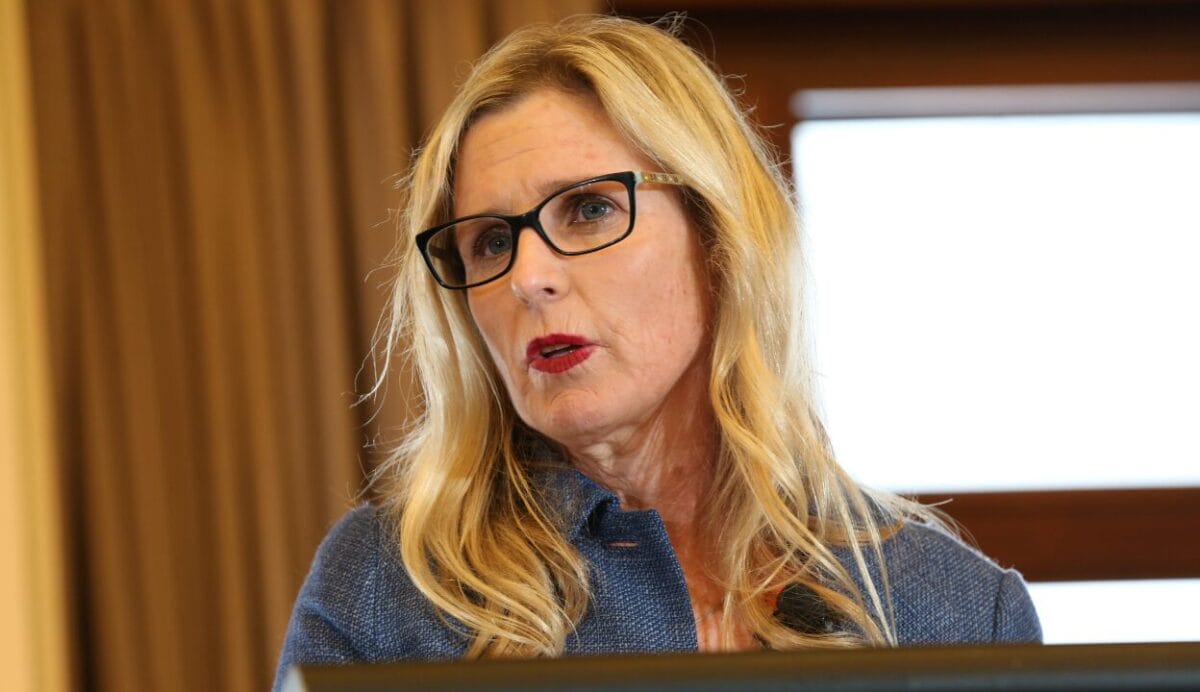
IRESS Managing Director, Wealth Management, Australia & New Zealand, Tizzy Vigilante, said IRESS sees the demand for financial content continuing to grow.
“There has been a significant increase in demand from advisers for new ways to engage with their clients, particularly digitally. Tools such as those provided by Innergi allow advisers to engage meaningfully with clients face-to-face and online.
“Areas such as scaled and guided advice are also growing and provide further opportunities for use of this content. We are excited about this opportunity to combine XPLAN and Innergi’s content to further strengthen our offer to clients.”
Financial details of the transaction were not disclosed. The acquisition will complete on 1 July 2015.








Leave a Comment
You must be logged in to post a comment.