
Sequoia Financial Group is looking at potential options including selling InterPrac Financial Planning, as it believes the platform backlists it faces have made running the licensee unviable.
ASX-listed Sequoia disclosed to the market on Tuesday afternoon that in light of the platform pushback against its advisers, it was assessing the “most appropriate long-term structure” for the business and its advisers as part of a strategic review of the under-fire licensee.
“As part of this process, Sequoia is considering a range of strategic options for InterPrac, which may include continued operation under revised arrangements, the transition of authorised representatives to alternative licensing structures, or the potential sale of the InterPrac business or its shares,” the company said.
“The company confirms that it is currently engaged in advanced discussions with a third party regarding a possible transaction involving InterPrac. These discussions remain incomplete and there can be no certainty that a transaction will be agreed or completed.”
When asked by Professional Planner about the impact any option could have on payment of ASIC fines or AFCA determinations, Sequoia declined to comment.
More than 100 advisers have left the InterPrac licensee in the past year, according to data from Adviser Ratings.
The advice profession has been concerned about the impact a closure of InterPrac could have on AFCA determinations; if determinations against the licensee go unpaid they would fall to the under-pressure Compensation Scheme of Last Resort.
Macquarie and Netwealth banned new business from InterPrac advisers last year due to the fallout of the $1 billion Shield and First Guardian collapse.
Platforms that weren’t caught up in the collapse also banned new business from InterPrac advisers. BT, AMP and CFS announced restrictions on InterPrac advisers earlier this year, while HUB24 ended new business from InterPrac advisers.
Insignia Financial is the only major platform to not act against InterPrac advisers, but it is understood it has full trust in the governance processes it has in place to monitor advisers.
Macquarie hosted Shield, while Netwealth hosted First Guardian, and both organisations settled with ASIC to remediate clients by purchasing their investments and remediating them to their initial investment positions.
Macquarie was the first to agree to do so, with the understanding that the platform business would recoup 70 per cent of its outlay from liquidators. Netwealth, however, would likely receive significantly less as liquidators have only recovered $1.6 million with final recovery estimates expected to be low.
The regulator has taken InterPrac to court with the goal of closing the licensee, alleging it not only failed in its oversight of its advisers but benefited from increased revenue, and failed to address unusual revenue spikes from advisers that were recommending Shield and First Guardian.
Ferras Merhi, who was an authorised representative of InterPrac, is considered by ASIC to be a central figure in the distribution of the funds and has been taken to court by the regulator over allegations he received money from the funds to help market them through lead generators.
ASIC has alleged Merhi distributed 6000 Statements of Advice under his name within a three-year period.
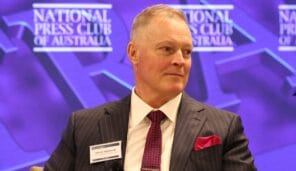
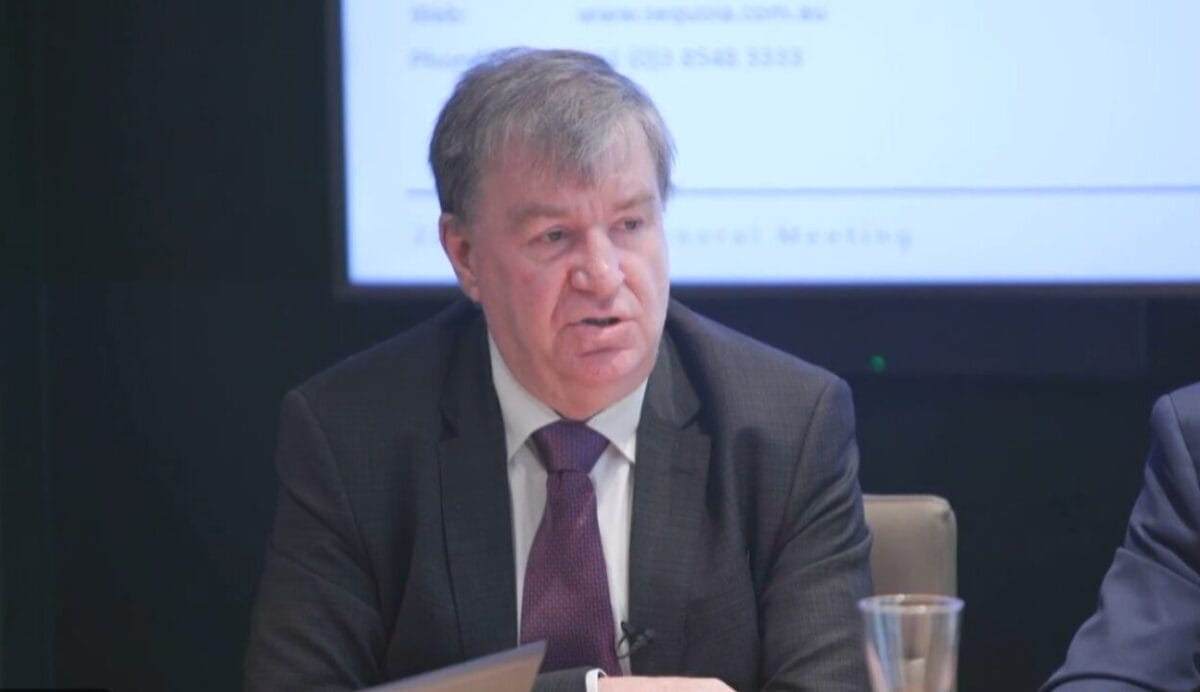
But while ASIC’s investigation has centred on InterPrac advisers Merhi and Rhys Reilly, Sequoia managing director Garry Crole has publicly lobbied for trustees to utilise their operational risk reserves or ask for government assistance to remediate clients, often arguing they were just as culpable as any other party.
Investments in Shield and First Guardian grew due to a sophisticated network of lead generators that contacted people who used online “superannuation health check” advertisements and used high-pressure sales tactics to refer them to financial advisers.
ASIC acted against the Shield and First Guardian funds over concerns investor money was being misused on high-risk investments, pet projects of the directors and personal expenses.
While ASIC has taken action against InterPrac, other licensees and advisers involved in distributing the funds, and the directors of the funds and lead generation services, the regulator has also acted against the “gatekeepers” – platform trustees and researchers – for due diligence failures.
Equity Trustees and Diversa Trustees are both in court against the regulator after electing to fight allegations that their processes were insufficient rather than settling as was the case with Netwealth and Macquarie.
Former ASIC Commissioner Danielle Press was enlisted to help lift licensee governance standards at Sequoia, but Professional Planner revealed last month that she departed due to concerns the company wasn’t moving in a positive direction.
InterPrac is also suing the Australian Financial Complaints Authority over concerns that the authority has not fairly handled the complaints resolution process after it released the lead determination last month.