


Confidence in retirement options is something that is built over the working life of an employee, according to MLC’s The Real Retirement Report, which found that 84 per cent of Australians believe employers should provide free or subsidised financial advice.
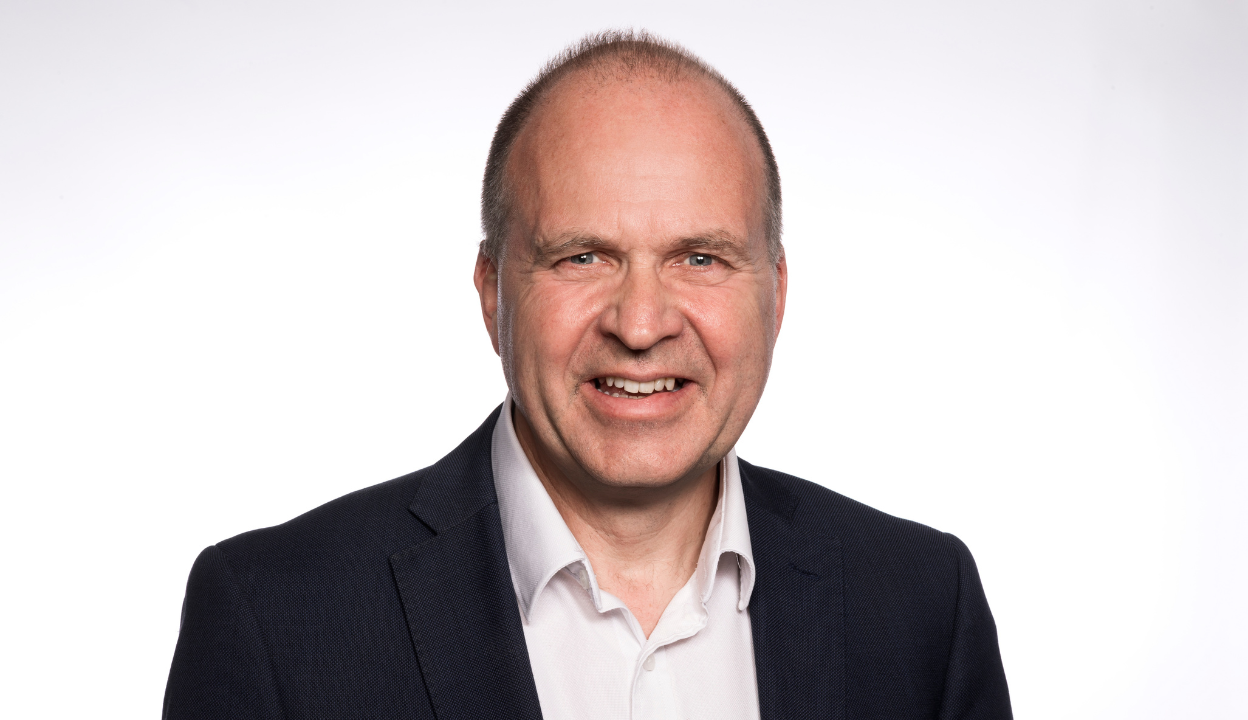
“The finding points to considerable unmet demand for accessible financial support,” says Dave Woodall, MLC Super CEO.
“That could range from workplace education through to comprehensive financial advice for those with broader or more complex needs.”
The report also found 77 per cent of Australian workers would value access to financial education or superannuation seminars, but Woodall says there isn’t one solution for everyone. He believes the fact that the overwhelming majority of Australians are saying they want their employers to help them access advice and financial education is encouraging as the earlier people engage with their super and finances, the more confident they feel in retirement.
“These findings really highlight the focus for employers in picking the right corporate super partner for their business,” Woodall says.
Advisers and employers can work together to provide practical education that is relevant to people at different ages and career stages. “Importantly, it shouldn’t just be a one-off seminar, employees should also have a clear way to access further information or advice if they want to take the next step,” Woodall says.
Further on the interest from employees in education, there is an opportunity for financial advisers to reach more Australians earlier, before financial or retirement decisions become urgent.
On Wednesday, 19 August, Minister for Financial Services Daniel Mulino made several announcements including a crackdown on lead generation services, and changes to improve access to safe and reliable financial advice.
“Advice plays an important role in giving Australians greater guidance and confidence. We look forward to seeing the detail and working constructively with Government and regulators on its implementation,” says Woodall.
With only 39 per cent of employees confident in overall financial knowledge, this lack of confidence has a direct impact on employees with 65 per cent saying their financial situation affects their health and mental wellbeing and 16 per cent saying it impacts their job performance.
The numbers around employees’ mental health, wellbeing and performance are the most confronting for Woodall. “This shows the impact financial stress is having on employees’ wellbeing, as well as workplace productivity,” he says.
The MLC report also showed that only 25 per cent of women are confident in meeting their financial needs in retirement.
“The gender pay gap is likely to be part of the broader picture, but our research doesn’t attribute the confidence gap to one particular cause,” Woodall says. “There are a range of factors that can affect women’s retirement outcomes, including time out of the workforce, caring responsibilities, different working patterns and the flow-on impact on super savings.”
“What the findings do show is that support can’t be one-size-fits-all. Education, tools and access to advice need to reflect the different working lives and financial circumstances of employees.”
According to the Australian Bureau of Statistics, in 2024-25, 156,000 people aged 45 and over retired. Of these, 55 per cent were women. On average, women retire at an earlier age than men.
MLC’s findings were based on a survey of 2500 Australians aged 18 and over conducted in December 2025.









Leave a Comment
You must be logged in to post a comment.