


High-net-worth specialist advisory Escala is looking to expand beyond Sydney and Melbourne to become a national brand, a year on from a restructuring of the business by US-based Focus Financial Partners.
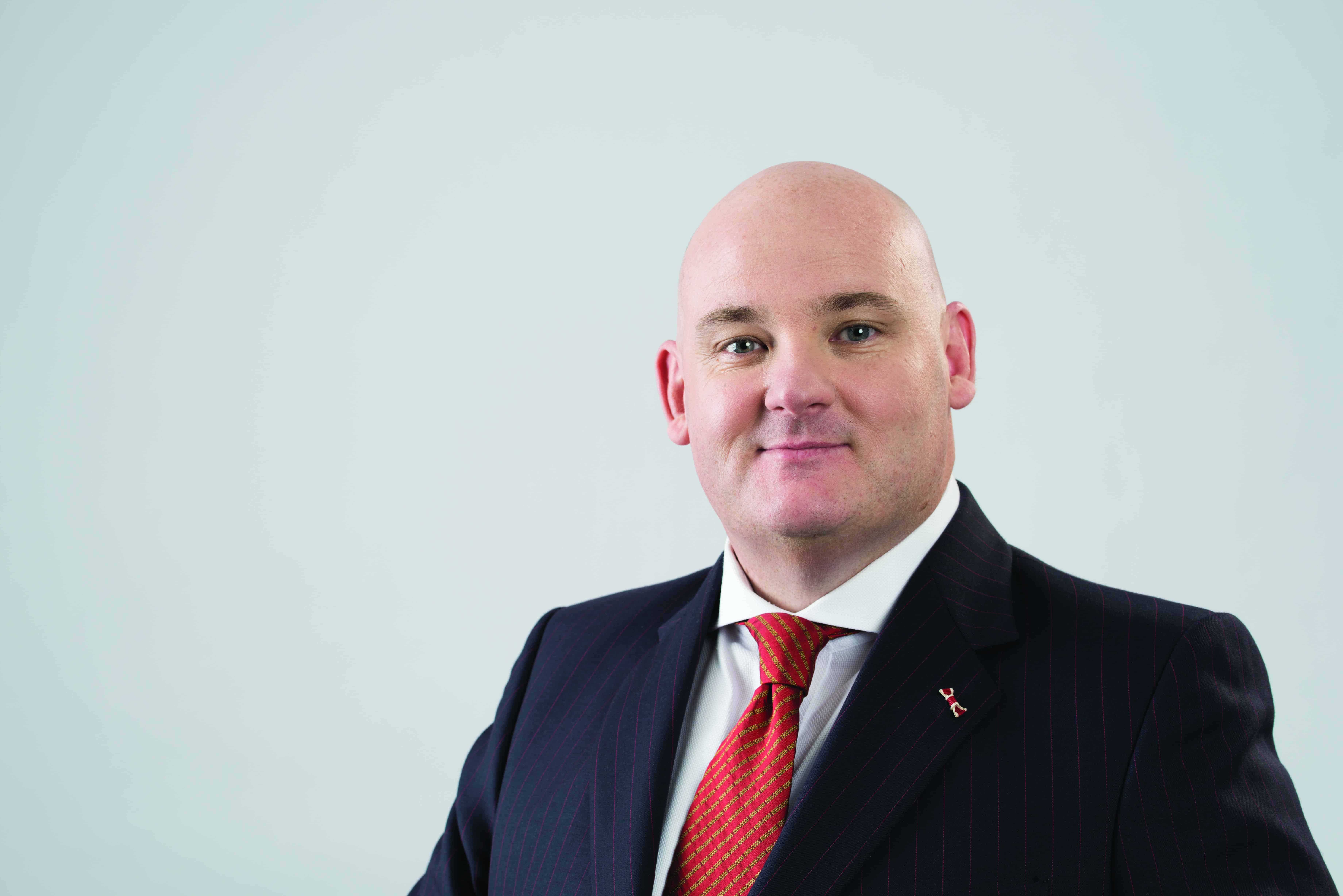
Assets under management recently hit $8 billion and Escala chief executive and partner Ben James tells Professional Planner the firm is “unashamedly in growth mode”.
“We’re obviously focused solely on Melbourne and Sydney but with a global partner that’s very, very keen for us to grow and prosper,” James says.
“We’ll be looking to add advisers over the next year. We spent the last 12 months right-sizing the business to become a bigger business, spending a lot of money on C-suite, spending a lot of money on IT governance, all those practice-enhancing processes.”
The firm has 21 advisers and James says the goal now is to start adding advisers and new locations with Brisbane the first option.
“We’ve actually spent a lot of money investing in Brisbane over the last 12 months, principally in the property sector, and we see real population growth in Brisbane – a lot of Melbournians are moving up there,” James says.
“We think that’s possibly the first cab off the rank for us. We previously have been in Perth but have always had great success in just servicing that business from Melbourne principally. Perth may be back on the horizon.”
In 2019, Escala was sold to Focus entirely but as part of that, the firm had a management agreement with the founding shareholders that gave them ownership of 51 per cent of the revenues of the business.
Focus was acquired by US private equity firms Clayton, Dubilier & Rice (CD&R) and Stone Point Capital in February 2023, de-listing the company off the NASDAQ.
From 1 July 2025, the new ownership restructured the previous 51 per cent ownership model and created local “hubs” with Escala being the Australian hub.
“Rather than having an investment or ownership in an Australian-only business, a lot of our staff have ownership in the global business,” James says.
“Equity ownership and a revenue attribution model based on how much revenue you write.”
Institutional structure, boutique feel
The deal with Focus in 2019 came at a time when the profession was undergoing a transformation post-Hayne royal commission which included the exit of the big four banks from financial advice.
“If you look back beyond those seven years ago, a lot of advisers felt the need to be part of a big institution, whether it’s the big four [banks] or the offshore investment banks,” James says.
“For branding, support, infrastructure. Post-[Hayne] royal commission, when we started Escala, there was this real move towards independence, boutique feel and clients being part of something smaller and unique.”
James describes Escala as having an institutional structure with a boutique feel.
“It’s combining that local presence and personal relationship with access to global research, investment opportunities and institutional-grade capabilities,” James says.
The goals of private equity investors vary – some work to a shot clock with a five- or seven-year turnaround, while others can be patient, long-term capital. James says Focus is very much in the latter camp.
“I talk a lot with investors in the US, and they look at the Australian wealth management industry as being the most aligned to the US model,” James says.
“They love the superannuation structure, they love the mandated growth that provides, they love the ageing demographic, and they love how the advice sector is really becoming more professional.”
Cheap beta, expensive access
HNW clients are looking for sophisticated, non-traditional styles of investments and James says Focus has helped the firm further expand its capabilities.
“We’ve seen growth in alternative assets and really being able to show a differentiated investment structure really does require you to be part of something bigger,” James says.
James says the firm sees the benefit of using lower-cost products as a significant part of portfolios, allowing fee budgets to be allocated to alternative asset classes where access is more difficult.
“Some big learnings that we’ve had from offshore partners in a lot of asset classes where there’s really low divergence in returns – like Aussie equities where managers are huddling around a benchmark and not really having the ability to beat a benchmark – or even internationally we’re seeing that as well,” James says.
“We’ve really leaned into using ETFs, low-cost products and this is the global trend we see and using that fee budget on the alternative capability where cost is probably higher, but access is equally more difficult. Focus would enable us to take advantage of some of those managers that previously we just weren’t seeing.”
Escala leverages its Direct Investment Group, led by head of capital markets/partner Simon Dawkins, to help clients with direct liquidity solutions.
“It’s a direct bond investment across a portfolio of liquid floating rate securities,” James says.
“It is an alternative to clients using term deposits, we see term deposits as being a risk in terms of having interest rate risks. We lead with an investment grade bond portfolio that’s curated per client.
“The DIG group [role] is to look for co-investment opportunities for direct private equity businesses or even a direct bond issuance that might be trading well above what you could get in the private markets or direct property deals.”
James says it has a T+1 settlement functionality (the ASX uses a T+2 settlement function), helping clients get earlier access to funds.
“We use that as a nice foray for building client portfolios, if someone sells a business as they come to us with $50 million or $100 million, we will start with the bond portfolio and gradually implement other asset classes,” James says.
“For our larger clients, they are looking for different styles of investment opportunities that might sit outside our APL. A lot of them have been business owners themselves and they’re happy to take on a little bit of additional risk.”
















Leave a Comment
You must be logged in to post a comment.