
Freedom of Information documents reveal that Treasury told the government the 2022 managed investment scheme (MIS) review would not have stopped the Shield and First Guardian collapse, and that a broader policy response was needed.
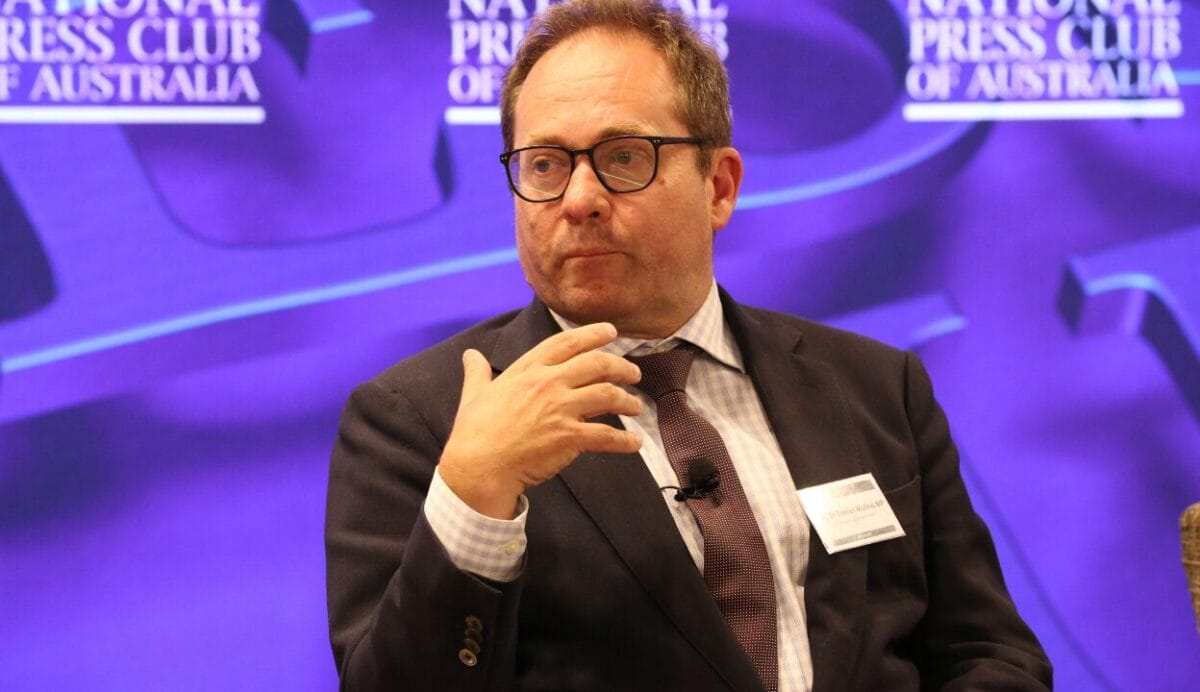
Uploaded to Treasury’s FOI disclosure log, the 12-page, heavily redacted document collated two letters sent to Minister for Financial Services Daniel Mulino in July and September last year, after the government sought policy advice.
Treasury confirmed the findings of the MIS review, which was announced in 2022 and launched in 2023, were handed to the government in May 2024, but there has been no response from government, and the findings haven’t been made public.
The federal opposition has accused the government of “brazenly burying” the MIS review and argued that losses from the Shield and First Guardian collapse might have been mitigated had the recommendations of the review been implemented.
Treasury told Mulino that the 2022 MIS review did not examine the type of business models utilised in the Shield and First Guardian cases, but instead flagged the role of lead generators, superannuation trustees’ oversight of products on platforms, the role of research companies and the ease of establishing an SMSF as policy reforms needed to address the shortfall.
These recommendations ultimately formed the government’s response announced in December, which saw the potential introduction of a cooling-off period for consumers switching super funds, limiting “inappropriate” financial advice fee charging, and changes to anti-hawking laws to mitigate the impact of lead generators.
But Treasury told Mulino that trustee obligations extend beyond simply putting products on their platforms to facilitating choice of investment options, noting concerns already raised by the regulators that trustees were not fulfilling these obligations.
While Treasury said it supported “in principle” enhanced data collection powers for ASIC’s oversight of the system which would bring Australia in-line with international regulatory framework recommendations, it noted there would be limits to its initial effectiveness.
“Targeted enhancements to data collection could support supervision activities and provide insights into potential systemic risk associated with MIS and build an evidence base for other proposed reforms,” the document said.
“However, there will be natural limits to the improvement in early detection/intervention from this data, driven by factors like reporting timeframes and lags in data processing, analysis and subsequent investigation.
“Industry has previously expressed concerns about providing ASIC with unrestrained data collection powers due to a likely increase in regulatory burden. Other agencies (RBA, APRA, ABS) also have interest in different types of data collection from MIS.”
ASIC told a parliamentary committee this month that it can’t functionally monitor all 3500 MISs and chair Joe Longo has been critical of how easy it is to register a scheme.
The regulator acted against the Shield and First Guardian funds over concerns that investor money was being misused on high-risk investments, pet projects of the directors and personal expenses.
The investments in the funds grew due to a sophisticated network of lead generators that contacted people who used online ‘superannuation health check’ advertisements and used high-pressure sales tactics to refer them to advisers.
ASIC has acted against multiple advisers who have been banned from financial services, while InterPrac Financial Planning adviser Ferras Merhi is in court over allegations he received money from the funds to help market them and failed to act in the best interests of clients. InterPrac is also being sued for oversight failures of its advisers.
The regulator has acted against the “gatekeepers” who weren’t related parties to the collapse, but were otherwise responsible for alleged due diligence failures.
ASIC has settled with Macquarie and Netwealth to remediate consumers back to their starting position before being rolled over into either Shield or First Guardian, but Equity Trustees and Diversa Trustees chose to instead fight the regulator in court.
Diversa was responsible for Your Choice Super, Praemium Super and Aus Prac Super platforms while Equity Trustees was responsible for NQ Super and DASH’s Super Simplifier.
Diversa and Equity Trustees contend their situation was different to that of Macquarie and Netwealth who were the branded trustee and platform.
SQM Research is also being sued for preparing reports on the funds that contained misleading representations and that its processes fell short of expected standards.