



AFCA’s lead determination for InterPrac Financial Planning showed that the product disclosure statement (PDS) for the Shield Master Fund was ignored, which warned against a sole allocation to its high growth option.
While the under-fire licensee, owned by ASX-listed Sequoia Financial Group, blamed Macquarie for the investor’s loss, InterPrac said it will pay the determination which only requires part payment as Macquarie has already covered the initial investment.
Macquarie has since ceased taking on new business from InterPrac due to the fallout of the collapse of Shield, which Sequoia group managing director Garry Crole acknowledged in a shareholder call last year.
AFCA’s review of the case found the PDS for the Shield Growth Class makes clear that it shouldn’t be the sole investment.
In a video explaining the determination, AFCA lead ombudsman for advice Shail Singh said InterPrac denied it was responsible for the complainant’s loss.
“The financial firm said the trustee of the Macquarie Super Fund has publicly acknowledged it breached the law and has made a remediation payment to the complainant and the complainant’s superannuation account which amounts to the complainant’s net capital investment into the Shield Master Fund,” Singh said.
“They also said the complainant should lodge a further claim for compensation referable to lost investment earnings with the trustee of the Macquarie Super Fund.”
A spokesperson for InterPrac said in a statement: “InterPrac Financial Planning notes the determination and will make the payment to [the complainant] as per the requirements of the Australian Financial Complaints Authority. We have no further commentary on this matter.”
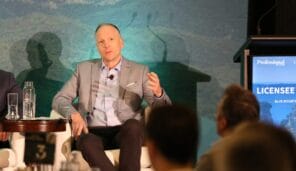
Singh will be speaking at the Professional Planner Advice Policy Summit on 23-24 February at the National Press Club in Canberra about the work being done by external dispute resolution service in the aftermath of the collapse of Shield and First Guardian.
AFCA’s analysis of the advice showed that the complainant was $423,534.94 worse off because of the advice, based on a capital loss of $301,034.16 and a “but for” loss of $122,500.78.
The controversial “but for” legal precedent allows AFCA the ability to calculate investment gains that were missed out because of poor advice, usually because the client would’ve been in a better financial position if they had never been rolled out of their initial super fund.
The complainant has received $304,603.79 from Macquarie, after it agreed to remediate customers back to their starting position before investing in Shield, but InterPrac will still be required to cover the remaining $118,931.15.
AFCA and the Compensation Scheme of Last Resort had anticipated that despite the agreements from Macquarie – and later Netwealth – to remediate clients to their starting position, there would still likely be compensation for “but for” determinations.
While InterPrac has agreed to pay the determination, it is the only solvent licensee implicated by ASIC in the Shield and First Guardian scandal, which means any AFCA determinations from the other licensees will go directly to the CSLR.
Singh said the complainant’s investment on the Macquarie platform and the Shield fund was a direct result of the financial firm’s inappropriate advice.
“While the trustee of the Macquarie Super Fund has already compensated the complainant for the capital amount they invested in the Shield Master Fund, but for the inappropriate advice, the complainant would have remained in the previous platform super fund, so there is a direct loss in foregone earnings,” Singh said.
The determination found that the complainant was not seeking an ongoing advice relationship with the firm, that the Statement of Advice does not appropriately consider alternative superannuation structures and that the financial firm over-emphasised the benefit of lower fees.
AFCA’s review said that the complainant was moved from a “balanced” risk profile (48.77 per cent defensive and 51.23 per cent growth) into a high growth risk profile but this not clearly documented in the SOA.
Furthermore, the SOA showed investment performance from March 2017 to early 2022, despite Shield not having any funds under management at the time.
AFCA had released four other lead determinations at the end of 2025, which all found in favour of the complainants.
Shield and First Guardian grew due to a sophisticated network of lead generators that contacted people who used online ‘superannuation health check’ advertisements and used high pressure sales tactics to refer them to financial advisers.
ASIC has alleged that the funds paid advice firms for marketing the products and court documents alleged that InterPrac approved call scripts used by lead generators that mentioned accessing both the Shield and First Guardian funds.
At least one of the publicly released AFCA determinations show that an investment manager for Shield also referred clients to a financial adviser who recommended those clients invest in the fund.
ASIC acted against the Shield and First Guardian funds over concerns investor money was being misused on high-risk investments, pet projects of the directors and personal expenses.
While ASIC has centred its investigation on the advisers, lead generators and managers of the funds, it is also taking action against SQM Research for inadequate research reports of the funds, as well as Diversa Trustees and Equity Trustees over allegations all failed to conduct proper oversight when hosting the funds.
Like Macquarie, Netwealth has agreed to remediate clients on its platform to their original starting position.
AFCA lead ombudsman for advice Shail Singh and Netwealth managing director Matt Heine will be speaking at the Professional Planner Advice Policy Summit on 23-24 February in Canberra. Advisers, practice principals and licensee executives are eligible to attend and can register here.









Let’s be clear about something – you don’t need a PDS to tell you not to dump a client’s entire retirement savings into a single high-growth product. Any competent adviser knows that long before they get to the boilerplate disclaimers in a disclosure document. You have the best interests duty, you have professional judgement, and you have basic common sense. The fact that AFCA felt the need to reference the PDS warning is almost insulting to the profession – it shouldn’t have ever gotten that far. InterPrac’s advisers were shifting clients from balanced portfolios into concentrated high-growth positions without proper documentation, using fabricated performance data, and the licensee either knew or should have known. For Garry Crole to then publicly wash his hands of any advice responsibility and try to sheet the blame to Macquarie is an appalling look – not just for Sequoia, but for every adviser in the country who is now paying for this mess through the CSLR.
It’s time for Crole to move on. The fact that the Sequoia board has kept him in place through all of this is genuinely baffling. What is that confidence based on? The share price? The regulatory outlook? The reputational damage to every practice operating under the InterPrac licence? Advisers across the country are fighting to rebuild public trust in a profession that has been dragged through the mud, and here we have a group managing director publicly deflecting responsibility for advice failures that occurred on his watch. Leadership means accountability, and if Sequoia’s board can’t see that a change at the top is long overdue, it tells you everything you need to know about the governance culture that allowed this to happen in the first place.