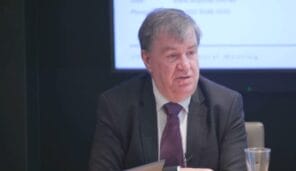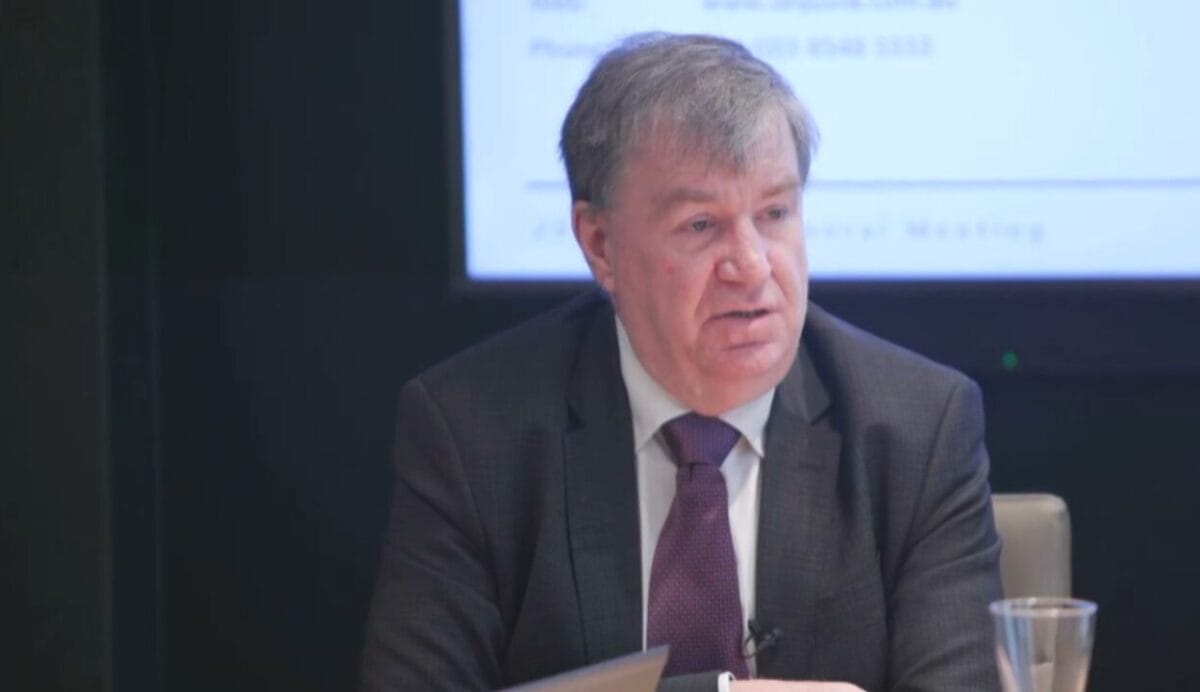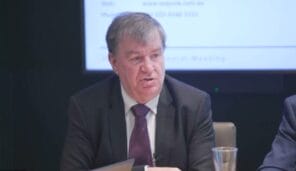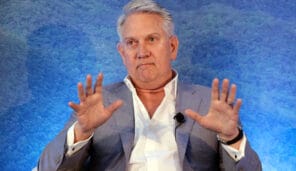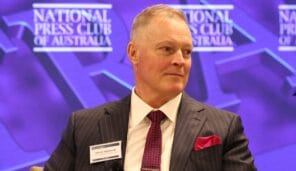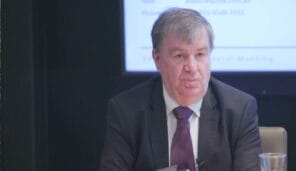

Sequoia Financial Group chair Mike Ryan and chief executive Garry Crole escaped any shareholder scrutiny at the company’s AGM over the role of its licensee-for-hire business and the advisers it authorises in the collapse of the Shield and First Guardian managed investment schemes.
Sequoia-owned licensee InterPrac is at the centre of an ongoing ASIC investigation into the collapse of the schemes that have left around $1.2 billion of superannuation savings in limbo.
Crole has proposed that a number of non-Sequoia parties be tapped to remediate InterPrac clients, including asking superannuation trustees to access their operational risk financial reserve (ORFR), an idea he spent time explaining again yesterday.
But at the end of the day, a licensee is responsible for the advice provided by its advisers. Crole told the AGM that InterPrac’s share price has been hit and its brand has been damaged by the ASIC investigation.
He said most InterPrac advisers are reluctant to leave the group, but is resigned to the fact that some will and blamed the “false press” – at least he didn’t call it “fake news” – and competitors for mounting fear campaigns and destabilising the InterPrac adviser network.
Crole told shareholders that two of the most important platforms in the market – Macquarie and Netwealth, on which InterPrac clients collectively hold $2.3 billion – have closed to new business from its advisers. He voiced unspecified “suspicions” about the reasons but admitted that basically it has no idea why its advisers have been banned.
And he told shareholders that Sequoia was bracing for potential fine, licence conditions, an enforceable undertaking and “other actions” that it would need to comply with to stay in business.
Any way you look at it, it’s not a pretty picture, and the Sequoia board and executives have some treacherous waters to navigate in coming months, possibly years.
But shareholders attending the AGM in Melbourne in person remained silent on all Shield- and First Guardian-related issues, during a question-and-answer session.
Ryan tried valiantly to elicit questions; what eventually emerged was a light grilling on the operating businesses within Sequoia’s main divisions and whether more detail could be provided on how each is performing individually. Crole undertook to do that at the company’s next half-year results.
Sequoia shareholders appear not to care much at all about a potentially existential threat posed to one of their company’s key operating businesses. Their minds must be on other things.
Crole noted that this year Sequoia has taken advantage of its weak share price to undertake buybacks, reducing the number of shares on issue from 135 million to 123 million, and noted that the company has about $16 million of franking credits on its books. Investors can expect future dividends to be fully franked.
As the meeting closed, shareholders were invited upstairs to join directors and staff in “lots of cakes and… lots of sandwiches and… lots of orange juice”.
Sometimes it seems that all it takes is the promise of fat dividends and an opportunity to eat cake to distract shareholders from truly holding boards to account.