
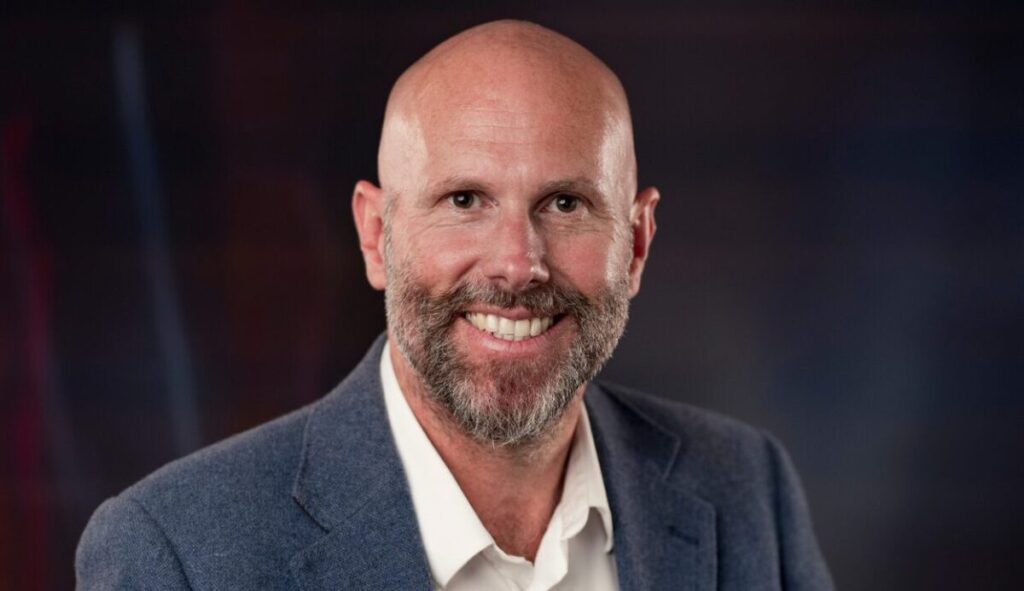
“The future is not what it used to be,” Yogi Berra once said. In late 2019, when I was 46, I was diagnosed with young-onset Parkinson’s Disease (PD). But I never really accepted my PD diagnosis and have taken pride in railing against it.
I was diagnosed early and had a good base level of fitness. And while there is no cure for PD, it is possible to defer the progression of symptoms. Managed well, I could look forward to 10 good years of active contribution, and then brain surgery would provide another five good years.
After that, I suppose I would be shaking in a chair with a blanket over my legs for the rest of my days. Again, managed well, I could expect to live close to normal life expectancy, sharing in the lives of my children and grandchildren.
It’s not PD at all
But I haven’t had ten good years. My disease is progressing more rapidly than young-onset PD typically does. And many of my symptoms are inconsistent with PD: the absence of a tremor when I am still, and my tremor stopping when I consume alcohol, for example.
It turns out, my diagnosis of PD was wrong. I have now been diagnosed with Multiple Systems Atrophy – Parkinsonism (MSA-P or simply MSA). MSA is an aggressive degenerative neurological disorder. Like PD there is no known cause or cure. Unlike PD, there is no treatment to defer the onset of symptoms.
And the prognosis? Five to eight years. I don’t know when the timer started counting down on that and, frankly, I don’t want to know.
No doubt, it’s later than I think.
So, what have I learned about myself? And as a client of financial advice who has a life-ending medical condition, what has my experience of advice been? Are there any implications for the financial planning process?
For a start, wallowing isn’t helpful
Gotye mused that “you can get addicted to a certain kind of sadness”, and he was right. It can be intoxicating. But while there is comfort in listening for endless hours to Jimmy Cliff singing “Many Rivers to Cross”, I’ve found it is not very productive.
And to be frank, my experience is not unique. Everyone has a comet heading directly for them, I have just met mine a few decades earlier than I had hoped. Getting sick and dying happens to everyone. That said, it’s still awful when it happens.
I have now medically retired at age 50 from all my formal positions. Again, in this I’m not an isolated case. According to MYMAVINS’ research, around one in five retirees are forced into retirement. The top three reasons are ill-health, having to care for someone who is sick, and redundancy.
Human beings need hope
The father of positive psychology, Martin Seligman, says that hope for the future is important to help people feel good about themselves and the world around them. And I can vouch for the reverse also being true. The sense of hopelessness is the hardest thing about being diagnosed with MSA. Where once there were challenges that could be overcome, there is now a feeling of inevitability. Now and for the foreseeable future, modern medicine can do nothing for me except watch and count the symptoms.
Fortunately, my Christian faith provides me with necessary hope for the future. I think this hope might be why religious people are consistently shown to be happier and more satisfied with their life than the non-religious, have lower rates of depression and are more resilient to setbacks and tragedy.
Personally, I hope to experience a miracle cure or, failing that, to spend eternity in a renewed body, running. Man, I miss running.
My advisers helped me wrest back a sense of control
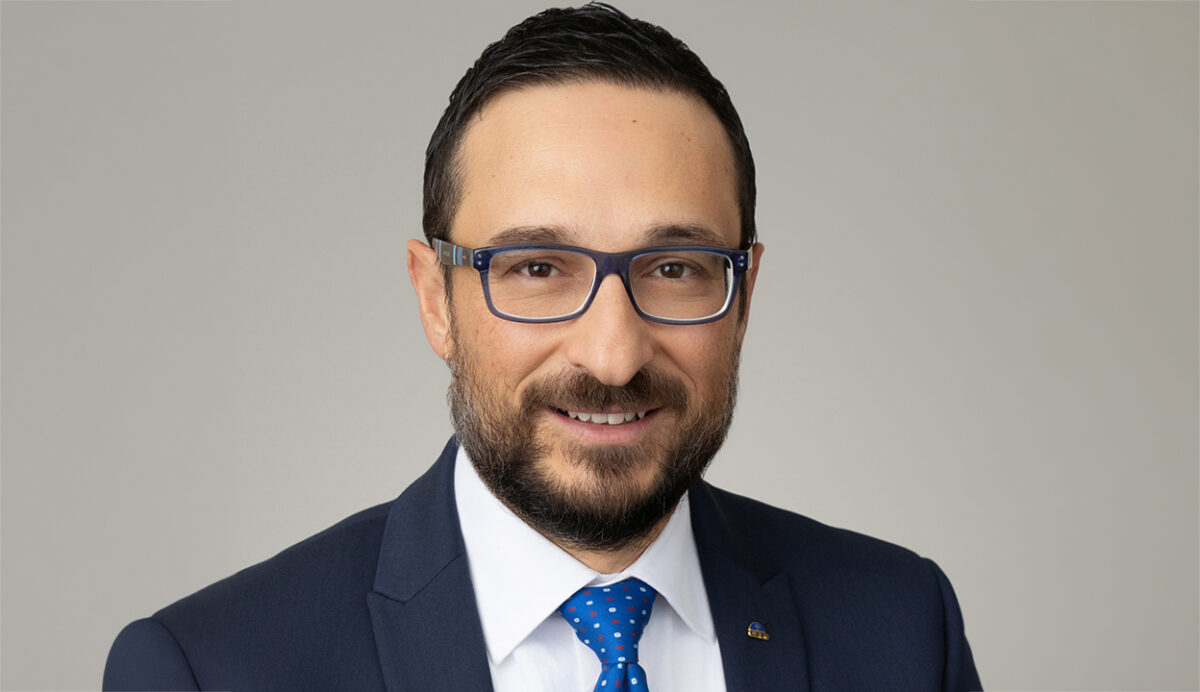
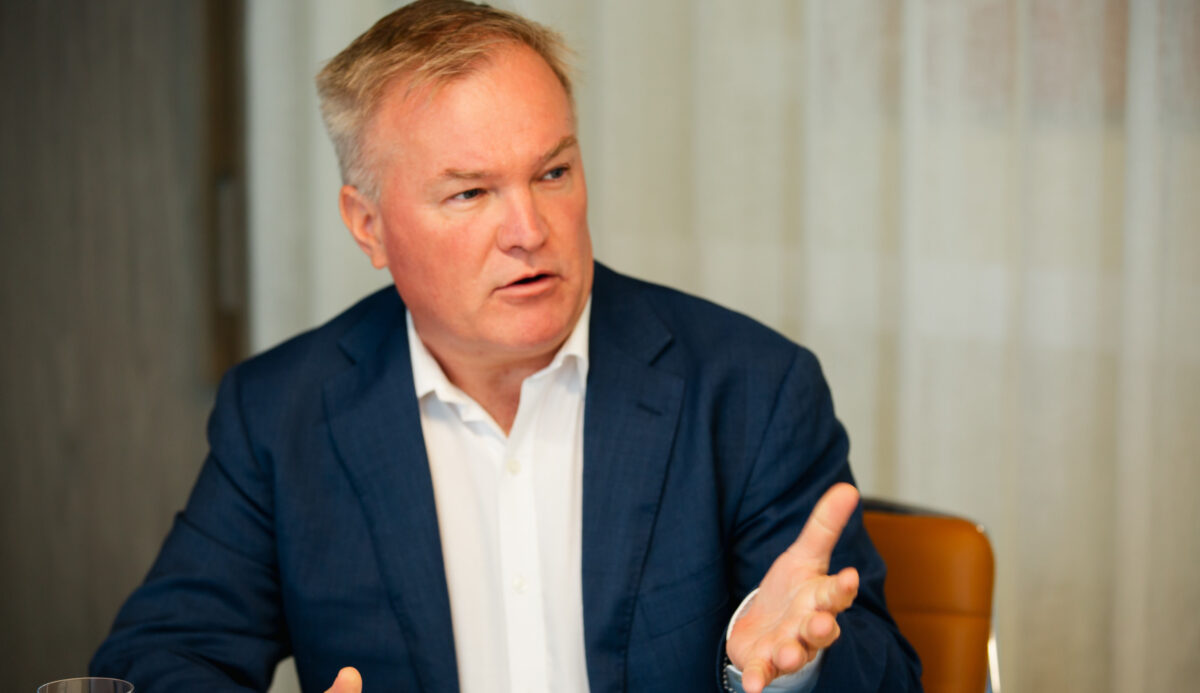
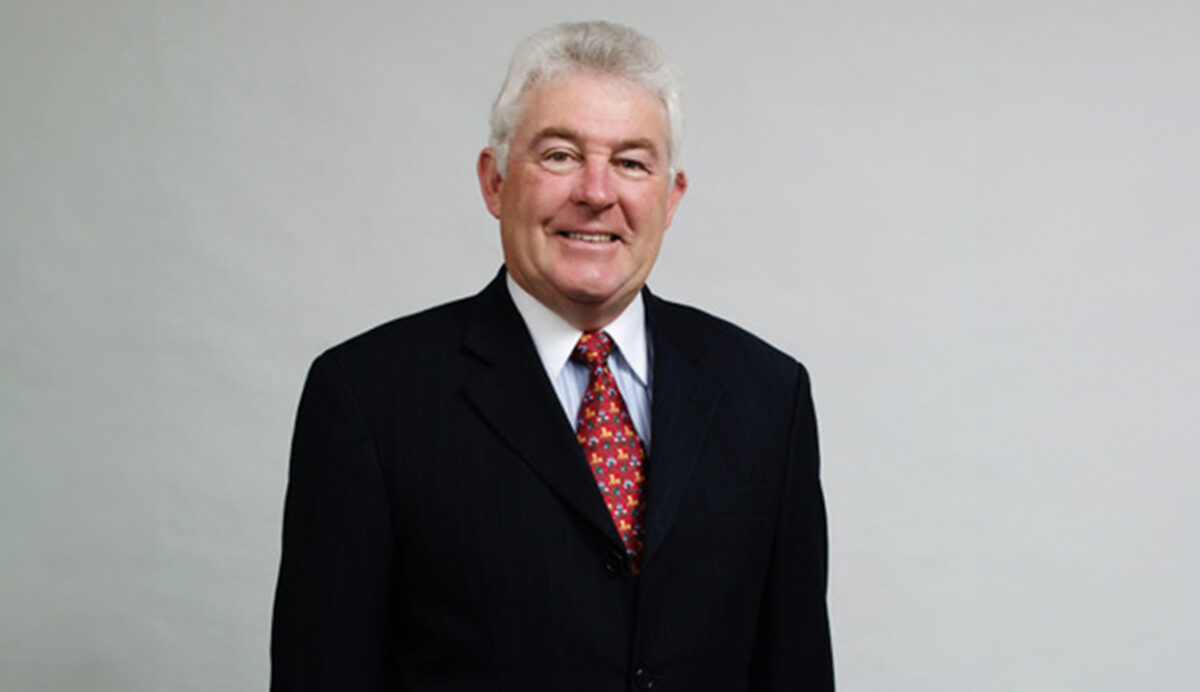
The best things about being a consultant are the connections you make and the exposure to different businesses and service models. I have assembled a crack team of specialist advisers led by Will Johns of Health and Finance Integrated, and Michael Perkins of Autonomy First Lawyers. They are building on the foundations laid by Nick Bordi of HPH Solutions in Perth.
Advice should anchor on values and character traits
Typically, financial advice is anchored on lifestyle goals. Financial advisers look at what you want to achieve, compare that with where you’re currently at, and then devise a series of steps to bridge the gap.
But Nick peeled back the onion one layer further than that. His advice process unpacked my attitudes to money and what purpose money could serve to enable me to live according to my values and make the most of my strengths. And that was important for two reasons: It helped devise a great Plan A, and it made me more resilient. When Plan A was skittled by my changed circumstances, my financial goals became redundant but my values remained unchanged.
My most creative period
So, what will my retirement look like? Lots of furniture building and time on my boat with family and friends. Oh, and I’m also writing a book. One thing’s for sure, I still have many rivers to cross, still have much to contribute.
This is not the end.
Many rivers to cross
And it’s only my will that keeps me alive
I’ve been licked, washed up for years
And I merely survive because of my pride
– Jimmy Cliff
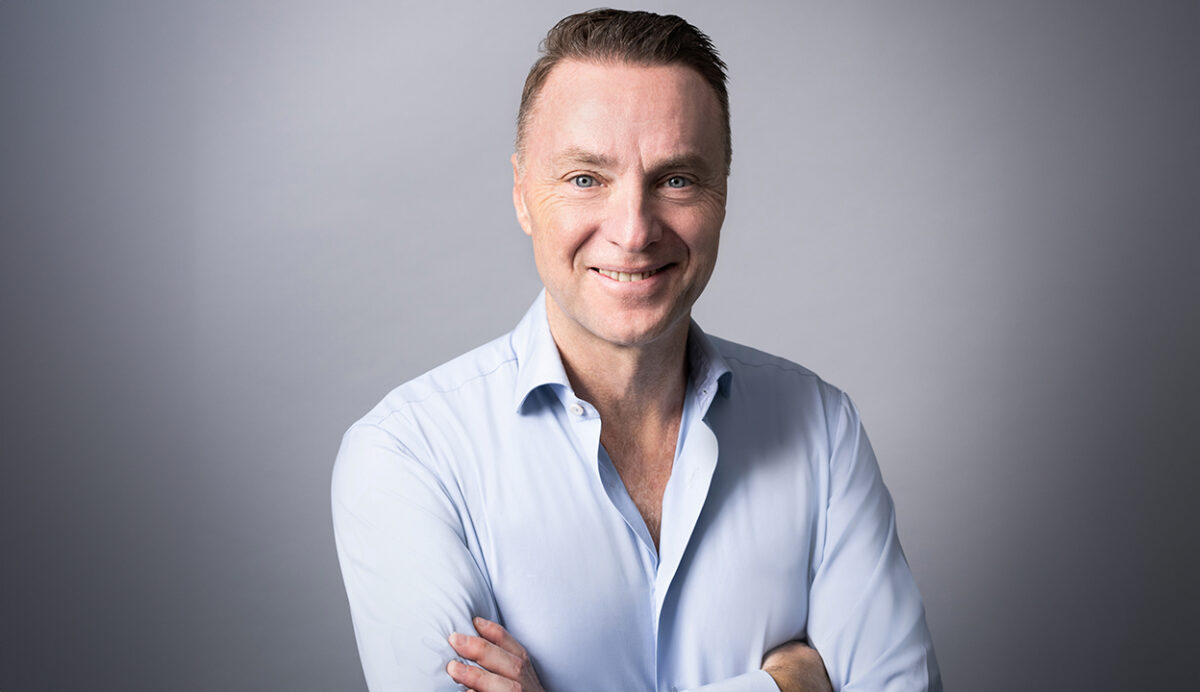
Jason Andriessen is a retired CFP and Fellow of the Financial Advice Association.














Leave a Comment
You must be logged in to post a comment.