


Having accepted the experience pathway will inevitably commence, the Financial Planning Association is now working on damage limitation to prevent the carve out of education requirements
Then opposition financial services minister Stephen Jones proposed the pathway in late 2021 which is yet to have any clear policy proposition in place after two industry consultations.
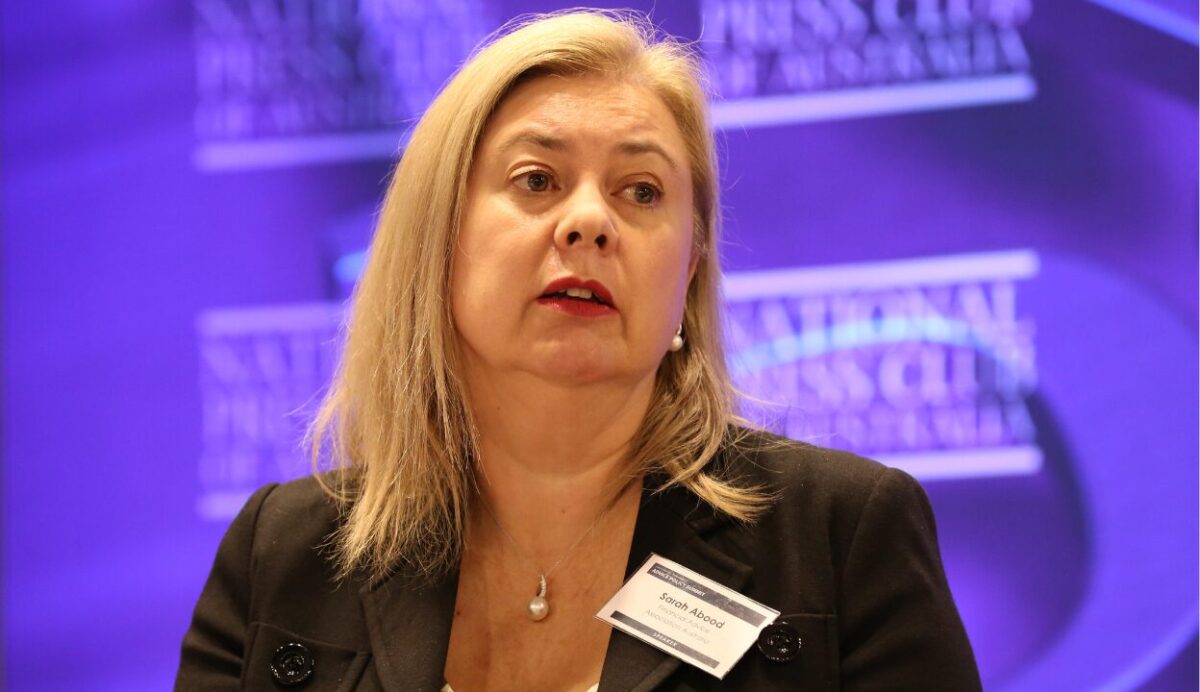
FPA chief executive Sarah Abood tells Professional Planner the goal is to limit the pathway and prevent it from being open-ended.
“The biggest concern that members expressed to us was potentially someone who was 30 could have practiced for the next 40 years without upgrading their qualifications,” Abood says.
“For our members, that professionalism is really important – to be able to say to consumers the whole profession meets these standards. That’s our goal. We want to see it limited.”
In the FPA’s recommendation to the most recent consultation which was held last September, the FPA recommended not having an experience pathway. However, if the government was to go ahead with one that it should include a 10-year sunset period that ends in 2032.
“There’s a lot of ways [the pathway] could be limited in such a way that current experienced advisers could take advantage of that pathway,” Abood says.
She adds there is still much ambiguity over how the mechanics of an experience pathway would work.
“What do we mean by a clean record? What happens to someone who after five years on the experience pathway has a case go against them with AFCA,” Abood says. “There’s much to think about with how that would be implemented.”
No holiday resting period
The turn of the year has offered little down time for the association – late last year it latched onto the ATO’s consultation on advice fees and it eagerly awaits the minister’s reaction to the Quality of Advice Review proposals.
“We’re pleased the ATO has been willing to update the tax determination,” Abood says. “We’d be even more pleased if the government would legislate that financial advice by its very nature is tax deductible and we continue to prosecute that argument.”
She appreciates the tax office realised the legislation is “long in the tooth”.
“It was written in a time where advisers were considered to be investment advisers,” Abood says.
“Upfront commissions were still being paid. There’s so much that’s changed about the profession. The other issue is tax (financial) advice in not mentioned in the tax determination.”
Mid-December also saw the delivery of Michelle Levy’s advice review proposals which Abood says the association awaits with “bated breath”.
“There’s a lot in there that are advisers are hanging on, in particular those red tape reduction pieces around fee consent, getting rid of fee disclosure statements and statements of advice – for a lot of [advice practices] that would be transformational and they’re really hoping for those to come through in a hurry,” Abood says.
She adds there are elements of the review’s proposals that are more controversial where the profession and the industry are not fully aligned.
“In particular, what is it that product issuers can say to their clients,” she says. “There’s areas of uncertainty but advisers want to get rid of some stuff as quickly as they can.”
Matchmaking
The most pressing issue for the association in the near future is the merger vote with the Association of Financial Advisers.
The boards of both associations support the merger which requires 75 per cent voting confirmation from both groups.
FPA chair David Sharpe took to Youtube last week to pump up the vote and Abood reiterated the importance of the merger for the profession.
Members have received a draft constitution and heads of agreement for the merger to consult on ahead of February’s vote.
In the second round of consultation right now which has launched the draft constitution to members, as well as the heads of agreement for the merger.
“We really want members to engage with [the consultation process] because it will a big change,” Abood says adding the merged entity will better represent the profession to consumers and explain what financial advisers do.
“It will be a good thing for the profession to have that singular voice, that unified voice that we can take to Parliament.”
Along with the new constitution will be a new name which an external branding agency has helped with.
“We sent a survey out to new members about what’s important to them about the name, what do they want to see reflected and what they don’t want to see,” Abood says.
“We’re working with an agency to go all through that because we need to have a name that’s not taken by somebody else. There’s a lot of work to do there and we’re not quite there yet, but we’re almost there.”












Leave a Comment
You must be logged in to post a comment.