
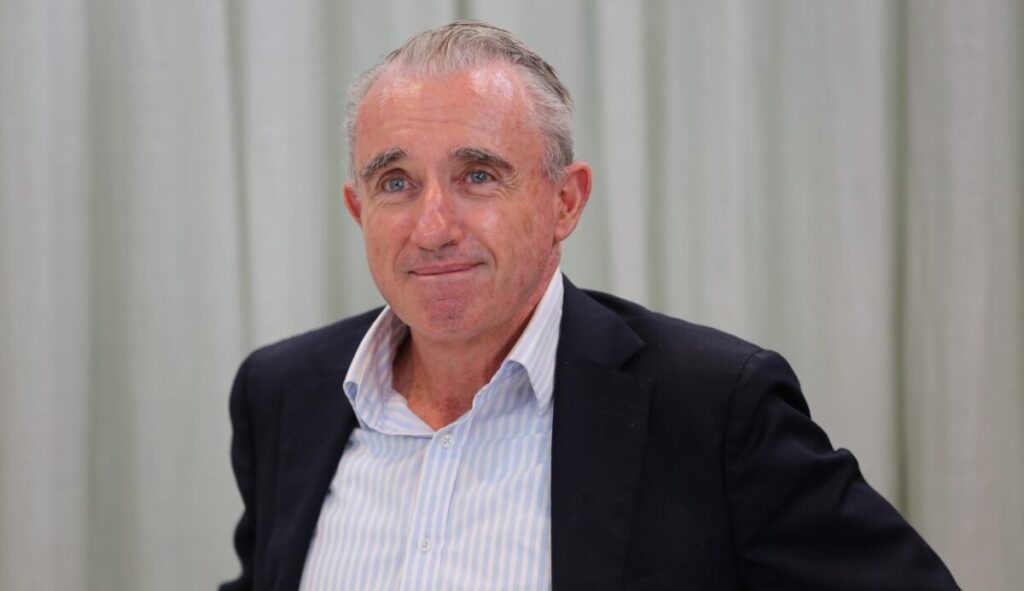

New shadow Minister for Financial Services Kevin Hogan is not sold on university degrees being the best pathway to becoming a financial adviser, instead saying that on the job training has been undervalued.
Hogan told the Professional Planner Shape of Advice podcast that while there are standards that need to be met, on the job training should have greater recognition.
“I actually am not necessarily always into the fact that higher education is the answer,” Hogan said. “Good tradespeople don’t go to university to learn about it in theory, they learn about it on the job.”
The government is currently consulting on changes to the education standard that would expand the approved degrees for new entrants into financial advice while maintaining other requirements including passing the adviser exam.
The changes come after the Labor government introduced an experience pathway for long-serving financial advisers which meant they didn’t have to meet the education standard deadline at the start of this year.
The shadow minister didn’t make any formal policy proposals that would further expand the standard in the future should the Coalition return to government.
“I’m not [sure] everyone who’s a financial planner should have to do a three-year degree,” Hogan said. “That’s not how I think. They should do training on the job [and] other education things.”
The pushback against higher education comes despite the shadow minister himself having an economics degree.
“I am not always sold on the fact that the best way to learn something… is through a theoretical university environment,” Hogan said.
“I certainly understand the importance of it, but does that mean everyone who goes into certain aspects of it should have those qualifications? I don’t think so, I think that can be overegged a bit, but there has to be training and performance hurdles they have to meet.”
Future of advice reforms
Education is only one of several high-priority issues in financial advice and superannuation as the incumbent government grapples with creating solutions to the Compensation Scheme of Last Resort and the regulatory response in the aftermath of the $1 billion Shield and First Guardian collapse.
Hogan acknowledged there is a real issue with financial advice due to the loss of advisers and ever-growing advice gap.
“As a legislator now, we have to be careful about two different things that are competing forces here,” Hogan said.
“We obviously don’t want scammers… so what do we do here? We have to be careful in the sense that we don’t overregulate, because what we have already is an industry that is a little bit over-regulated.
“The costs become prohibitive and it really is a stranglehold on the industry. That balance between protecting the investor and having those processes set but also not strangling the community is a very delicate one.”
The government has multiple consultations in progress covering the professional indemnity insurance, managed investment schemes, Compensation Scheme of Last Resort, lead generators and trustee obligations all largely due to the failed Shield and First Guardian funds.
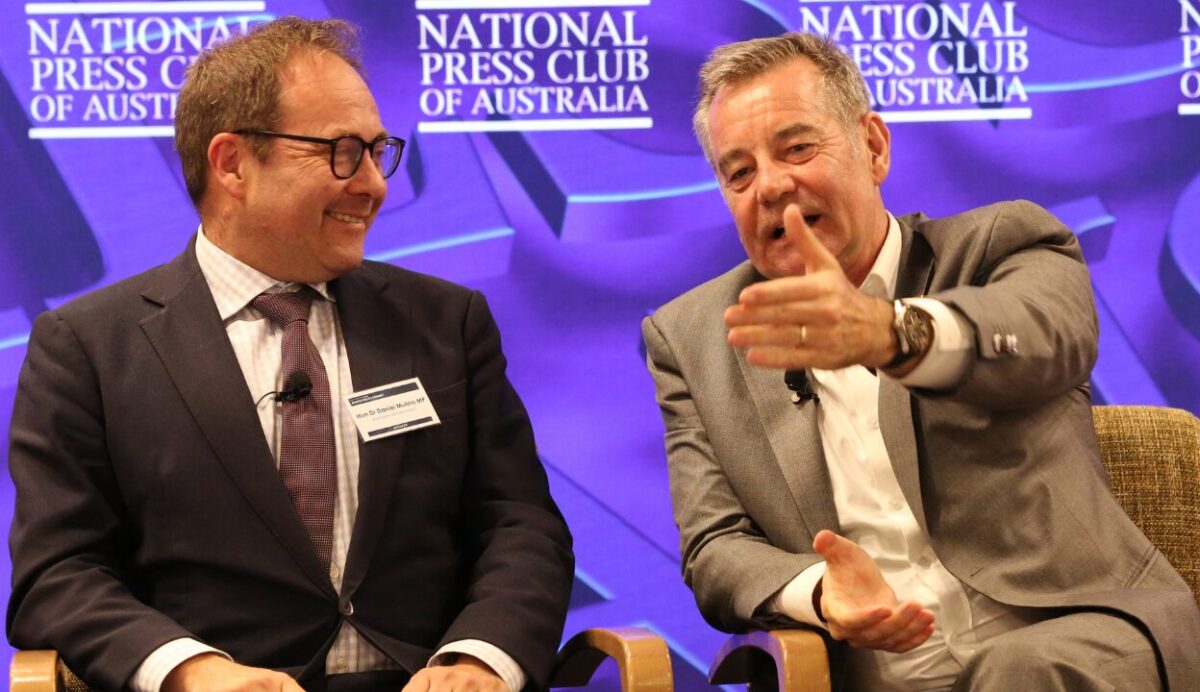
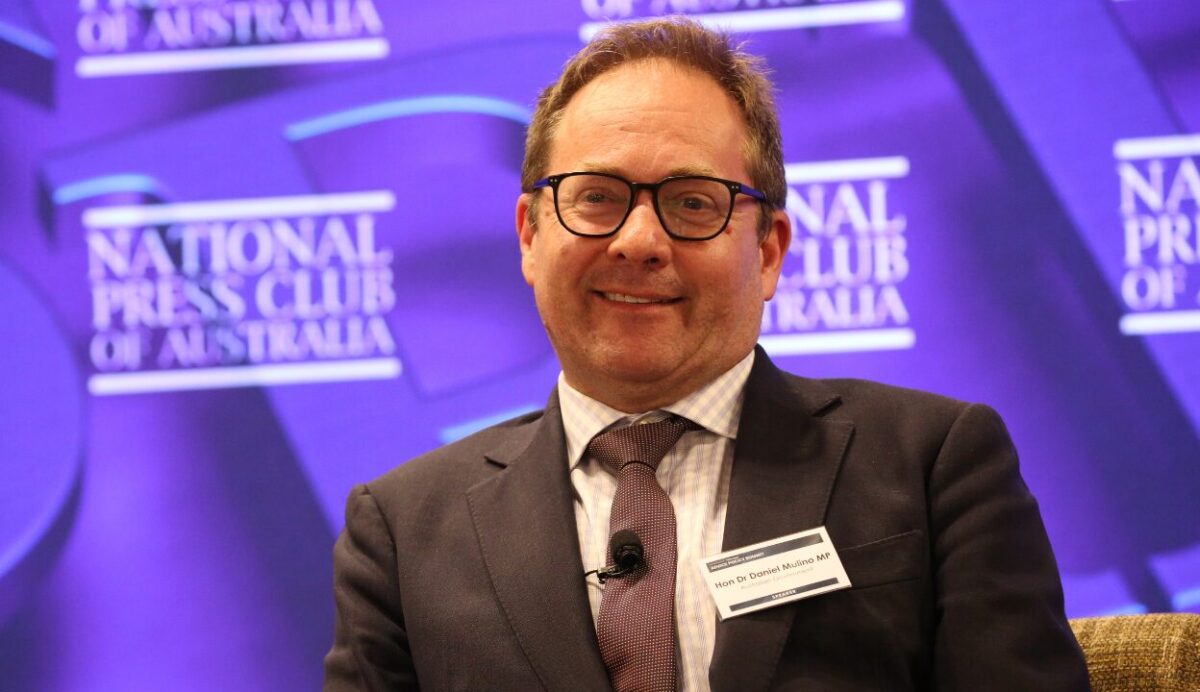
The Coalition is yet to make a formal position on the government’s proposals, but Hogan said he maintains a collegiate relationship with Minister for Financial Services Daniel Mulino.
“I’ve already had a number of conversations with Dan and I will always work for the betterment of the industry with him where I can,” Hogan said.
“We’ve yet to see the final parts of this legislation so there are still things that we need to discuss and look at, but it’s going to be delicate.”
Hogan said the burden for remediation can’t be placed on a shrinking number of financial advisers.
“I’ve spoken to financial planners who say this levy is very prohibitive, makes things expensive for them to open their doors,” Hogan said.
“We also need to look at phoenixing as well, some of the parent companies of some of the players need to be looked at this as well. I’ve spoken to the minister about that as well.”
Hogan’s predecessor, Pat Conaghan, was a fierce critic of ASIC’s enforcement ability, saying their role in the collapse needed to be reviewed.
“Their job is to give warnings and to look for unscrupulous illegal players,” Hogan said. “I would like to hear from them for what they would do differently.”
Hogan shares industry concerns that some of the post-Shield and First Guardian reforms may impact choice and that he will not support any legislative reform that mitigates choice.
“I can say this having worked for an industry fund, I’m about choice and flexibility,” Hogan said.
“If people want to invest and go into their first industry super fund and stay there for the rest of their working career, then good luck to them. The majority of them are good operators. If someone wants to open up a self-managed super fund, I want them to be able to do that.”
Financial services credentials
Hogan was appointed to the role in March, in the aftermath of the Nationals’ leadership spill in March.
Originally from Port Augusta in South Australia, Hogan’s involvement in politics started 12 years ago and is the member for the Division of Page of the north coast of New South Wales.
Before politics, Hogan worked in financial services for Colonial First State and industry fund Catholic Superannuation Retirement Fund, now part of Equip Super.
“It was good for me too to get those two perspectives,” Hogan said. “In the markets, it was very much about trading, but in the super fund it was very much about more, longer term investing.”















Leave a Comment
You must be logged in to post a comment.