


Overshadowed by the plan to give leniency to experienced advisers under the education regime, another proposal in Treasury’s education consult could see FASEA-approved degrees become less relevant in exchange for a post-graduation specialisation.
The Education Standards for Financial Advisers policy paper was released by Treasury in late December which sought feedback on the proposal to exempt advisers with ten years of experience and a clean compliance record from FASEA’s equivalent degree requirement.
Included in the Government’s consultation to match the proposal made by the opposition was a change to the new entrant education standard: FASEA-approved degrees could become broader, with the caveat that professional year entrants were required to undertake AQF8 level study – a graduate diploma or certificate.
The PY was a requirement that came into place in 1 January 2019 which required provisional advisers to undertake 1,600 hours of work, including 100 hours of structured training.
The consultation paper asked: “Whether the professional year standard (set out in the Corporations (Work and Training Professional Year Standard) Determination 2018) should be amended to require additional study at a graduate certificate or diploma (AQF8) level to complement the broadening of the relevant fields of study.
“These could be done in a specialised area of the licensee and new entrant’s choosing, allowing the professional year candidate to develop a deeper knowledge alongside their practical training.”
Treasury’s amended proposed education pathway meant financial advisers would still need to complete up to eight units, but these units could be completed “across broader fields and specialisations”.
“As per existing settings, to complete a bachelor’s degree, a financial adviser will need to complete 24 units,” it noted in the consult.
“To complete an eight-unit graduate diploma, a financial adviser will need to meet the entry requirements of the education provider which will be either that the adviser has completed a bachelor’s degree or have a certain number of years of experience.”
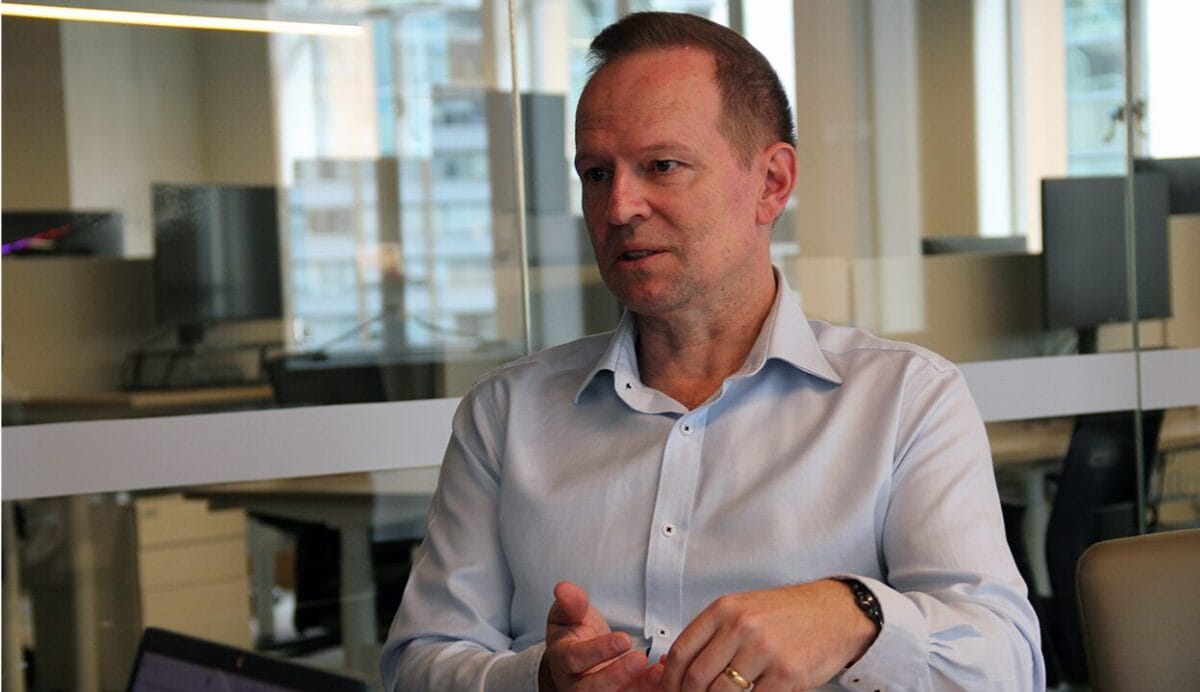
Phil Anderson, Association of Financial Advisers chief executive, said the proposal was a point of concern.
“With the proposal to move away from FASEA-approved undergraduate degrees to a requirement for a degree that includes eight subjects in the nominated relevant fields, the new advisers who might qualify to enter the profession of financial advice, would be doing this with significantly less specific financial advice knowledge,” Anderson said.
“For this reason, the expectations for the professional year would need to change significantly to ensure that they had the foundation level of knowledge on financial advice.”
More obstacles
Given the low amount of provisional advisers that had joined the industry, it could create another obstacle for the industry which was having difficulty recruiting.
“We are concerned about the implications of this as it would mean that these new entrants would be less employable in a financial advice practice and thus make it even more challenging for small business owners to employ them,” Anderson said.
“It might be that some kind of bridging course would be required, however it is also noted that it would be more likely that new entrants would transition through customer service and para-planning roles before they could be considered for a professional year opportunity.
“From a practice perspective, it would probably make better sense for the further study to take place before commencing the professional year, rather than as part of it.”
Ben Marshan, Financial Planning Association of Australia head of policy, strategy and innovation, said the FPA had been comfortable with the education part of PY and did not see why it needed to be changed.
“Fundamentally all of these proposed education changes should be considered in the context of Treasury’s Quality of Advice review, not changed at this point when it isn’t clear whether they have or haven’t achieved the desired outcome of raising the professionalism of financial planner and improving access to professional financial advice for consumers,” Marshan said.
“Specifically in relation to PY education, we don’t think enough new entrants have been through PY to assess whether the education they do during PY is of enough quality or too little at this point.
“There is nothing stopping them doing AQF8 subjects at the moment, but there is also sufficient flexibility that where they are their supervisor identify a non-AQF course of quality which they would benefit from, they could do this.”

















Leave a Comment
You must be logged in to post a comment.