


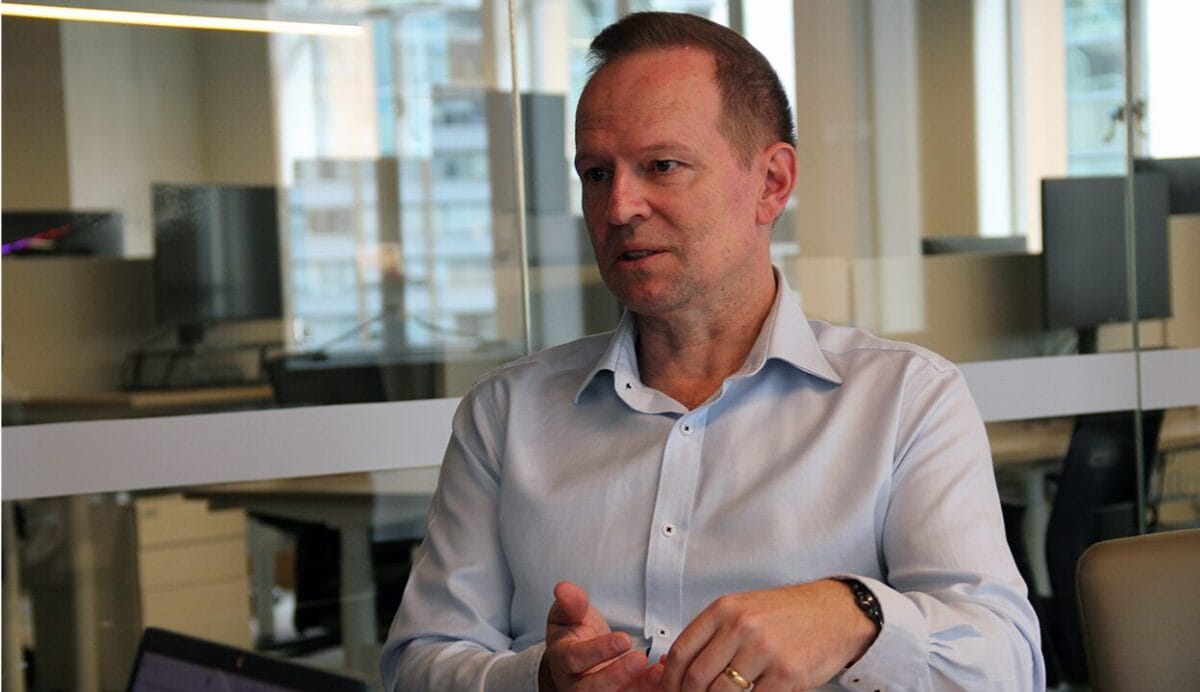
A lack of engagement with “community” – in particular with clients of financial advisers – will undermine FASEA’s approach to building the optimal framework for a new profession, Deloitte partner and the statutory body’s former CEO, Dr Deen Sanders, has told Professional Planner.
Sanders, who is currently engaged in a consulting capacity with a number of licensees adapting to the demands of the new Code of Ethics, said: “more and better engagement is needed if this current push for the advice industry to galvanise as a profession is to work.”
“We all want this to work, but I don’t think the current approach is giving us our best chance, because I struggle with the assumption that you can regulate a profession into existence,” Sanders said during an interview for Professional Planner’s new Ethics & Professionalism for Financial Advisers podcast series, which will be publish starting in mid-February, 2020.
“You can regulate for compliance or for clearer rules and perhaps that’s what we now have, but professions are a construction of the community, they are a relationship that individuals within the profession use to guide and connect with each other… If we have to transact around rules, or understand rules or be driven by rules, that’s not what ethics or professions are about,” he said.

Sanders was the inaugural CEO of FASEA; he left less than a year into his tenure and before the issuance of the latest Code of Ethics, to pursue his preference for “shaping the tools over making the rules” as he described to this publication late last year.
Sanders is currently a partner, governance, regulation and conduct at Deloitte. Previously he was head of Australia’s Professional Standards Authority which is responsible for the oversight of Australia’s regulated professional communities. Sanders was also previously the chief professional officer at the FPA in charge of leading the global standards development process for financial planning.
One of the shortcomings of the Code of Ethics and the new professional standards is the way they have been handed down as rules rather than through a process of discussion, Sanders explained.
“An essential element in the development and oversight of professions is that connection to community. I don’t just mean the regulated participants, I mean the voice of the clients. Not necessarily the voice of complainants who have a particular lived experience, but the community largely, who also want to see positive things embedded. We must be asking – how do we engage in that conversation,” he said.
Since publishing guidance on its contentious Code of Ethics standards in November, FASEA’s Glenfield and members of the statutory body’s board have conducted multiple rounds of consultations with licensees, education institutions, industry associations, consumer representatives and industry regulators.
The successful emergence of a profession won’t be determined at these meetings, Sanders reckons.
“There is a great deal of work that licensees and advisers need to do in readiness for the introduction of an ethical, professional framework for financial advice. If you take the view that professions are born from a collective discussion, then the first step is to involve the collective, meaning they should involve the voice of participants, they should involve the voice of community, we should all be in a public conversation about what these things mean and how business, advisers and clients adjust to them. Dictate is not a recipe for a profession,” he said.
The level of anxiety and debate the advice industry is having in relation to the Code of Ethics indicates it’s not serving to encourage the positive conversation that professions are meant to be about, Sanders said.
“It’s distressing to see the level of anxiety. The idea of professional discussion is meant to be about negotiating this with each other. Notwithstanding the room for improvement in drafting of particular standards… the challenge for licensees and advisers is to work with each other to ask ‘how do we put the right ingredients in place to allow the profession to emerge?’ To suggest it’s going to come because the law says it will or to wait for FASEA to tell you it’s here, is actually flawed thinking,” he said.
Power in advisers’ hands
Australian Financial Services License holders are just now beginning to focus on the role they’ll play in a new world where community and regulator expectations are putting the onus on the individual adviser to create and maintain higher ethical and professional standards, Sanders noted.
The law relating to advice is not about licensees or financial services providers or corporations in Australia generally, the law is focused on advisers, Sanders noted.
“It puts an enormous amount of power in the hands of advisers – we haven’t fully realised the amount of power advisers can exert back up the machine. I want to see that conversation emerge too,” he said during a wide ranging interview.
When you hold the power to say to a provider ‘your product is crap, I’m no longer prepared to put this in front of my client,’ that’s a different level of power than we’ve ever had,” he said.














Leave a Comment
You must be logged in to post a comment.