

Financial advisers should segment clients based on their needs to deliver better outcomes for their clients and their business, according to new research launched today from leading life insurer AIA Australia.
AIA Australia commissioned the Beddoes Institute to prepare the white paper entitled “The Advice Challenge”. Almost 450 current advice clients were surveyed in March 2015 to investigate what they want from their advisers, and how advisers and insurers might deliver more value to them.
The research revealed that when it comes to advice needs, clients can be grouped into three categories: ‘value seekers’ (59%), ‘personalised advice seekers’ (27%) and ‘purists’ (14%).
For value seekers, who made up the majority of the insurance adviser base, the top two drivers of value in their relationship with their adviser were ‘significant value for money’ (17%) – with 62% reporting that they received this from their financial advisers – and ‘quality communications’ (13%) – with 79% reporting satisfaction in this area.
For the second biggest group, those seeking personalised advice, the top two value drivers were ‘tailored insurance advice’ (31%) – with 91% of this segment reporting that they received this from their advisers – and ‘claims management assurance’ (9%) – with 56% of the segment reporting that they received this from their advisers. The final ‘purist’ group reported ‘tailored insurance advice’ (44%) and ‘ethical and independent advice’ (23%) as their top two value drivers.
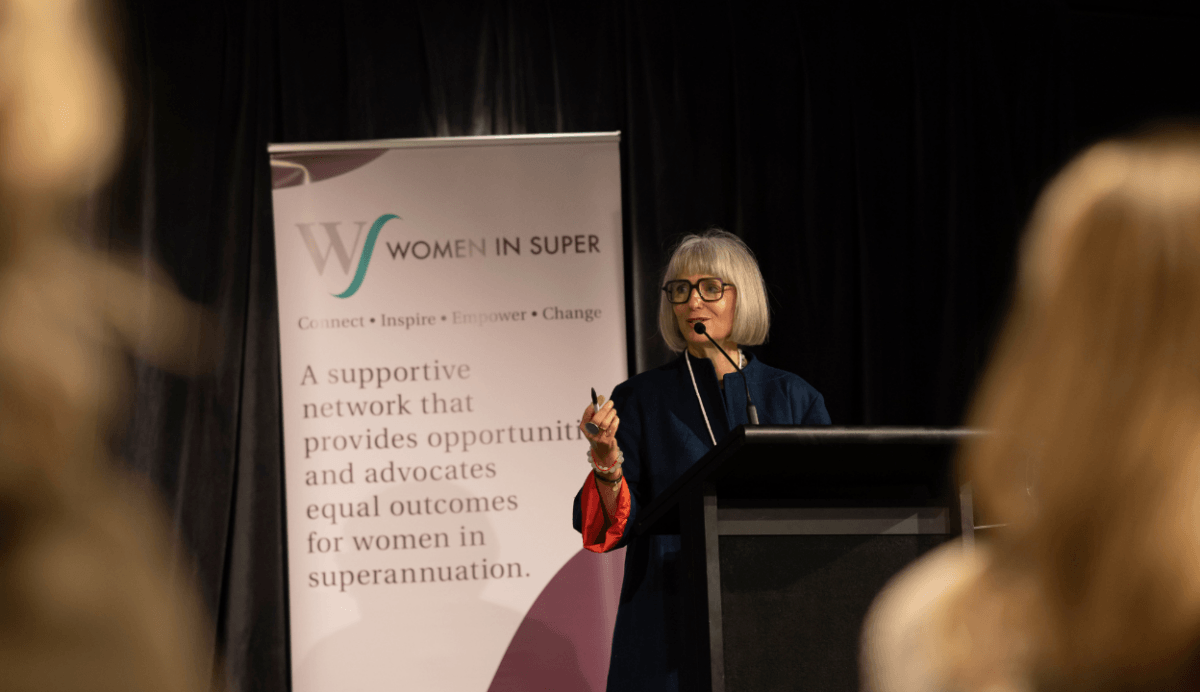
“Overall, the results indicate that advisers appear to be managing all clients uniformly and not addressing the specific needs of each client segment. By taking this approach, advisers are expending resources to delivering services that are not as valued by clients and missing an opportunity to focus on what matters most,” said AIA Australia Chief Retail Insurance Officer, Pina Sciarrone.
“The results of the research reveal that by effectively segmenting their clients, advisers may become more attuned to what each segment wants and provide a more valued service designed specifically to its needs,”, said Ms. Sciarrone. “By meeting the stated need of the each client segment, it’s also likely that adviser-client loyalty will increase for all segments.”
The paper also highlighted that out of all the touch points insurers have with clients, the management of a claim is the area they can add the most value. Respondents said they want to know that it will be easy to make a claim; that the claim will be managed empathetically by their insurer and that the insurer will support them in recovery with rehabilitation, if appropriate.
While 87% of respondents had not experienced a claim before, the assurance that the experience will be positive was paramount.
The paper also reported that 75% of clients highly value being able to reduce their life premiums by participating in a health and wellness program.
Ms. Sciarrone said the findings were a useful guide to better understand what clients’ value and that AIA Australia has already made significant progress in embracing a client-focused culture.
“In line with the findings, we are constantly looking at ways to assist advisers in better meeting the demands of their clients.
“When it comes to handling claims, this involves looking at what we can do to support, assist and encourage claimants so that not only do they feel confident and reassured by the process, but also that they are able to think about returning to the workplace in some form if that is possible for them.
“In terms of health and wellness programs, we are the first life insurer to adopt this system in Australia with the introduction of AIA Vitality.
Our customers’ health and protection has always been the core focus of AIA Australia’s business and introducing AIA Vitality was part of our continuous commitment to provide our clients with innovative tools to help ensure that they can lead healthy and fuller lives with their families,” said Ms Sciarrone.


















Leave a Comment
You must be logged in to post a comment.