


BNY Mellon will target financial advisers operating in the self-managed superannuation fund (SMSF) space as it expands its product and client services in Australia.
Firmly in the investment manager’s sights is the one per cent of SMSF capital presently invested offshore, a figure it hopes to grow as investors become open to opportunities in emerging markets.
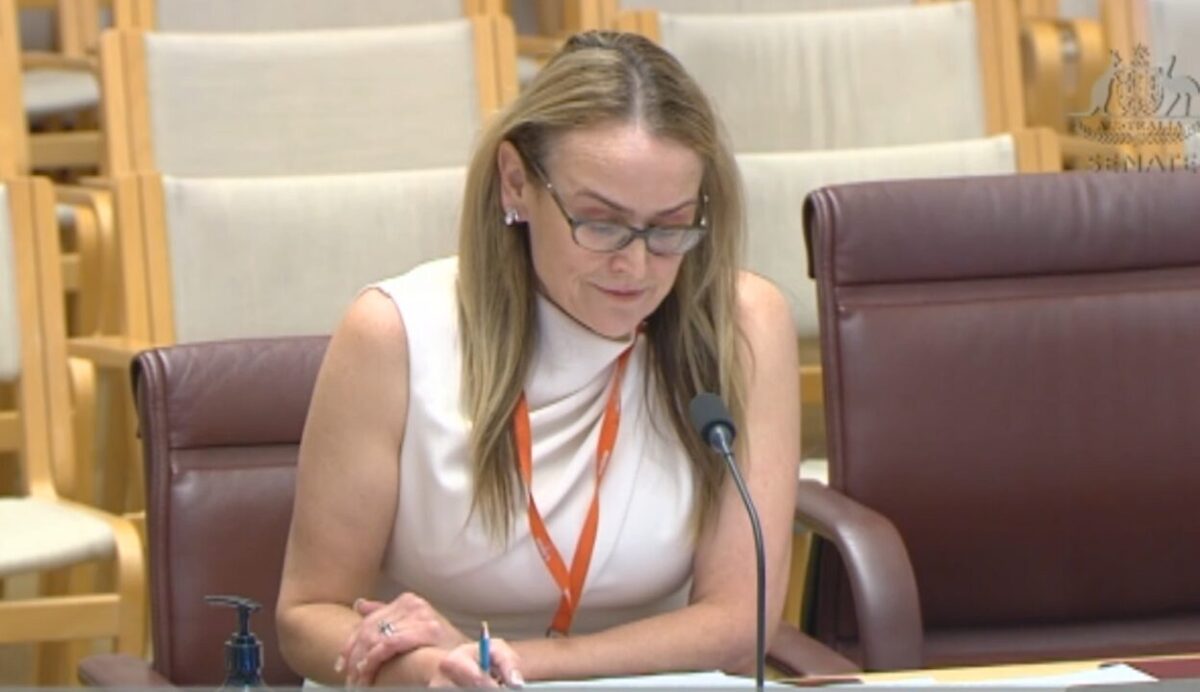
BNY Mellon has appointed Brigette Leckie as vice president – intermediary relationships in Australia, a new role, with the head count likely to increase.
According to the investment manager, the position has been created to support the company’s planned expansion of product and client services tailored for the SMSF segment and intermediaries who specialise in this area.
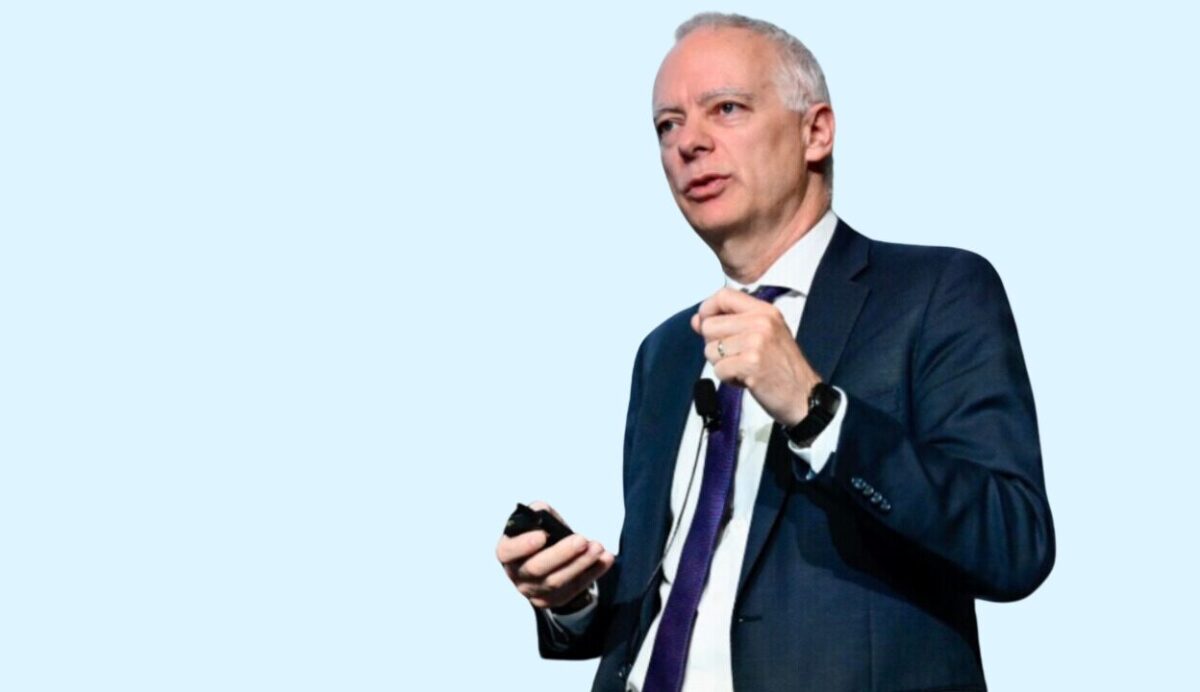
Based in Sydney, Leckie will report into Bruce Murphy, managing director for BNY Mellon Asset Management Australia.
“The SMSF segment is the fastest growing in Australia, but as yet, has not embraced global investing as a way to diversify risk and improve returns,” said Murphy.
“It’s easy for investors to be reactive to negative headlines on the state of the global economy rather than being in a position to make a well informed assessment of their investment opportunities.
“For example, the emerging markets are offering increasingly good opportunities as the developed economies continue to bump along with little or no growth.”
Murphy says BNY Mellon’s focus will be on specialist investment strategies, which are “tried and true” offshore, but have not yet been available for Australian investors.
Leckie was most recently director of investment strategies at Alliance Bernstein.













Leave a Comment
You must be logged in to post a comment.