
Produced in partnership with HUB24.
The job of representing the interests of financial advice in Canberra has historically been left to a slew of industry associations, but practising advisers and their supporters are being urged to play a more active advocacy role to help drive progress and ensure the profession advances and evolves for the benefit of Australians.
This was one of the main points of consensus reached at the Professional Planner Advice Policy Summit at the National Press Club of Australia last month, at which senior representatives of the nation’s leading advice businesses and licensees, industry participants, regulators, policymakers, and consumer groups gathered to debate and discuss the profession’s current challenges and bright future.
Key challenges raised included lifting productivity and putting capacity back into the system so advisers could help more people.
Delegates agreed that technology, particularly new technologies like AI and automation, would be crucial, alongside the development of alternative advice propositions, and attracting and mentoring talent.
Neil Younger, group CEO of Australia’s largest licensee, Entireti, said the entire ecosystem had a role to play in expanding capacity, including “stopping things that constrained capacity” alluding to overregulation.

Regulatory simplification
Wealthadvice principal Marisa Broome said simplification and clarification of the rules and regulations would go a long way towards making it easier for advisers to help Australians live their best lives.
“I’m not calling for a reduction in standards but simplification,” she said. “We don’t want more regulation but better enforcement.”
Central Wealth principal Michael Grech agreed. Grech, who has over 20 years’ advice experience, said advisers needed to get more involved in advice policy and to push for simplification and less red tape.
“We need sensible policy that lets professional advisers provide advice,” he said. “We shouldn’t have to produce a novel to give some basic advice and there should be some concessions for advisers with an unblemished long-term record of delivering strong client outcomes.”
Unlocking productivity using tech and data
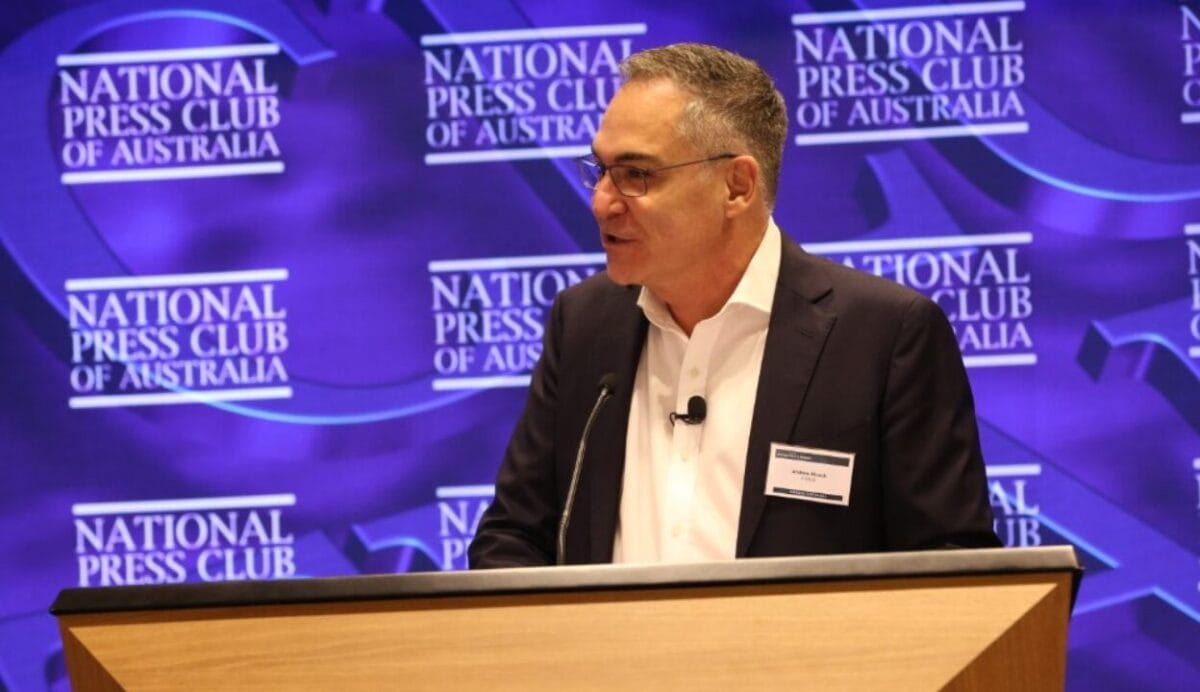
HUB24 managing director and CEO Andrew Alcock told the summit in a keynote address that he was focussed on forward-looking solutions that enhanced productivity. He said the key to advice accessibility and affordability lay in finding ways to deliver quality advice at scale, which required scalable systems and technologies. Problematically, the legacy systems that many advice businesses use “don’t scale well,” he said.
“The gap between Australians who need advice and those who can access it is getting wider,” Alcock said.
“It’s a sobering thought given the purpose of our industry and the advice profession and why we’re all here. It’s getting harder to give advice not easier so we need to turn our mind to how we can do better.”
DBFO as a consumer protection
The government’s proposed Delivering Better Financial Outcomes reforms promised to remove red tape and ease the compliance burden, but its delay means advice businesses must turn their attention to adopting and integrating technologies like AI and automation to streamline processes and boost productivity.

At the summit, Minister for Financial Services Daniel Mulino said the DBFO reforms were a “high priority” for the government and acknowledged that their passage would help protect consumers against fraud and scams by boosting access to forms of professional advice. The comments came despite Mulino casting doubt over the legislation’s future just two weeks earlier, when he refused to commit to the reforms this calendar year and said the Shield and First Guardian crisis had complicated the project.
In the absence of regulatory reform, HUB24’s Alcock said advice businesses and their partners, including platforms, needed to invest in infrastructure and technology to drive productivity and underpin the profession’s long-term growth.
“Technology enables us to do a better job, and we need to leverage it to close the advice gap,” he said. “Advisers provide a critical service, but they are constrained by admin and compliance, and technology can create efficiencies, increase productivity, and enable them to spend more time with clients.”
Alcock added that data was the key to maximising the impact of technology.
“Platforms have done a great job of making advice implementation faster, better and smarter but there are frictions in other parts of the process, such as information gathering and formulating and presenting advice,” he said.
“These are some of the areas we need to work on across the industry to make advice more accessible.”
Consumer catharsis
At the summit, consumer advocate Melinda Kee, who leads the Shield and First Guardian victims’ group, SOS Save our Super, gave her personal account of the impact of the failed First Guardian Master Fund.

Kee’s address was the highlight of the two-day event for Tony Bates, principal of self-licensed firm, 1 Wealth.
“The whole room sat in silence and listened, appreciating her frankness and courage,” he said. “Without any anger or emotion, she talked about the issues and problems she sees, and it was very well received.”
“Every part of the industry was represented in that room and there was a recognition that we have a shared problem and responsibility.”
Akumin CEO Matt Lawler described day one of the summit as “cathartic”, referring to Kee’s speech articulating the “human impact” as a victim of the Shield and First Guardian scandal and day two was “thought provoking” as it dived into topics like technology and automation, digital advice, and retirement strategies.
Lawler, who serves on the summit’s advisory board, noted a material increase in the number of representatives of self-employed advice firms and profit-for-member super funds.
“Every part of the value chain was represented, which was really important,” he said. “We all have a common purpose which is to support Australians to optimise their superannuation savings whilst working and then use what they’ve accumulated to support a dignified retirement.
“There’s a lot we align on but there are still a few areas where we need to work together more to present a united front to government and Minister Mulino.”
Similarly, Nathan Jacobsen, chief operating officer of AZ NGA and chief executive of Vital Business Partners, was pleased to see so many people from across the industry in one room, fully engaged in the conversation, and focused on achieving better outcomes for clients and members.
“There appeared to be strong support for implementing DBFO and fixing the CLSR [Compensation Scheme of Last Resort,” he said. “Ultimately, we’re all focused on doing a good job and delivering stronger outcomes to our clients and members.”
Advancing the profession
According to Gene Youl, principal of Silvan Ridge Wealth, every industry participant, especially the larger players, has a role in educating policymakers about the value of advice and the challenges facing advice businesses, most notably, the growing advice demand and supply imbalance, and the difficulty of attracting young people to the profession.
“We all have a responsibility to champion the benefits of advice and contribute to the growth and success of the profession,” he said.
“This important job can’t be left to one particular group. We all need to help rebuild the profession, and a key part of that is celebrating the good that we do and positioning advice as an attractive career path.”
Attending the summit for the first time, Aged Care Steps’ directors, Assyat David and Louise Biti, said licensees had a responsibility to attend these types of forums to educate policymakers about the real-life impact of legislation and provide constructive feedback to industry bodies and decision-makers.
“We’re here to raise the visibility of issues around strategic advice and aged care advice, and even though that wasn’t the focus of the Summit, we were still able to start the discussion,” David said.
Oreana Partnerships general manager Belinda Barclay said the summit’s speakers, the diversity and seniority of delegates, and networking opportunities made it a unique, must-attend event.
“All the sectors and players in attendance were connecting on the importance of financial advice and regulatory reform,” she said. “It was important that we engaged as a group across retirement providers, advice providers, professional bodies and regulators to discuss challenges and a path forward.”
According to Findex head of advice Jonathan Scholes, large licensees have an obligation to lift standards and positively influence outcomes for clients.
Scholes, who is also a member of the Financial Services Council’s advice board, would like to see reforms that support advice businesses to produce simple, concise and streamlined client-facing documents.
“A big talking point around DBFO is simplification and Melinda’s session raised a number of questions around the length and complexity of advice documents, and all the fine print,” he said.
“Simplification would increase the likelihood of people reading documents and becoming more educated and informed, which [is] something that we all want to see.”
Next steps
A key objective of the summit is to create a forum for licensees, practice principals and super fund advice executives to engage policymakers and regulators and have their say in the formulation of policy settings that enable the advice profession to thrive.
However, attendees agreed that they didn’t need to wait for regulatory reform to take practical steps to boost productivity and increase their capacity to help more people.
Some of those actions included exploring alternative advice models, maximising the use of data, leveraging AI to drive practice efficiencies and promoting the value of advice and advice as a career path to attract more people to the profession.
The near-term test will be whether these initiatives translate into measurable efficiencies for advisers and a clearer pathway for new entrants, while policy reforms continue to move (or stall) in the background.
The summit highlighted the advice sector is at an inflection point: policy reform remains important, but progress can’t be outsourced to Canberra. The next chapter will be defined by how quickly the profession can simplify, collaborate, and use technology to lift capacity, so more Australians can access advice, while also strengthening the profession for the long term.