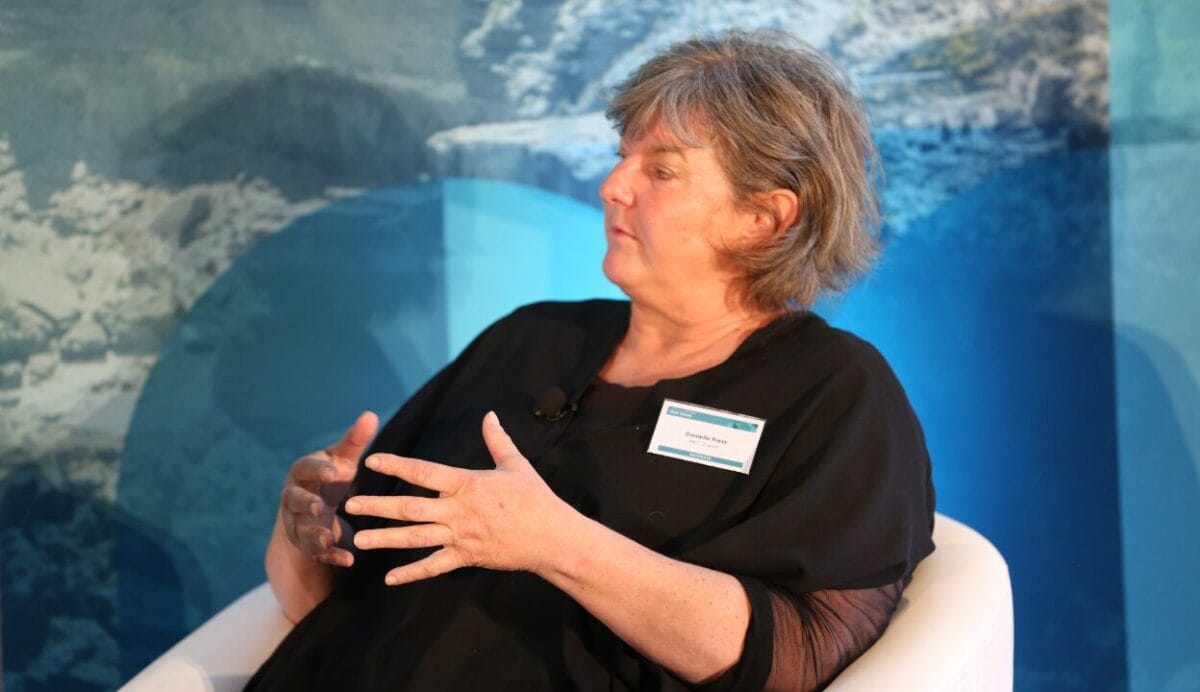

Former ASIC Commissioner Danielle Press has quit a governance committee established by ASX-listed Sequoia Financial Group just seven months after she was recruited to help lift governance standards at InterPrac Financial Planning.
Press was appointed as an independent chair of an AFSL governance committee last August. Professional Planner understands she resigned about two weeks ago and will officially finish up with the company at the end of the month.
Sources close to Press said she had joined in a genuine effort to lift standards but had become disillusioned with the company’s direction, and was unhappy with the group’s interactions with ASIC and the Australian Financial Complaints Authority.
Professional Planner approached Press for comment. A spokesperson for Sequoia confirmed Press had stepped down as chair of the committee.
InterPrac is being sued by the regulator for oversight failures of its authorised representatives that were involved in distribution of the Shield and First Guardian funds. ASIC acted over concerns investor money was being misused for personal expenses and high-risk, related-party investments.
InterPrac is the licensee that authorised Ferras Merhi, whom the regulator has treated as a central part of its investigation and who is alleged to have received millions of dollars from the funds to help market and attract investors through lead generation campaigns.
ASIC has also alleged Merhi was responsible for signing 6000 Statements of Advice within a three-year period.
Sequoia revealed in its half-year results last week it would end a cross-guarantee between its licensee subsidiaries that would have ended shared liability, but ASIC intervened on 2 March to prevent the revocation of a so-called revocation deed.
The industry response to the Shield and First Guardian collapse was a key topic at the Professional Planner Advice Policy Summit last week, including during a Q&A session with the leader of the Shield and First Guardian victims’ advocacy group.
Sequoia managing director and chief executive officer Garry Crole declined an invitation to attend the summit but in written correspondence to Professional Planner reiterated his position that the trustees that offered Shield and First Guardian should use operational risk reserves to remediate consumers.
“I have attempted and failed to have meetings with the minister, APRA, and other parties in regards to our ORFR submissions and to seek fairness aligned to the Corporations Act,” Crole said.
Crole also criticised AFCA, which is unable to hear or determine complaints against all parties involved in product failures such as Shield and First Guardian.
“The downstream consequence is that the CSLR trigger becomes disproportionately dependent on the failure or closure of the adviser’s AFSL,” Crole said.
“In effect, the system risks concentrating liability at the distribution end of the chain, regardless of whether responsibility was shared more broadly across product design, governance, audit, and oversight functions. This is not an argument to avoid liability. Where advisers or licensees have breached their obligations, accountability should follow.”
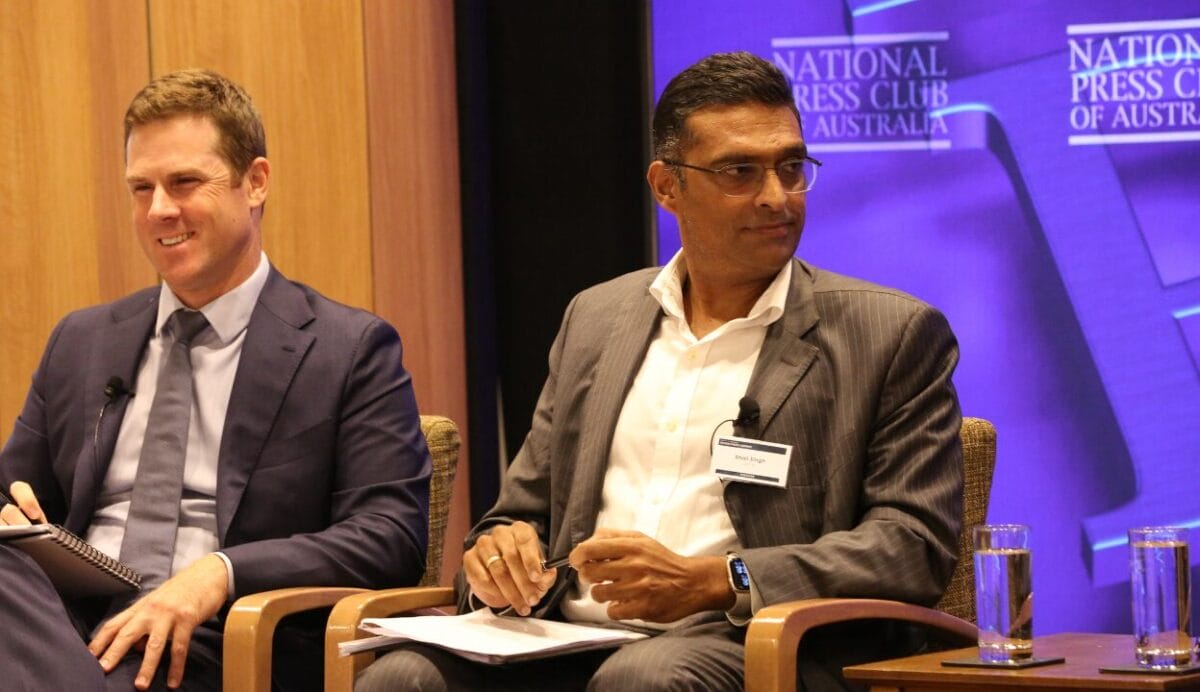
The correspondence from Crole was referenced on stage during a summit panel session with AFCA lead ombudsman for advice Shail Singh, who said in response that the breach of best interest duty is a non-apportionable breach of the law.
“If you breach best interest duty the adviser is 100 per cent liable,” Singh said.
“We can do what’s fair in the circumstances, and if it’s fair to do so we could apportion between relevant parties, but the reality is that some of them aren’t AFCA members. The research houses aren’t AFCA members, we know the trustees are, but we also have a limitation around management of the fund as a whole. Decisions to put investments on a platform can’t be looked at by AFCA.”
Concerns over AFCA’s jurisdictional limit have been raised in the industry, and the Financial Advice Association Australia has advocated for managed investment schemes (MISs) to be AFCA members and to be liable for consumer remediation.
The Financial Services Council heavily advocated against the inclusion of MISs in the CSLR when the former Coalition government tabled the CSLR bill in 2022.
Despite Labor supporting MIS inclusion in the CSLR while in opposition, the Albanese government backtracked on that when it introduced legislation after forming government in 2022.
At the Advice Policy Summit, FSC chief executive Blake Briggs said including more parts of the chain within AFCA’s remit and the CSLR wasn’t a viable solution and would only turn the external dispute resolution and compensation schemes into a bigger “beast”.
“It’s a very cathartic approach to say we should push everyone into the CSLR,” Briggs said.
“Now, no offense to the CSLR operator and AFCA, but it is a boondoggle, it is a huge beast now that has a lot of cost built into it. It is unconstrained, it’s blown past all the estimates.
“What we need to do is make sure that people get timely and a basic level of compensation when they deserve it but not create this nanny state mentality that we’re going to underwrite all risk in the system.”