
The so-called inquiry into the collapse of Dixon Advisory has been quietly scrapped, with the new Senate Economics References Committee declining to continue the review.
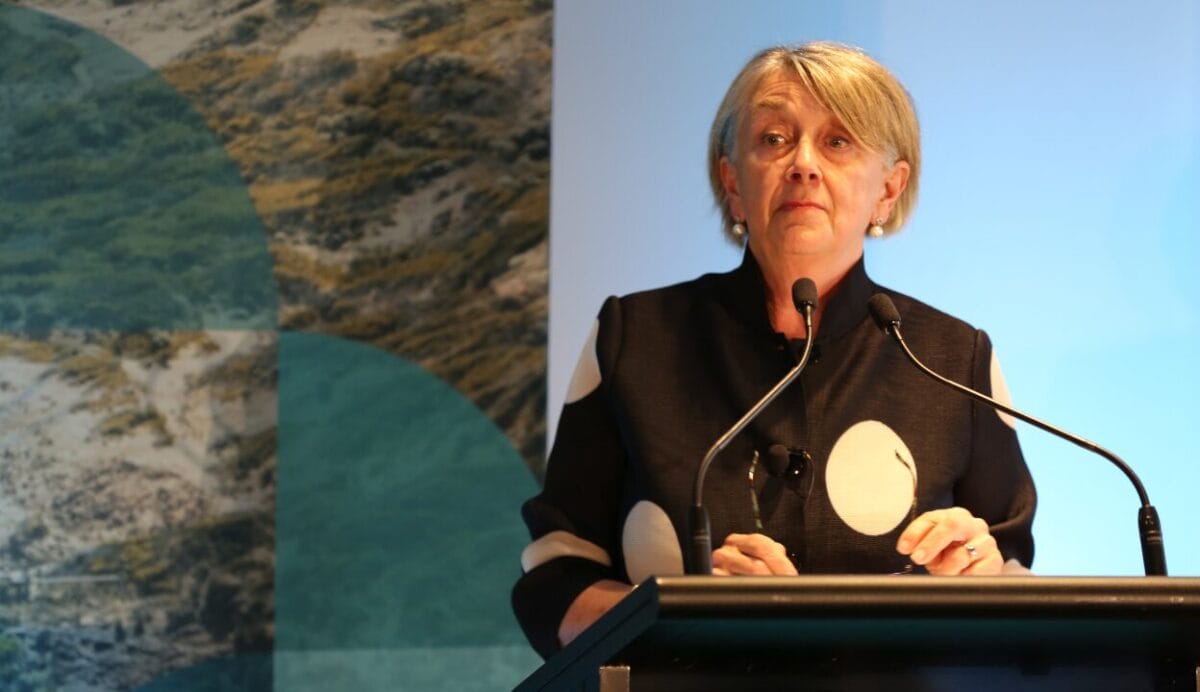
Officially known as the Inquiry into Wealth Management Companies, it will not be re-adopted by the 48th Parliament, according to a notice signed by committee chair and former Minister for Financial Services, Senator Jane Hume.
One Nation Senator Pauline Hanson secured a motion to launch an inquiry which would assess the impact caused by the collapse of wealth management companies and the implications this has on the sustainability of the CSLR.
Dixon Advisory was the catalyst for inquiry, after its parent company E&P Financial Group placed the subsidiary into voluntary administration due to mounting legal and financial liabilities, which meant clients of the firm could pursue remediation from the CSLR.
The report was originally due by the last sitting day of March 2025, which was subsequently extended to 28 July 2025, but the inquiry instead lapsed at the end of the 47th Parliament.
Financial Advice Association of Australia (FAAA) chief executive Sarah Abood said it was an important inquiry with implications for the sustainability of the CSLR.
“The FAAA is deeply disappointed that the Senate Economics References Committee has recommended that the inquiry into wealth management companies not continue,” Abood said in a media statement.
The association was further perplexed by the move given the collapse of the Shield and First Guardian master funds.
“This scandal makes it clear that the issues the inquiry was investigating are not resolved, and that the misdeeds at Dixon Advisory are not an isolated case,” Abood said.
“It betrays the victims, and all consumers, who have put their faith in the government to fully investigate these collapses so we can understand how they happened, and what can be done to prevent them in the future.
“We call on all members of parliament to support the reinstatement of this critical inquiry, with an extended remit to include the collapse of Shield and First Guardian. We owe it to the victims not to walk away from this.”
Despite the Dixon inquiry lapsing, Treasury still has two reviews into the CSLR ongoing: one launched by former Minister for Financial Stephen Jones in January that would review the scope and funding model of the scheme, and another launched by current Minister for Financial Services Daniel Mulino that was required by law after the CSLR officially lodged its FY26 levy estimate that confirmed the financial advice subsector would exceed the $20 million remediation cap.
The government has yet to release any findings on the former consultation, which was meant to address the broader design of the scheme, while the latter was to assess funding options to cover the $47 million excess in the FY26 levy estimate.
The Advisers Association, which represents the former AMP licensees, published its submission to Mulino’s CSLR review saying the advice sub-sector has already paid its fair share of claims by meeting the subsector limit and the special levy should be covered by a wider base.
“In principle, any special levy should be spread as widely as possible and across as many people as possible; eg across all the sub-sectors with AFCA members,” the submission, signed by CEO Neil Macdonald said.
“As the levy is charged to firms who did not provide the cause of the claims, it is not based on blame, as none of the solvent participants being asked to pay the levy were to blame for the amounts due.”
The association argued a genuine last resort scheme would ensure that early action was taken to minimise losses and that action would be taken against directors and advisers responsible.
It further agued that the scheme should cover genuine capital loss of retail clients rather than being assessed on a “but for” basis, alluding to the controversial provision used in AFCA determinations.
“Claims should be correctly and proportionally allocated to the sub-sector that is the root cause of the claim, which could include licensees, researchers, platforms, vertically integrated product providers and not just the advice sub-sector,” the submission said.
“Spreading the compensation over a longer period should not be considered as it does not provide good client outcomes and merely ‘kicks the can down the road’.”
The FAAA had already raised similar concerns to funding the CSLR special levy and believe it should be spread as wide as possible.