


The most compelling investment opportunities for the next three to five years is the ongoing cycle around AI and what it takes to power it: technology, energy and infrastructure are likely to be there for the foreseeable future, UBS group chief executive Sergio Ermotti told the UBS Australasia Conference in Sydney.
Ermotti said the question around AI isn’t on the economic value creation as he is convinced “we’re going to see a huge secular and positive outcome”, the question is around how quickly that result will come, which he thinks is “exaggerated” and will take longer than expected.
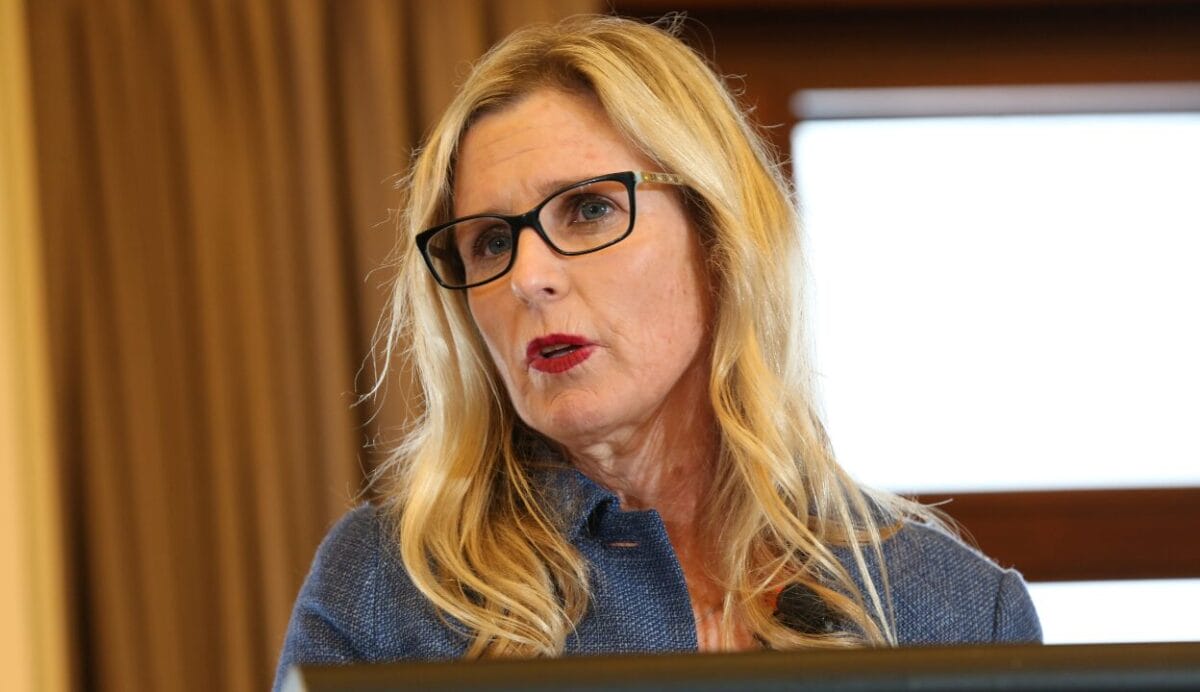
Sarah Hunter, chief economist and assistant governor (economic) at the Reserve Bank of Australia spoke earlier about how gains from transformative technologies take longer to emerge than expected.
But it isn’t just about AI. Ermotti also points to the energy transition as a major theme, alongside longevity and health. For him, the best way to manage thematic asset allocation is to look at how these themes come together
“Of course, this country is going to benefit a lot from these AI trends, potentially through the commodity cycles and in different shape or form. No matter if you look at the more conservative asset allocation in which gold is likely to continue to be a safe haven, particularly if we continue to see inflation. But also, when I look at copper, many other rare minerals, and that should play well into this country’s economic developments. But of course, the three themes I mentioned, in my point of view, are going to be still very central,” Ermotti said.
Hunter said how the build-out of AI infrastructure is likely to affect commodity markets, increasing demand for electricity, other energy resources, and some critical minerals.
“For now, these effects are difficult to separate from the broader energy transition that’s underway. But AI-related investment is becoming an increasingly important source of commodity demand,” Hunter said.
“AI may impact on people’s consumption through increases in productivity and national income, which could lift aggregate consumer spending. Anticipating this, some households may start consuming more today or in the near future before the impact of AI on the economy’s potential growth is fully realised by saving a bit less or borrowing a bit more to bring forward spending.”
Ermotti downplayed the influence the US mid-term elections may have on the market, saying that it is “yet again a new development” but the market will find a modus operandi.
“If you look at it from an investor standpoint of view, I’m convinced very quickly we’re going to go back into debating growth, inflation, the AI cycle, and a lot of other topics that seems to be much more relevant.
“Politics change all the time. The landscape globally is becoming even more complex, with more problems coming every day, and without the old ones being resolved. And if you add on everything else, from an investor standpoint of view, we need to stay very focused on what we can control, and this is our priority: in advising clients in their asset allocation not to overweight short-term political issues,” Ermotti said.
He sees strong opportunity in Australia, which ranks fifth globally for wealth per adult.
“[Wealth] is a good element between capital markets, corporate businesses, but also wealth creation and the opportunity to really exploit this trend that we discussed before around AI.
“We will continue to invest, particularly now, for example, in asset management in institutional space. We are present, we are competitive, but I think we can do better. I think we will also look at expanding our business in this area,” Ermotti said.








Leave a Comment
You must be logged in to post a comment.