


When it comes to portfolio construction, the investment community commonly speaks in acronyms and ratios – SAA, TAA, DAA, 60/40, 70/30 and the associated parlance.
The jargon is so casual that it can make investing sound straightforward and formulaic, which it is anything but.
Labels like “60/40” and “balanced” are convenient shorthand, but advisers at a recent Professional Planner roundtable questioned how much they revealed about the drivers of portfolio returns and outcomes.
The roundtable, hosted in partnership with Global X ETFs, also examined different styles of investing, including value, growth and growth at a reasonable price (GARP), which blends earnings growth, quality and valuation criteria.
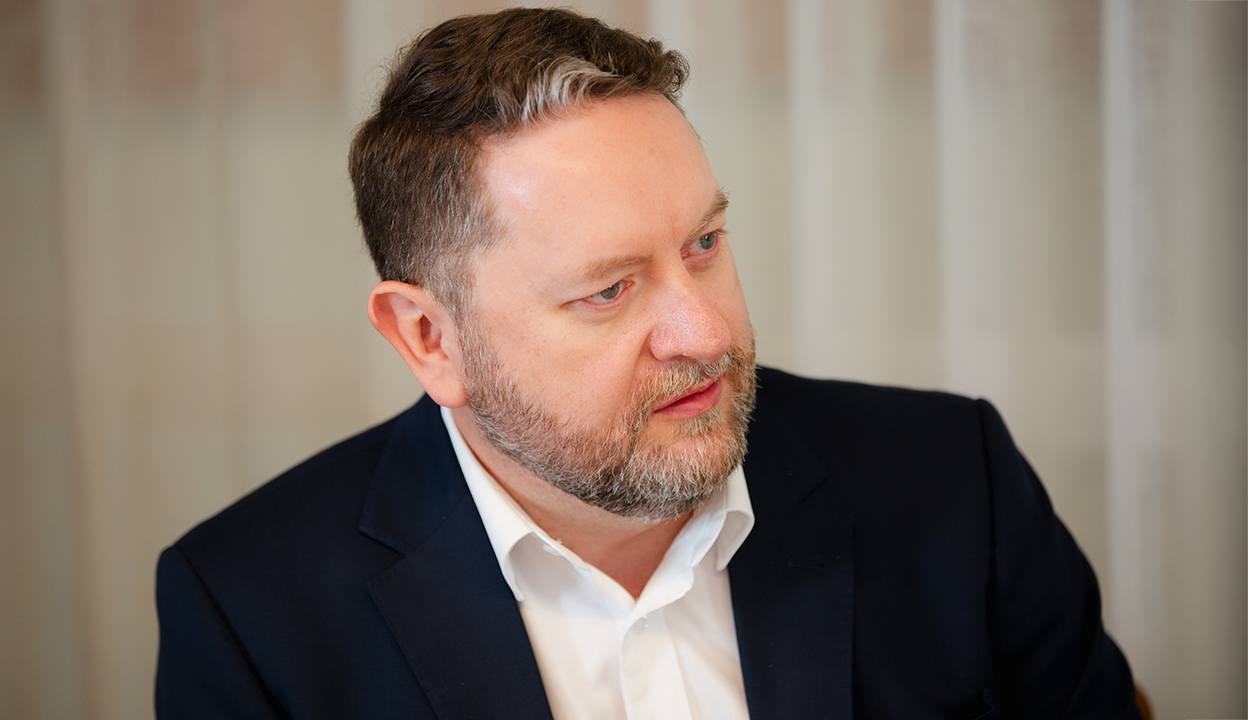
Shane Brereton, senior investment consultant at Genium Investment Partners, described commonly used labels like balanced and moderate balanced as “spurious” in terms of what investors are actually getting.
“If you look at moderate/balanced/growth portfolios, which is where most clients sit, there’s a strong allocation to growth because long-term investors need exposure to growth, but those assets carry more risk, which needs to be adequately managed,” he said.
“Because definitions of growth and defensive can be quite broad, another useful way to think about things is capital return versus income return as that widens the potential buckets that assets get put into.”
Brad Creighton, co-chief investment officer at arcpoint OCIO, said classifications like 60/40 stemmed from modern portfolio theory; the mathematical framework for building portfolios to maximise expected returns for a stated level of risk.
“The 60/40 portfolio remains well understood and highly relevant, and it’s not going anywhere anytime soon,” he said.
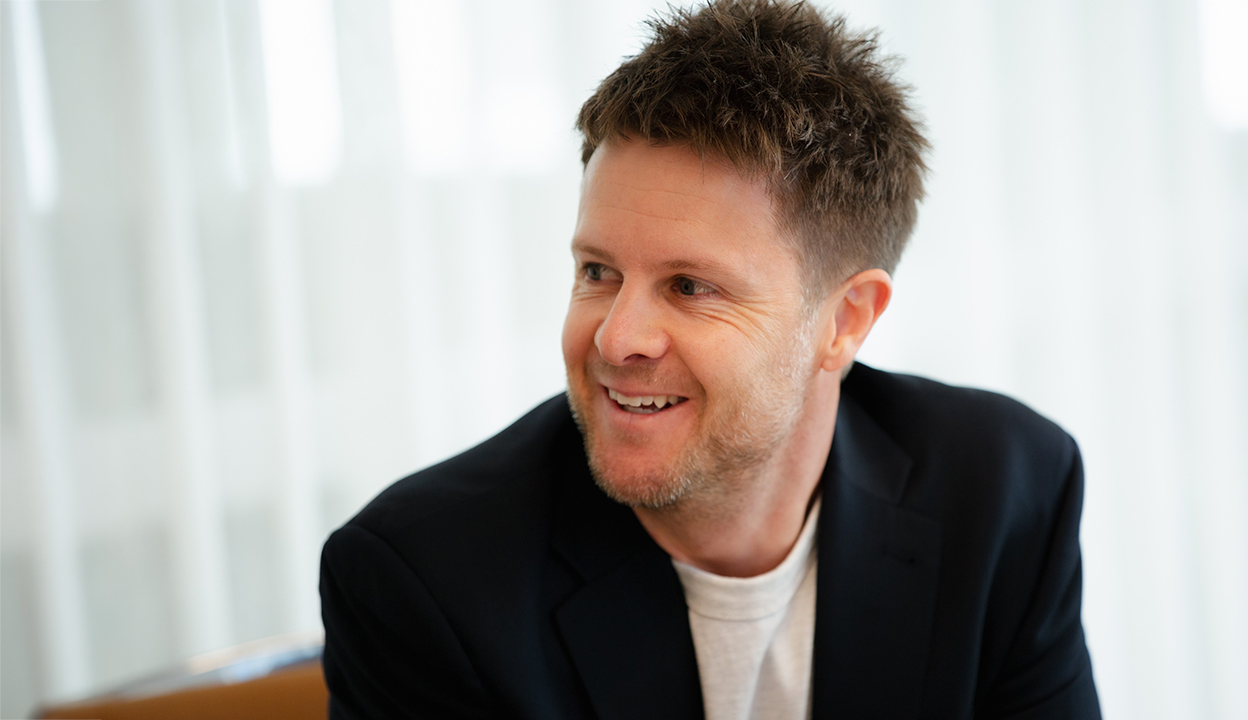
However, one area that the industry could pay greater attention to, said Creighton, is being “more targeted and purposeful” in terms of the managers and factors used to populate the growth and defensive parts of a portfolio.
Marc Jocum, senior ETF strategist at Global X ETFs, pointed out an emerging trend to sub-divide allocations, for example, instead of a 60/40 split, some portfolios had a 60/20/20 split while broadly maintaining the same strategic asset allocation.
“There’s more granularity in that the 40 per cent may not be just in cash and fixed income, it might be 20 per cent in cash and fixed income and 20 per cent in alternatives,” he said.
Investment research firm, Morningstar, uses a valuation-driven approach that calculates implied returns for each asset class to build portfolios.

Bianca Rose, senior portfolio manager at Morningstar reiterated the case for a healthy allocation to bonds in a diversified portfolio, adding that portfolio construction had become more nuanced than simply stocks versus bonds.
“Within the [defensive] category, there is liquid and illiquid credit, and there are also alternatives,” she said.
“With alternatives, we’re seeking diversification benefits so we’re looking at how it can act as a diversifier to duration credit and equities. We also look at the drivers of returns, for example, does a manager and strategy make money from PE expansion or EPS growth or income yield?”
At financial planning firm Thirdview the make-up of a client’s portfolio and asset mix falls out of the advice process, according to the firm’s principal Peter Foley.
“We focus on risk and return, instead of growth and defensive, because bonds aren’t necessarily defensive and shares aren’t necessarily just growth,” he said.

“Given the distortions in the market, which are real and having an impact, there are more factors to consider, and a portfolio’s growth and defensive allocation is an outcome rather than a starting point.”
Tony Davison, partner at People and Partners, agreed that a client’s personal circumstances, needs and objectives shaped their financial strategy and, in turn, portfolio, however, investors generally needed around half of their portfolio in growth assets to fight inflation.
“We’re not prescriptive about having half your money in growth or 60/40 because it’s more task-oriented and we try to integrate strategies around tax and structures but, as a guide, having around 50 per cent in growth assets across the entire portfolio can help manage inflation risk over the long term,” he said.
Understanding a client’s “risk tolerance” and “risk capacity” is extremely important, said Blake Cullen, senior financial adviser at Evalesco Financial Services.

“We have clients that have different objectives for different money, and we need to consider both their tolerance and capacity for risk. For example, some clients have specific investment timeframes,” he said.
“They may have a high tolerance for risk but low capacity. This means they may not be able to take on a large degree of risk because the money is earmarked for some sort of liquidity event in the medium term. On the contrary, there are clients with a high tolerance and capacity for risk. It can be expected that these types of clients would likely suit a higher allocation to growth opportunities within their portfolio.”
For high-net-worth clients with vast and broadly dispersed wealth, their superannuation and investment portfolio represents only one small part of their balance sheet, and their different investments are often pursuing different objectives, said Nicky Boustred, partner and senior adviser at Koda Capital.
“What we’re trying to do is plug gaps and determine their true objectives,” she said. “You really have to analyse what they’re looking for and then identify the source of the return. Sometimes you can get an equivalent return [to Australian equities] taking much lower risk.
“It’s harder to get the long-term returns from that lower point but managing your client’s psychology is also important.”
The psychology of investing
As clients age, retire and stop earning an income, they naturally become risk averse and, in most cases, decrease their allocation to growth assets. Portfolio construction techniques, such as bucketing, can be an effective way to keep clients invested in the market and psychologically comfortable with risk in retirement because they understand that their portfolio is set up so they can ride out periods of volatility.
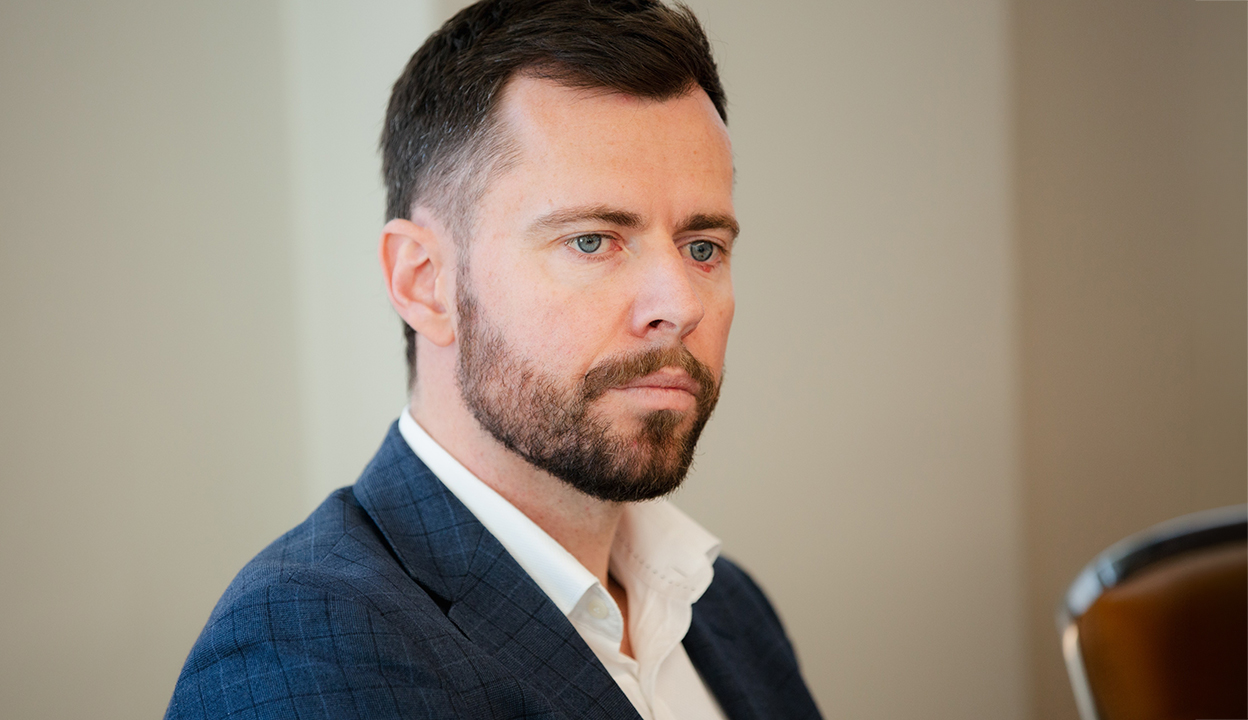
Josh Phillips, senior asset consultant at Evidentia, described the goal of portfolio construction and financial modelling as “offsetting uncertainty with clarity”.
“We need to change the [client] mindset of; markets are down, call my adviser,” he said.
Using the hypothetical example of a client with a risk profile of 70/30 growth and defensive who is concerned about the higher allocation to growth assets, Phillips said educating clients about the different roles that different parts of a portfolio play can change the conversation.
Interestingly, it’s often clients who don’t quite have the asset-base to support their lifestyle that are more willing to maintain their exposure to growth assets in retirement, according to Sarah Gonzales, chief investment officer at Apt Wealth Partners.
“They worry that their assets will stop growing, however, for clients who have a larger asset base or the capital to fund their lifestyle that isn’t as big of a concern,” she said.
“They’re more likely to pull back a little on growth.”

The psychological impact of seeing a pile of money that has effectively been growing for decades start going backwards can’t be underestimated, said Koda Capital’s Boustred.
“Advice is also about managing a client’s mindset as they move into decumulation and reassuring them that it’s okay to see it go backwards because that’s what it is designed to do,” she said.
Looking beyond style labels
When it comes to the different investment management styles – the most well-known being growth and value – investors need to pay greater attention, especially when employing a “core-satellite” approach, Phillips said.
“With core-satellite, the index core is becoming a style in itself given the index’s exposure to the US and the AI thematic,” he said.
“We spend a lot of time regressing returns and looking at holdings to assess how managers actually behave so we have a good sense of the style that investors are actually getting.”
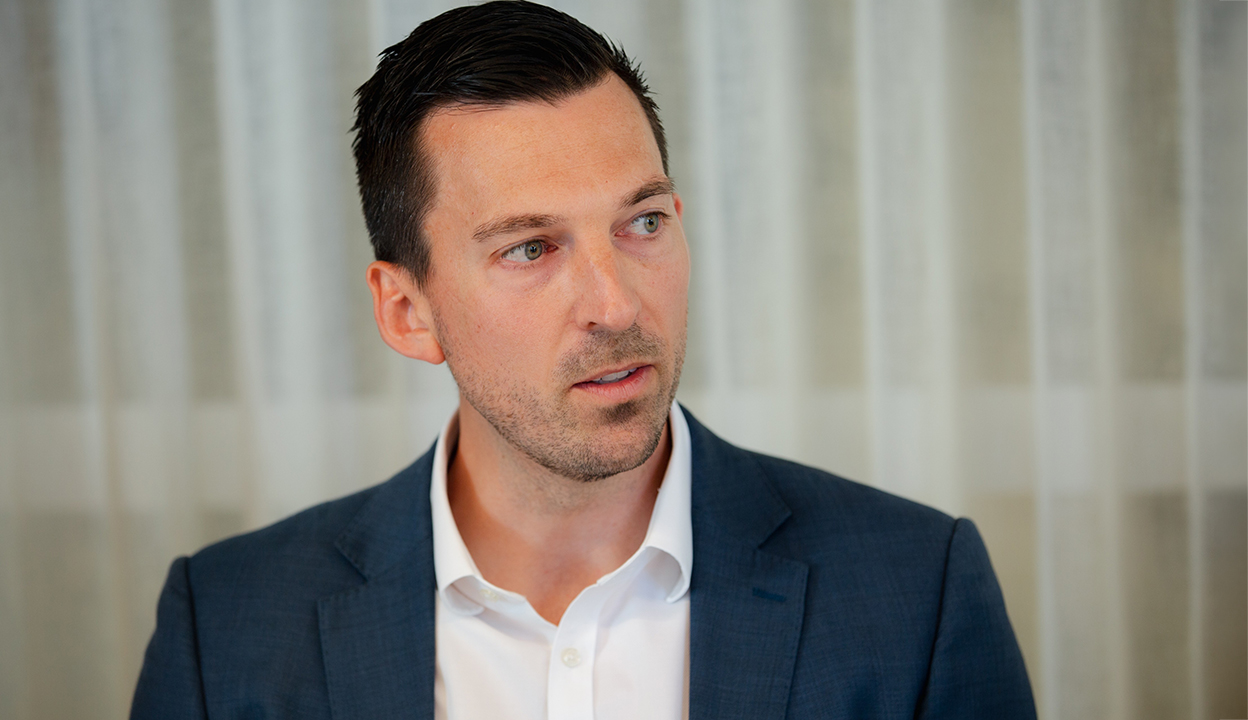
Over time, style definitions have evolved, said Genium’s Brereton, citing the transition of some value managers to “quality managers”.
“Definitions are still a useful guide in that, a growth manager is generally going to buy stocks with earnings growth, sales growth, margin expansion and anything that they think is going up and value managers will buy something that they think is underpriced by the market,” he said.
“Both think that their picks are going to go up but it will be at different rates and different levels of risk.”
In terms of performing consistently, each style will have its moment in the sun, said arcpoint OCIO’s Creighton.
“Whether it’s value, quality, growth or growth at reasonable price, [performance] is episodic, so you’ve either got to be able to rotate or have a manager that rotates dynamically through styles,” he said.

“If you invest in a portfolio thematically, then you’ll naturally have some style biases.”
“Style leadership may be episodic, but that is also an argument for blending complementary characteristics rather than making an all-or-nothing call between growth and value”, Global X ETFs’ Jocum said.
Irrespective of a manager’s style “label”, investors and advisers need to understand how their managers are invested and their “predefined role and objective” in a portfolio, Phillips said.
“You might look for a value manager because you’re after slightly defensive characteristics but if your value manager has a high exposure to semi-conductors that are trading at five-times, it may not be giving you the type of exposure you’re after,” he said.
“We’re thinking about things differently because it’s less about style and more about factor exposure. For example, we’re looking at how much exposure a manager has to AI as a factor as opposed to whether they’re growth or value.”
Global X ETFs’ Jocum said styles, factors and themes described different aspects of a portfolio. He defined style as a broad investment orientation, factors as a measurable characteristic used to construct and analyse portfolios, such as value, quality or momentum, and themes as structural trends, such as artificial intelligence and digital disruption.

“Looking through all three lenses can give advisers a clearer view of what is driving outcomes,” he said.
Jocum said investors should focus on identifying diversified factors that offer distinct sources of return, rather than simply selecting an investment style, as many underlying companies can exhibit characteristics that span multiple styles.
As an example, he highlighted that semiconductor stocks are prominent in both growth ETFs and value ETFs, and had been a key driver of the solid performance of value in the past few years.
“We’re seeing a rise in thematic investing with thematic ETFs now accounting for 10 per cent of global equity ETF flows, which is a significant increase from a decade ago when it was more like 3-5 per cent,” he said.
“Smart beta and factor ETFs are still very popular and account for 20 to 25 per cent of flows, but investors are using thematic ETFs for the satellite component of their portfolio and taking a more style agnostic approach.”
People and Partners’ Davison said the ultimate test was performance.
“It doesn’t really matter if you ended up with constituents that were value-orientated or growth-orientated, it starts and ends with results,” he said.

“I don’t tend to think about [style] too much, I focus on results. At the end of the day, the big drivers are interest rates so if you have a growth bias and falling rates or some other style and falling rates, simplistically, whether it’s growth at a reasonable price or something else at a reasonable price, the emphasis is whether the asset is reasonably priced.”
“If [reasonably priced] is the starting point then you’re not necessarily making a bet on a particular sector but you’re looking for a menagerie of sectors or styles or approaches to achieve your objectives.”
That emphasis on price is central to the GARP investment style.
“Rather than chasing the fastest-growing businesses or the cheapest multiples, it asks whether the price paid is justified by a company’s expected growth and underlying quality – a discipline designed to guard against both overpaying for growth and buying apparently cheap companies whose fundamentals are deteriorating,” Jocum said.
Thirdview’s Foley can see the benefit of styles as long as they are “true to label”, as they provide a way for managers to stand out.
“Rigorous research is important because you need to discern if a label is just a point of differentiation or if it has merit,” he said.
Ultimately, results matter, but it’s also important to understand where returns come from.
“Factor analysis can help advisers separate intended exposure to characteristics such as earnings growth, quality or valuation from performance driven by an unintended concentration in a single sector, theme or handful of stocks,” Jocum said. ”As traditional style boundaries blur, looking through the label to what a portfolio actually owns, and the role each part is meant to play, may prove more useful than predicting which style will lead the next stage of the cycle.”




















Leave a Comment
You must be logged in to post a comment.