

The government’s decision to remove “but for” losses from the scope of Compensation Scheme of Last Resort payouts has exposed divisions between the industry, which welcomes the reform, and consumer groups that have described it as a watering down of critical reforms stemming from the Hayne royal commission.
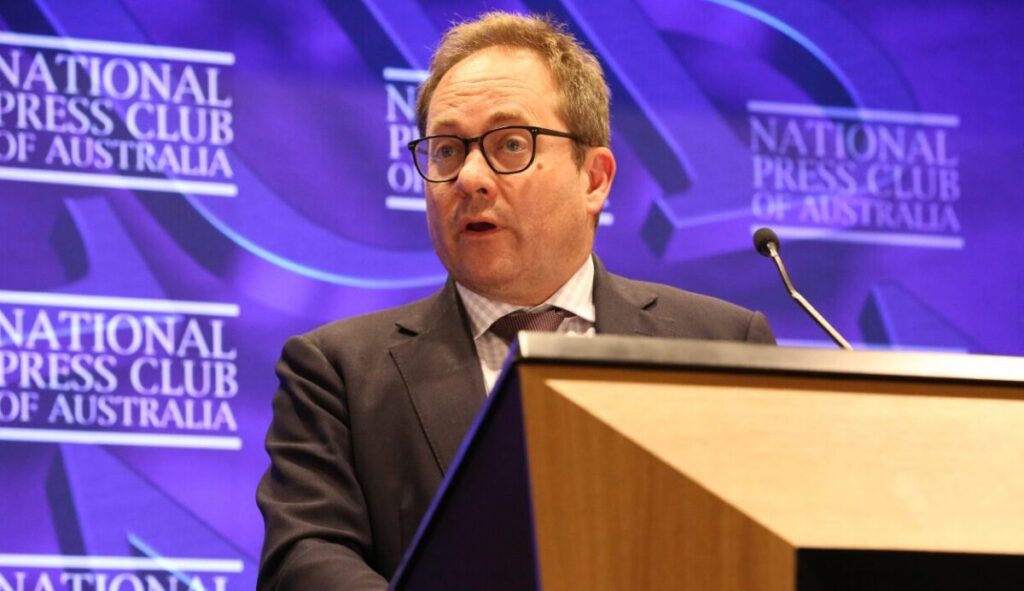
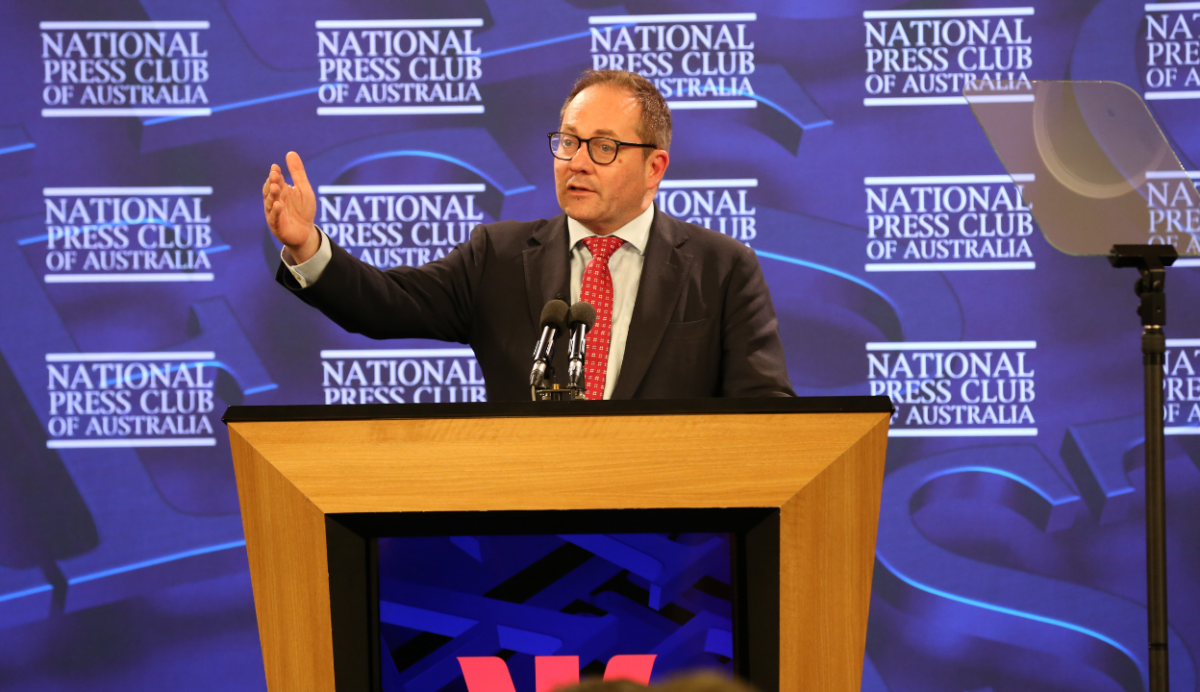
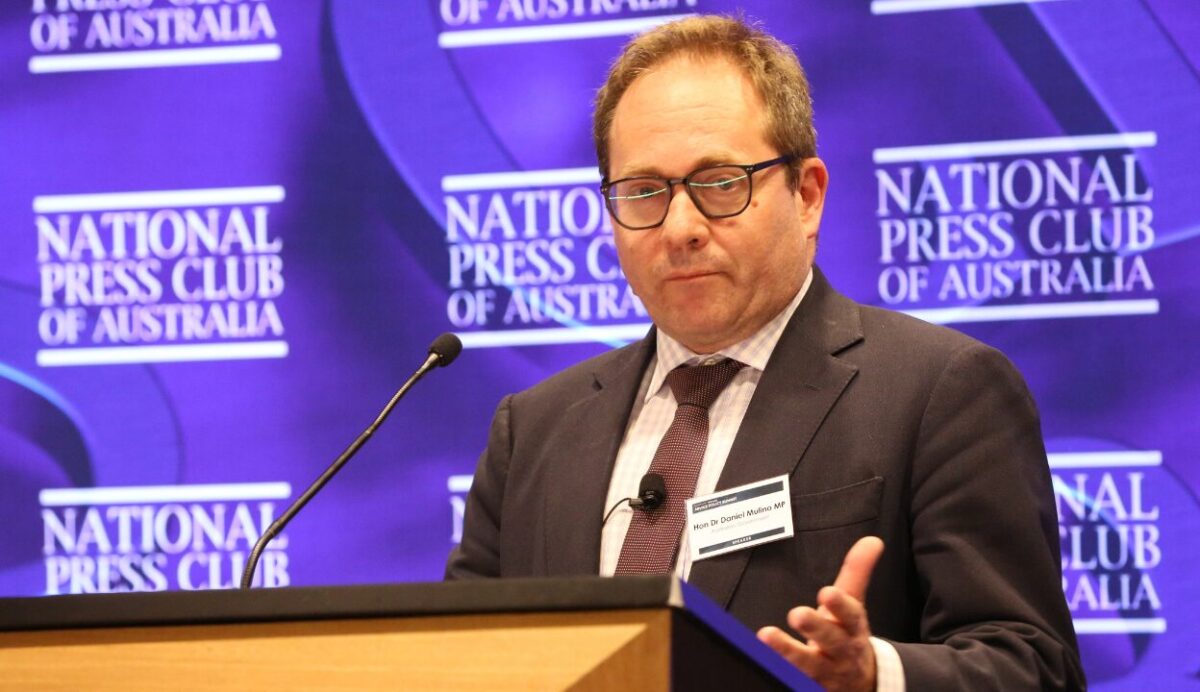
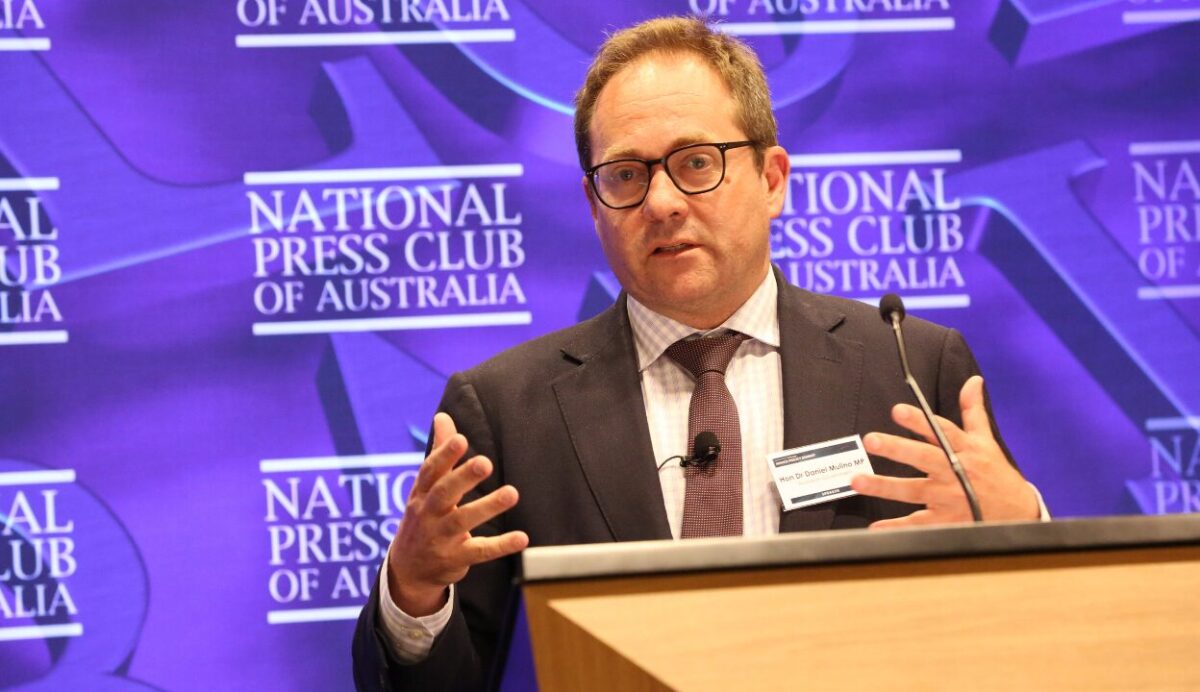
Assistant Treasurer and Minister for Financial Services Daniel Mulino said in an address to the National Press Club on Wednesday that CSLR compensation would be limited to actual investment losses rather than “but for” gains for AFCA applications lodged after 30 June 2027; that a waterfall model would be applied to the $170.3 million special levy attributed to the advice subsector for 2026–27; and that SMSFs would contribute to future levies.
He also confirmed a new class of adviser confined for at least three years to APRA-regulated super funds and life insurers; targeted best interests duty reform to enable easier provision of scaled advice; a limit confining the anti-hawking exemption for advice to existing client relationships; and a legislated obligation on super trustees to cap advice fee deductions.
Financial Advice Association Australia chief executive Sarah Abood said the “but for” change was one the association had long advocated for.
“Basing CSLR compensation on actual losses is a decision we’ve pushed for consistently, so we are pleased the Minister has heeded this,” Abood said.
Stockbrokers and Investment Advisers Association chief executive Maria Lykouras said “compensating counterfactual outcomes extends beyond the role of a last-resort safety net”, but said the association has an issue with the start date.
“The changes limiting compensation to actual losses will not come into effect until 1 July 2027, which means industry will continue to be subject to these ballooning costs for some time,” Lykouras said.
Financial Services Council chief executive Blake Briggs said this year’s CSLR costs are almost $200 million, and that the scheme has “become unsustainable”.
“The FSC recognises the government has made important decisions to bring the cost of the scheme under control. A sustainable CSLR will ensure its long-term survival as a consumer safety net,” Briggs said.
But consumer groups did not welcome the changes anywhere nearly as warmly.
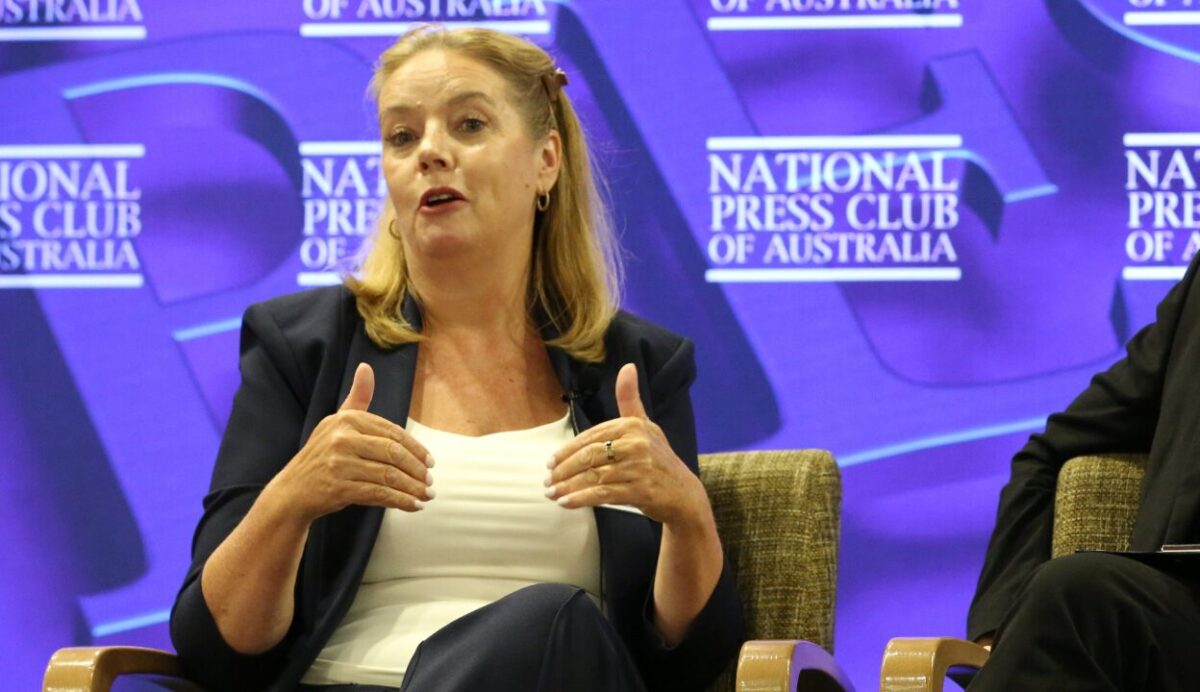
CHOICE head of policy Morgan Campbell said it is “extraordinary that Labor, who campaigned so hard to bring the Hayne Royal Commission about, are now the first to water down one of its legislated recommendations, barely two years after it came into effect”.
‘Much more misconduct’
Campbell said advice carried a large part of the funding burden because “there is so much more misconduct in the sector than anyone thought when the scheme was set up”, and that the sector “should be focused on cleaning itself up, rather than pressing the government to water down the compensation available to victims”.
Super Consumers Australia chief executive Xavier O’Halloran said victims of the two collapses lost an average of $100,000 each.
“Our modelling shows the government’s proposed change could cost them another $26,500 in lost investment earnings. This is real money people were counting on for retirement,” O’Halloran said.
Mulino did not nominate a final figure for the advice sector’s share of the levy, with allocation still subject to Treasury analysis and consultation on sector viability.
Abood said the absence of a number is a problem for members.
“We will continue to advocate to the government that financial advice should not pay more than $20 million in total CSLR levies and will work closely with the Minister to resolve this,” she said.
The Association of Superannuation Funds of Australia argued the funding base itself is wrong, saying the scheme had become “fundamentally unsustainable”.
“Members of institutional super funds have been helping to pay for a scheme they can never claim from. That was never fair. The principle should be simple: the sectors where the losses occur should fund the compensation,” ASFA chief executive Mary Delahunty said, adding that levying SMSFs is “a sensible and equitable approach” to sharing the cost burden.
However, the Super Members Council said the proposed changes to the CSLR unfairly shift the costs of financial misconduct onto “millions of everyday Australians with their retirement savings in safe, mainstream super funds who were not involved in the collapses”.
Mulino indicated that SMSFs will pay no more than an estimated $20 per fund per leviable period.
Accepting the decision
The SMSF Association has consistently opposed SMSFs paying a CSLR levy but said it accepted the government’s decision.
Chief executive Peter Burgess said the sector needs “to step up in the short term” because victims, including SMSF trustees, still have not been paid, but said he wants other sources of funding to be found.
“ASIC has secured a record $830 million in civil penalties, and we believe reform should be considered to redirect a portion of these funds back to the CSLR,” Burgess said.
The new class of adviser will be available only to APRA-regulated super funds and life insurers, with advice licensees and banks barred, commissions, bonuses and volume-based payments prohibited, and the impact of the reform reviewed in three years.
The FAAA said it was “disappointed that the new class of adviser [NCA] will be limited to select large institutions”.
“Consumers need choice in how they access this simpler, lower-cost form of advice. It should be an option for financial advice practices to allow them to help more Australians,” Abood said, adding that the FAAA will hold the government to account on its commitment that the new class not encroach on the work professional financial advisers do.
Council of Australian Life Insurers chief executive Christine Cupitt said the new class would “complement the vital work of professional financial advisers by giving Australians more choice about where and how they get help”, but said that the government “must give a clear timetable for the introduction of legislation as soon as possible”.
UniSuper chief advice officer Andrew Gregory cautiously backed the NCA, saying the fund supported it if it were “implemented with appropriate training, supervision and consumer protections, because it has the potential to expand access to financial guidance for Australians who currently struggle to obtain support due to cost, complexity or availability constraints”.
Implementation has to “deliver better outcomes for consumers while also maintaining confidence in the financial advice profession”, he said.
AMP group executive, platforms, Edwina Maloney said the best interests duty changes would be critical in increasing the supply of advice and noted that “quality advice is itself an important consumer protection”, but that view is not shared by the SMC, which said the best interests duty is a “crucial consumer protection [that] should not be weakened or watered down”.
Critical life events
The FAAA raised concerns that changes to anti-hawking rules – part of a broader crackdown on predatory lead generation practices – “could affect financial advisers’ ability to support clients and their families, particularly during critical life events”.
Further consultation on the measure needs to cover all reasonable contact between an adviser and clients, their families and related parties, and professional to professional referrals must be allowed, the FAAA said.
The FSC said the government “must now ensure that genuine advice conversations and legitimate referral arrangements continue to be permitted so that Australians’ access to financial advice and information is not inadvertently reduced”.
Industry super fund Cbus chief executive Kristian Fok said the crackdown does not go far enough, describing lead generators as “social media sharks” who “want to turn people’s super into their own feeding frenzy”.
“As long as the financial incentive behind these sales tactics remains, we will continue to see our members’ super savings targeted,” Fok said.
SIAA said it would carefully monitor the planned obligation on trustees to cap advice fee deductions from super accounts.
“The Corporations Act already provides a mechanism that enables clients to provide consent to deduct advice fees from superannuation accounts. Financial advisers are already subject to strong obligations to consumers, including the best interests duty,” Lykouras said.
SMC chief executive Misha Schubert said that when advice fees are deducted directly from retirement savings “there must be strong and consistent controls to ensure those fees are always fair and reasonable, and that the advice is always in the member’s best interests”.
Burgess said the SMSF Association was pleased advice fee caps would not apply to SMSFs, although Mulino said self-managed funds would be required to disclose to the Australian Taxation Office how much they pay in advice fees each year.
Delahunty said the reforms would empower funds to answer questions they currently cannot.
“Everyday Australians are increasingly excluded from financial advice by high fees and dwindling adviser numbers,” she said.
“Financial advisers play a crucial role, but there are not enough of them.” Simple advice through super funds “will not replace the comprehensive advice and planning work that financial advisers do”, she said.
Australian Retirement Trust, in a joint release with AustralianSuper, said the sector now wants to see draft legislation “so industry stakeholders can have confidence about the path forward”.










Leave a Comment
You must be logged in to post a comment.