
Super funds and insurers are already dealing with a surge in mental health-related insurance claims – but that might only be the tip of the iceberg, with new research showing that changes to state-based personal injury schemes will push more people towards super and insurance for claims.
“If you have a look at some of the changes that are happening in one particular scheme, it’s impacting others,” Dan Walton, EML group executive for strategy and growth, told the Insurance in Super Summit, hosted by Professional Planner sister publication Investment Magazine.
“The super and life industry are largely sitting at the end of the funnel, so that means a lot of people bounce out of different personal injury schemes and end up in life or super as the final part of their claim. That also means they might have had claims denied or a claims experience running for months before they end up at your door.”
The forecast is for income protection claims to increase by almost 20 per cent “in the next couple of years” – which is particularly problematic when mental health claims take more time and effort to manage.
“The median mental health claim now is seeing a worker off work for 24 weeks, and the median PTSD claim is seeing a worker off for nearly 50 weeks,” Walton said.
“The complexity that’s coming down the line for the super industry is only going to be exacerbated in the years to come, and the claims they’re looking after for those members are going to be harder to manage.”
For the circa $23 billion Team Super, which services mining and transport workers, mental health claims are an important component of the insurance tender it currently has out in the market.
“A lot of this is considered in our RFP [request for proposal]; someone came up to me before and said that was the longest RFP they’d ever received,” Tristain Reis-Freeman, chief strategy officer at Team Super, told the summit.
“We ran the gauntlet with our RFP and were nervous that we were excessively aspirational. We asked for a lot of things. There was a robust discussion around the operating model and how we require insurers to fit in. We want them to take up a much larger part of the value chain, we want them to be much more involved in the claims process and in administration. We want to simplify our ecosystem.
“So pricing, which would have been at the forefront 10 years ago, is almost a secondary consideration with some of these matters.”
Team’s mental health claims have been relatively stable, and Reis-Freeman says the fund is lucky that it hasn’t had to “pull some of the extreme levers” that others have, including substantial increases in premiums, to deal with them. The challenge is that it, like other funds, is “operating in a system of parts”.
“Each one of those parts has to work efficiently for our part to work. We’ve got the government, we’ve got workers’ compensation, we’ve got superannuation, we’ve got individual savings – everybody holds up their bit of the wall,” Reis-Freeman said.
“And as legislation has changed, we’ve seen one part of that system where stakeholders have let go of their part of the wall. We understand the reasons why that’s happened… If they reach the end of the funnel, it changes the severity of those claims, it changes the composition of those claims, it changes how we deal with those individuals at the end. It’s not just about the increasing volumes – it’s fundamentally changing the structures of the system in which we operate.”
To that end, more and more funds and insurers are trying to intervene earlier. Michelle Bradley, executive manager for insurance at the $150 billion Hostplus, says that the fund’s young member base gives it more education opportunities.
“We have a fairly young member base, and we invest a lot in education and awareness. We have a great onboarding journey. We have the privilege of being, for a lot of people, their first super fund, and we certainly lean into that. When they join, we do a lot of education and awareness on their options, including insurance.
“We also recently launched a health and wellness program with our main insurer, MetLife. I think all the insurers have a health and wellness program now. Also, we’re pushing that through the app, through our digital environments, we’re really trying to make that front of mind as well. None of it’s going to solve the whole issue of getting to people early, but it helps. It builds awareness of the different services that can be available to them.”
But no two mental health claims are alike, said Christine Cupitt, chief executive of the Council of Australian Life Insurers, who said that funds and insurers need to meet the expectation of governments, regulators and the community to provide tailored and flexible support.
“What we need to do is not drown in the complexity of that, but think about how it’s systemised,” Cupitt said. “The life insurance code of practice has just undergone a review. There are several recommendations in there about the approach to vulnerability – that the way to do it efficiently is to build it into systems, get people trained consistently, come up with appropriate ways of recording people’s individual circumstances so they don’t have to keep retelling their story, have ready access and warm handovers to support services.
“If we do that at a system level, then you have the opportunity to provide that tailored and flexible support, and make sure that people’s individual circumstances are taken into account.”
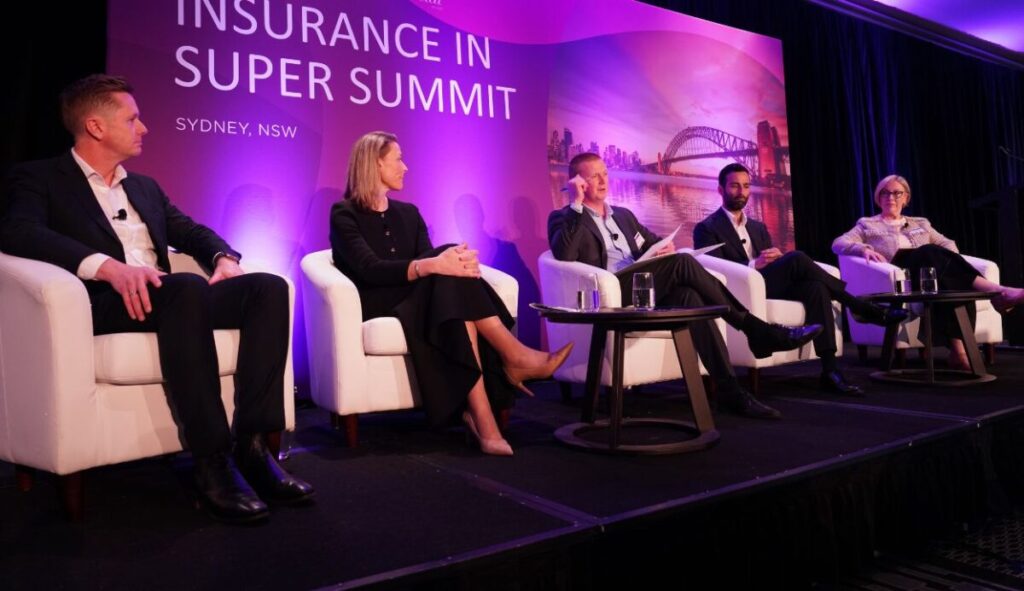
(L-R): Dan Walton, Christine Cupitt, Lachlan Maddock (moderating), Tristan Reis-Freeman, Michelle Bradley.

28 July 2026 16:04

Superannuation
Equip Super on track to boost member engagement with super and advice
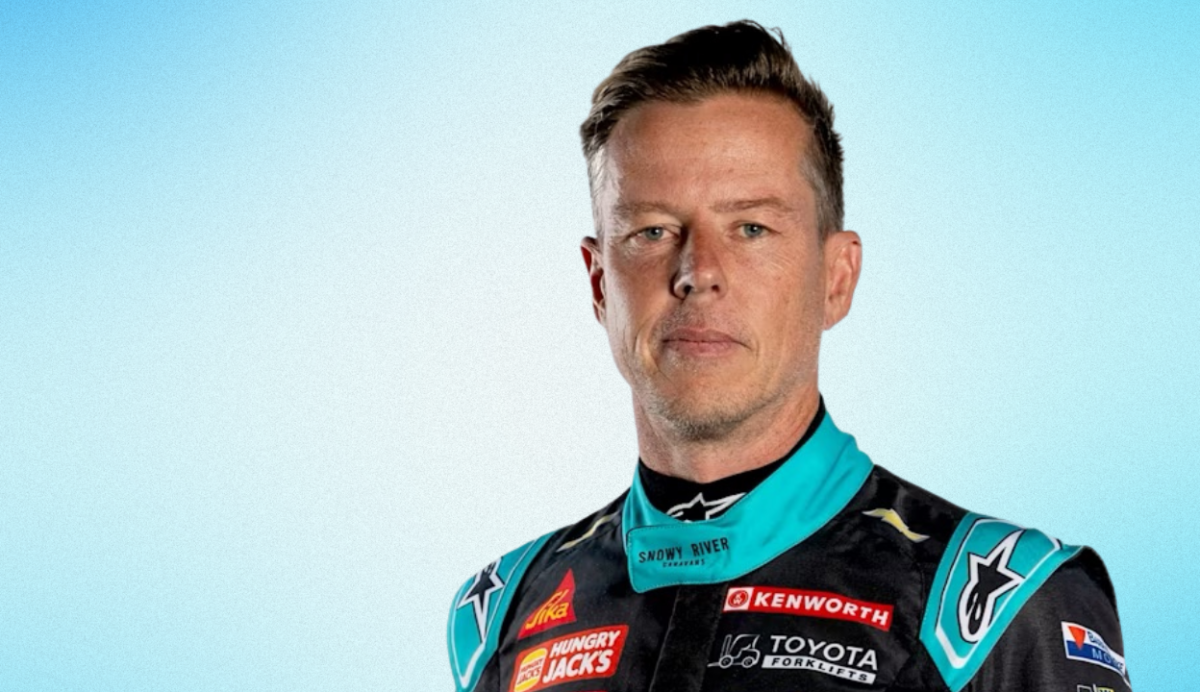
The $40 billion profit-to-member fund Equip Super has expanded its association with Supercars to appoint professional driver James Courtney as an ambassador to encourage more members to think about and act on retirement planning.








Leave a Comment
You must be logged in to post a comment.