


Shield and First Guardian investors that received advice via InterPrac Financial Planning are concerned about the capacity for the licensee to pay remediation claims after its sale by ASX-listed owner Sequoia Financial Group.
Sequoia announced InterPrac would be sold for $50,000 to Conquest Investment Partners, but little is known about the buyer other than it was registered in July 2024, around the time Sequoia notified its PI insurer about the failure of the Shield and First Guardian funds.
Concerns have been raised from Shield and First Guardian investors over the nature of this new entity, which has little available public information, and whether this new structure will be used to avoid paying any liabilities including client remediation either through court action or placing the licensee into voluntary administration.
Sequoia did not provide any further details about Conquest after a request for comment was made on Monday following the announcement of the sale, to address these concerns.
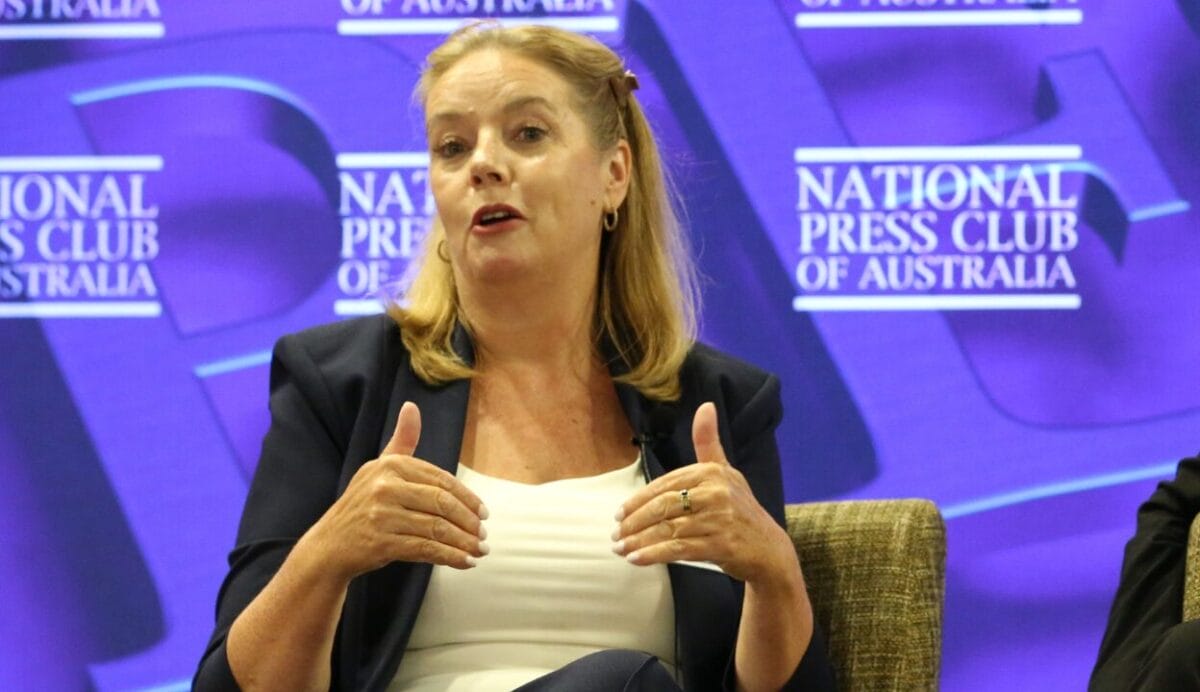
Melinda Kee, who helps lead the SOS Save our Super Facebook page, is in frequent contact with her peers who share these concerns.
A First Guardian investor via an InterPrac authorised representative, she says “something doesn’t add up” to her and fellow investors.
“Timing is everything; there is a very real fear being expressed across the SOS Save Our Super community, that once InterPrac is fully separated from Sequoia, the entity may be left without the capacity to meet [remediation] claims,” Kee tells Professional Planner.
“Investors are asking a very simple question – where is the income for InterPrac going to come from? No business like this is sustainable with no income.”
The Australian Financial Complaints Authority released its first determination against InterPrac in February, but now InterPrac is suing AFCA over concerns that the authority has not handled the complaints resolution process fairly.
Under AFCA rules, the complaints authority can only make a determination on whether the advice provided was poor and not because of product failure.
Kee says she and other investors have experienced what they feel is “unnecessary resistance” in the AFCA process.
“Complaints are being pushed back by InterPrac on technicalities,” Kee says.
“Legal letters are coming back with basic errors; mine referred to Mr Graham instead of Ms Kee. It feels like a process over people, a cookie-cutter template, just like our SOAs they approved. When you are already dealing with financial loss, stress, anxiety and uncertainty, this approach does real harm.”
The regulator has taken InterPrac to court with the goal of closing the licensee, alleging it not only failed in its oversight of its advisers but also benefited from increased revenue, and failed to address unusual revenue spikes from advisers that were recommending Shield and First Guardian funds.
Ferras Merhi, who was an authorised representative of InterPrac, is considered by ASIC to be a central figure in the distribution of the funds and has been taken to court by the regulator over allegations he received money from the funds to help market them through lead generators.
ASIC alleged Merhi distributed 6000 Statements of Advice under his name within a three-year period.
Several smaller licensees have already been banned by ASIC and a collective 12,000 Australians invested around $1 billion into the two funds.
Former ASIC Commissioner Danielle Press came onboard to InterPrac to review and lift governance standards, but Professional Planner revealed this month that she departed earlier this year over concerns about the direction the company was going in.
Crole has criticised the platforms involved for hosting the products, arguing they should be liable for some of the remediation, including using operational reserves or applying for government assistance.
The frequent criticism hasn’t been lost on the platform sector who have acted in return by restricting new business from InterPrac advisers, which Crole cited as the leading catalyst for selling the business.
Macquarie and Netwealth have paid a collective $421 million by settling with ASIC to remediate clients to their starting position before being rolled over into Shield or First Guardian by advisers, but that transition doesn’t absolve any ‘but for’ complaints from AFCA determinations likely to come.
The federal court confirmed on Friday that Macquarie breached the law by failing to place the Shield Master Fund on a watch list for heightened monitoring, a concession made by the wealth giant in the Statement of Agreed Facts as part of the settlement announced last year.
Diversa Trustees and Equity Trustees are fighting ASIC’s allegations in court that they failed in their due diligence obligations.
Investments in Shield and First Guardian grew due to a sophisticated network of lead generators that contacted people who used online “superannuation health check” advertisements and used high-pressure sales tactics to refer them to financial advisers.
ASIC acted against the Shield and First Guardian funds over concerns investor money was being misused on high-risk investments, pet projects of the directors and personal expenses, and court proceedings against both funds are ongoing.
The regulator has also acted against the “gatekeepers” – licensees, platform trustees and researcher SQM – where due diligence and oversight has deemed to have been insufficient.
Kee says Sequoia’s actions have been in complete contrast to Macquarie and Netwealth who she praised for remediating clients and praised Netwealth CEO Matt Heine for appearing at the Professional Planner Advice Policy Summit last month.
“They took ownership, they provided certainty, they gave people hope before Christmas,” Kee says.
“That is what accountability looks like. That is how trust is built. Sequoia/InterPrac are leaving investors to navigate legal processes, delays, technical pushback, and uncertainty about whether the entity they are dealing with will even be there at the end.”
Kee says she has also reached out to Equity Trustees managing director Mick O’Brien and Diversa Trustees CEO Andrew Patterson to ask them to consider applying for government assistance to remediate members or use its operational reserves.
“[This] is possibly the only hope for people with life savings over $150,000,” Kee says. “I am yet to hear back from either of them. But between the government, APRA, and trustees, a deal with these two entities must be made.”
















So under Australian Law you can sell the responsibility and liabilities of what may be considered as doing wrong, If I robbed a bank I could not sell the responsibility. I am no legal guru, It just seems strange that financial law let’s you sell responsibility. Surely not?? If anyone can answer this please do Pete Spencer-Franks Saveoursupers@gmail.com