

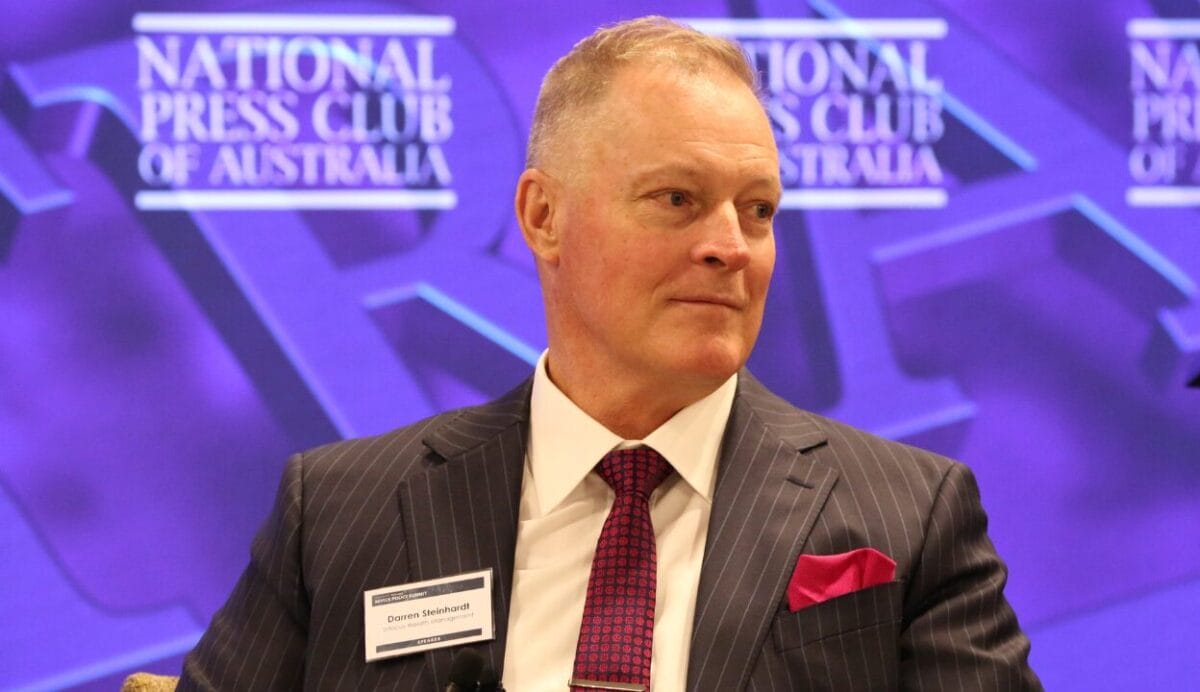

After taking on former Shield and First Guardian clients to help do what it could to mitigate the damage of the $1 billion collapse, Infocus was left in dismay over what was discovered from the advice provided to clients.
As revealed by Professional Planner last year, advice firm Venture Egg begun referring clients to Infocus after platforms turned off fees to advisers that allocated investors to Shield and First Guardian when ASIC commenced enforcement action against the funds.
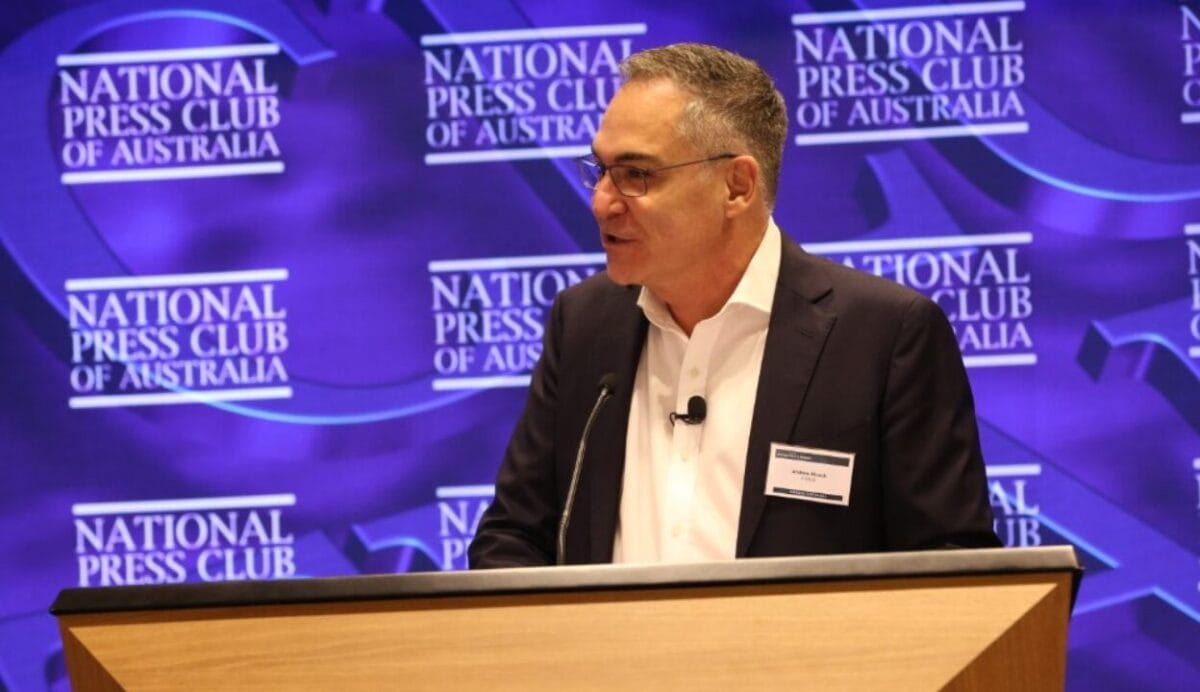
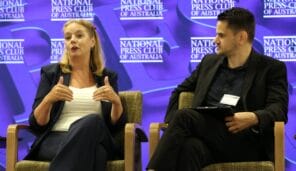
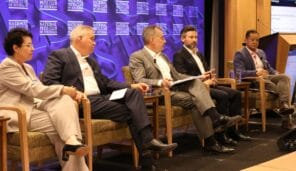
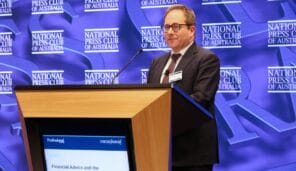
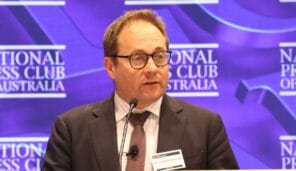
Infocus managing director Darren Steinhardt told the Professional Planner Advice Policy Summit at the National Press Club in Canberra that the firm was willing to take on those clients, having been through a similar process previously.
“We went through a process to replicate what we had done with that previous business – this one was very different,” Steinhardt said.
“We looked under the bonnet and quite frankly thought this is well and truly beyond where we are. The advice was disgraceful, the actions they were seeking out of that advice was more than disgraceful. There were red flags everywhere and people just walked past it every bloody day.”
Steinhardt described the advice as “generic and cookie cutter” with “zero interest” in the best interest duty.
“The thing that most disgusted myself and our head of professional standards was I’d never seen an ‘opt out’ piece of advice where documents went out to thousands of people at a time saying ‘unless we hear from you, within a time frame we’re going to be switching your money over to Shield, over to First Guardian… which I’ve never seen before,” Steinhardt said, referring to the “negative consent” model which saw investment changes made without client approval using the presumption that no response was enough of an endorsement.
Venture Egg was led by InterPrac authorised representative Ferras Merhi, the financial adviser ASIC has treated as central to the investigation into Shield and First Guardian and who is alleged to have signed 6000 Statements of Advice within a three-year period.
ASIC has alleged in court that Merhi used marketing companies to push potential clients to his financial advice businesses while receiving nearly $18 million in upfront advice fees and $19 million from entities associated with the funds to market them.
The regulator also alleged that Merhi falsely represented he had no vested interest in recommending the funds.
ASIC acted against the Shield and First Guardian funds over concerns that investor money was being misused on high-risk investments, pet projects of the directors and personal expenses.
The investments in the funds grew due to a sophisticated network of lead generators that contacted people who used online ‘superannuation health check’ advertisements and used high-pressure sales tactics to refer them to advisers.
ASIC is suing InterPrac alleging the licensee failed in having proper oversight of its advisers.
AFCA has released numerous lead determinations for other licensees implicated in the collapse of the funds.
InterPrac’s lead determination showed the advice ignored warnings in the product disclosure statement and relied on fraudulent performance data, although the licensee is suing the complaints authority.
In addition to being an authorised representative of InterPrac, Merhi also operated the Financial Services Group Australia licensee. AFCA’s lead determination against the firm found lead generators were receiving part of the advice fees.
FSGA’s license was cancelled by ASIC, along with United Global Capital, Next Generation Advice and MWL Financial Services.
AFCA’s board announced this month that the memberships of those four firms would be extended indefinitely to give former clients a longer window to make a complaint.
ASIC has taken action against almost a dozen people involved with MWL and the regulator announced on Tuesday morning it had banned another MWL adviser, Raluca Terheci, for six years.
The regulator said she gave inappropriate advice to clients which was not in their best interests as by recommending that they invest most of their superannuation into the High Growth class or the Growth class of Shield which were high-risk investments with a limited trading history.
ASIC also alleged that her SOAs contained false and misleading statements that implied clients would enjoy better investment returns by investing in Shield by representing outperformance of the fund based on performance data going back to 2017 despite the fund only coming into existence in 2021.
Steinhardt told the summit he’s been in a “bad mood for about three or four years” because of the misconduct that still exists despite the work that has been done to turn financial advice into a legitimate profession.
“Here we are today in 2026 talking about this rubbish, this crap, which should have been sorted out after Storm, it should have been sorted out after Dixon, and here we are going through the same thing again,” Steinhardt said.
“For me, the stuff we’ve been talking about with clients which is really sad, but that’s a symptom and that’s a symptom of the root cause of the problem which nobody’s been talking about and addressing.”




Symptom?
Permeates?
Disgusted?
Here we go again! Hang on for the usual ride of reactionary bull.
Greed is a common human thing. How does a society avoid greed as a driving force? By a regulation, a rule, and adequate oversight-sight.
Before we start shooting people in the advice industry, perhaps it would serve us better to look at failures in policing,
How was this allowed to continue into billions of people’s money?
Where were the platforms? Where was the licensee? Where was the regulator?
Bring back the banks into advice! Give everybody a minimum service requirement!
Actual service, rather than a meaningless ‘advice’ tick a box document. Two contacts a year where the client completes a ‘where am I document – wellbeing, income, assets, influences.
There are enough freaking regulations and impediments to helping a person without more being added.
These appalling outcomes are avoidable without high horses coming out of the stable!
Each person who has had their hard earned money mis-appropriated deserves a better approach.
Reduce regulation. Put perpetrators in jail for 20 years minimum. Remove SoAs and have 2 page documents – why this suits me, what are the costs, fees, charges.
My AFSL licensee took over the clients of a banned adviser in 2013, then when I came to renew PI insurance with the pre-existing provider, they refused cover and ASIC said, you have 3 weeks to renew PI cover or your license will be cancelled. The core problem is Treasury Legislation in 1998 that changed from ‘Dual Structure – Trustee-Manager’ to single Responsible Entity, like putting an alcoholic in charge of the grog shop. Since 1998, there has been no independent Public Trust Company to hold the assets for retail investors, to pay the expenses of fund and the manager’s fee. Secondly, the Trustee verified if the mnager’s investment instructions complied with its mandate issued in public documents. After 1998, there was no ASIC supervision (not funded by the Government) over single Responsible Entities compliance as a replacement function for Public Trust Company control over the manager in the best interests of retail investors. Therefore, these 2 Government wrongs in structural industry weakness have played out for (1) Goldman Sachs Timberwolf $1 billion loss scandal (2) $340 million Dixon Financial and (3) $1 billion Shield First Guardian mismanagement and fraud. ASIC plays the blame game after the event. In the next 10 years, single Responsible Entity is likely to cause a $10 billion failure fraud next.
Hats off to the advisers that have taken the former Interprac clients on. I’m sure they are having some incredibly tough conversations with investors who have lost so much.