
Advisers will soon be slugged with the bill for the FY26 Compensation Scheme of Last Resort special levy as well as the regular CSLR levy for FY27, the Financial Advice Association Australia says.
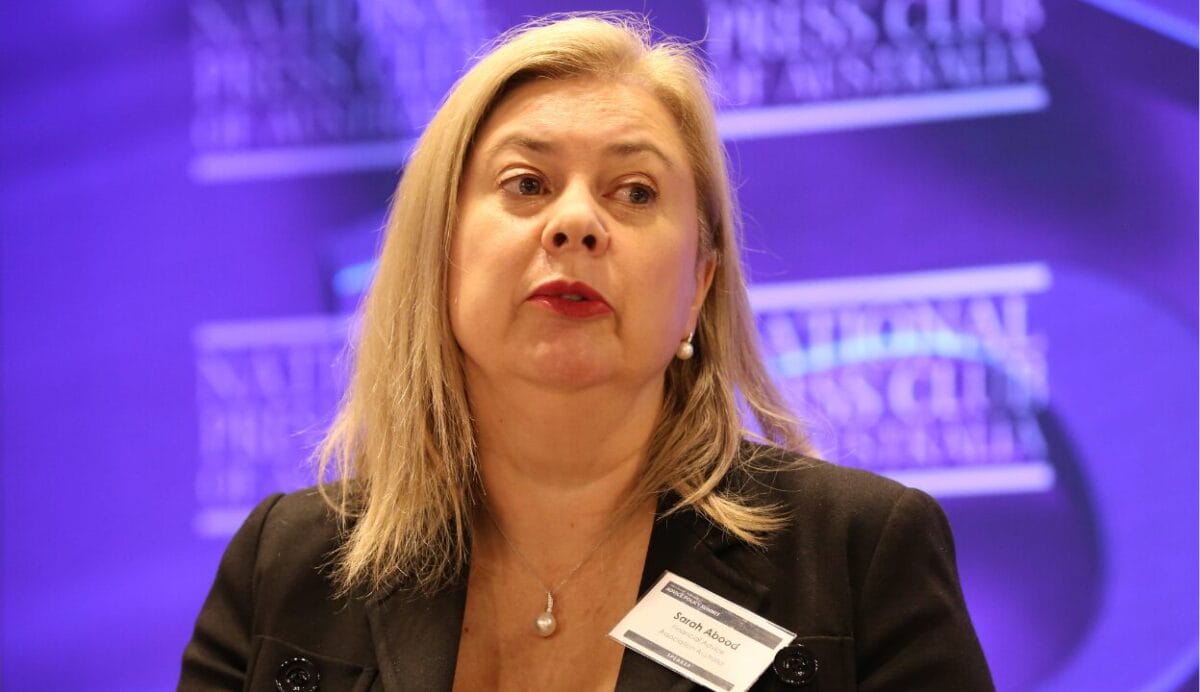
FAAA chief executive Sarah Abood told members in a webinar they expect the special levy for FY26 to get through Parliament by the end of the week.
“What will happen next is that ASIC will send us the bill sometime in April, most likely,” Abood said.
“We understand that will cover the special levy for FY26, the current financial year, [and] that will be about $10.4 million. But we understand we’re also going to be charged the $20 million cap for next financial year, FY27. So that bill will be somewhere around $2000 per adviser.”
Minister for Financial Services Daniel Mulino announced that the CSLR special levy – the first of what will likely be many – will be funded across the financial services system with advisers picking up 22 per cent of the $47.3 million excess for FY26.
The law governing the CSLR says that each subsector can be levied a total of $20 million with anything above that requiring a special levy funded at the minister’s discretion.
Mulino announced that APRA-regulated funds would be amongst those funding the special levy, receiving a strong rebuke from lobby groups.
Abood noted the coming expenses don’t cover the special levy for FY27. The total levy for financial advice, including the initial $20 million under the special levy threshold, is expected to be $126.9 million.
CSLR chief executive David Berry first confirmed the $100-million-plus figure at last year’s Conexus Advice Policy Summit and he told the Professional Planner Shape of Advice podcast last year that Shield and First Guardian claims could be added to this, likely doubling the amount.
Abood said it’s not known how the minister will split the future special levy and they are advocating for a different methodology from what was used in FY26.
“By using the ASIC regulatory effort methodology, we’re copping [a] disproportionate share of the cost of ASIC because of the way regulatory effort is charged to our sector,” Abood said.
“We’ve specifically suggested splitting it evenly across all the subsectors that are regulated by AFCA on the basis that nobody who is paying this levy was responsible for this behaviour and that we are a small business sector.”
The FAAA has reached out to members to hear about the impact of the levy on their businesses.
“What are you doing to cover these bills? What are you thinking about your future actions if these bills keep coming in and stacking up? That will help us with both Treasury and government because there’s nothing like direct information from the people who are affected,” Abood said.
The government is consulting on professional indemnity insurance arrangements and how that can improve the sustainability of the scheme.
The association has been advocating to stop companies from phoenixing to help mitigate the amount of claims that go to the CSLR, including by bringing managed investment schemes into the scope of the CSLR, and pursuing individuals responsible for the misconduct that led to the collapses or failures.
“We think it may be possible [through] the AFCA rules to address phoenixing behaviour potentially by joining the parent company of a group to complaints that are lodged against a subsidiary,” Abood said.
“We’re concerned the CSLR, as it stands, is a disincentive to pursuing people who actually did the wrong thing because consumers get compensated and there’s no risk. No one takes us to court to levy us, we just have to pay the levy if we want to stay in business. We’ve suggested that the CSLR be enabled and funded to go after parties that are associated with the wrongdoing, not just the entities and their parents themselves.”
Dixon Advisory has been the poster child of the phoenixing issue since the CSLR was launched, but the FAAA also raised concerns about the implications that the sale of under-fire InterPrac Financial Planning might have on the CSLR.