


A company that made the Australian Financial Review list of “Fast 100” growth companies is on a list of names published by ASIC in an effort to warn consumers about lead generators.
ASIC announced on Wednesday morning that it has commenced a review of advice licensees using lead generation services, as foreshadowed in its FY26 corporate plan, and has published a list of lead generators and licensees that have utilised those services.
However, ASIC noted that the naming of businesses shouldn’t be taken to mean they have contravened the law, but only that consumers should “exercise additional caution” when engaging these businesses, particularly if they utilise high-pressure sales tactics.
Uleads was listed fourth in the 2025 AFR “Fast 100”, which was published 17 November 2025. A profile of the owners of the company discussed how the company grew 287 per cent after it had pivoted into generating leads for financial services companies. The AFR’s publisher, Nine Entertainment, was approached for comment.
According to the ASIC release, Uleads ran Boost Ur Super, which an investigation by CoreData Research, was presented to the Professional Planner Researcher Forum, found used several tactics that could mislead consumers.
Uleads also ran the EZI SMSF website which promotes using superannuation to purchase investment property.
At time of publication, Professional Planner understands Uleads has not been found to have contravened any law, was not involved in the Shield and First Guardian collapse, and that its inclusion on ASIC’s list carries no finding of wrongdoing.
The CoreData investigation also focused on Stronghold Advice, one of the advice licensees named on ASIC’s watch list.
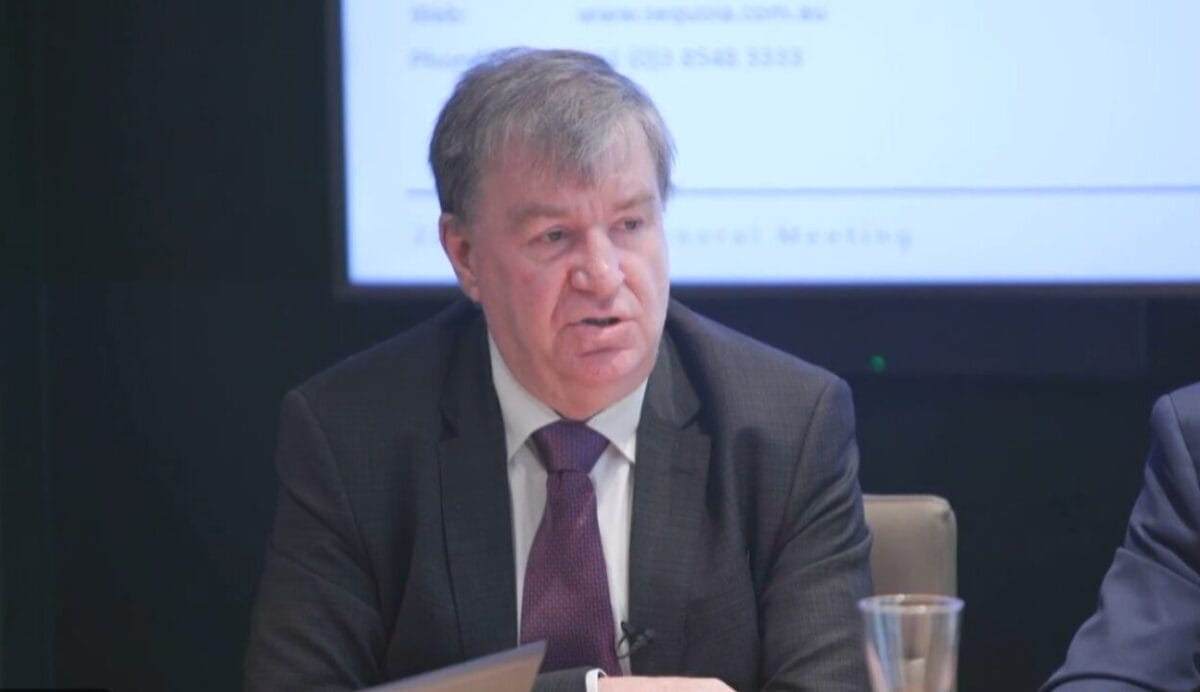
“I can’t find individuals who are responsible or involved and they’re certainly not taking my call when I ring up and say I want to understand your business,” Inwood told the forum about Stronghold Advice last December. “They absolutely do not want to talk to me.”
ASIC’s review is part of its ongoing program of work to address practices that inappropriately or unnecessarily encourage consumers to switch their superannuation via high-pressure sales tactics.
According to ASIC, such tactics included being pressured to make immediate decisions, claims of underperformance by an existing super fund, promoting free super “health checks”, offering to consolidate lost super for free, the involvement of unlicensed parties, poor product disclosure, promises of high returns, and engagement predominantly over the phone with limited contact with a financial adviser.
Calls for bans
Minister for Financial Services Daniel Mulino said last year that the government would consult on regulatory changes that could see lead generators require a license, among other changes in response to the Shield and First Guardian collapse.
Super Consumers Australia called for a ban on lead generation for superannuation and financial advice, as well as closing the loophole that allows cold callers to offer financial advice.
“It is far too important to leave to cookie-cutter advice over the phone,” Super Consumers Australia CEO Xavier O’Halloran said on Wednesday morning.
“The cost of poor consumer protections is currently falling on everyone, through direct losses, compensation scheme funding and increased Age Pension costs. Super is often people’s second biggest source of wealth outside of the family home and the consumer protections need to reflect that.”
The use of lead generators has received more scrutiny in the aftermath of the $1 billion Shield and First Guardian collapse.
Shield and First Guardian grew due to a sophisticated network of lead generators that contacted people who used online “superannuation health check” advertisements and used high pressure sales tactics to refer them to financial advisers.
ASIC acted against the Shield and First Guardian funds over concerns investor money was being misused on high-risk investments, pet projects of the directors and personal expenses.
The regulator has taken financial adviser Ferras Merhi to court over allegations he received money from the funds to help market them and received inflated loans from the fund to help purchase his businesses.
The Australian Financial Complaints Authority found that lead generators received a cut of the advice fees as well as collecting much of the client information for the advice documentation.
In another instance, AFCA found an investment manager for Shield acted a lead generator for the advisers.
ASIC has alleged Merhi was responsible for signing more than 6000 Statements of Advice within a three-year period.
The regulator has also banned several advisers from MWL Financial Services, which is also involved in court proceedings.
Industry response
While ASIC has centred its investigation on the advisers, lead generators and managers of the funds, it is also taking action against SQM Research for inadequate research reports on the funds, as well as Diversa Trustees and Equity Trustees over allegations both failed to conduct proper oversight when hosting the funds.
Macquarie and Netwealth have already settled with ASIC to remediate investors on their respective platforms.
InterPrac Financial Planning is also being sued by the regulator and Macquarie, Netwealth, CFS, AMP, BT and HUB24 have all restricted access to the licensee’s authorised representatives on their platforms.
AMP platforms group executive Edwina Maloney said in a statement the organisation supported targeted action to shut down “unscrupulous, commission-driven lead generation and high-pressure sales practices” that undermine professional financial advice.
“Those behaviours undermine trust in advice and risk poorer outcomes for members,” Maloney said.
“The focus should be on strong enforcement and practical measures that protect consumers and preserve choice, while supporting advisers who provide quality, compliant advice.”
Lead generators often relied on creating marketing collateral that identified poor performance by well-known APRA-regulated funds or other member service shortcomings that received negative media attention.
Industry fund Cbus – which had a tough 2024 due to concerns with its ties to militant union CFMEU and member service failings – called for stronger prevention measures to protect consumers for lead generators.
“We have warned that lead generators using surveys and clickbait headlines are operating in the wild west of super and financial advice and skirting anti-hawking laws,” CBUS Super CEO Kristian Fok said.
“Our members are receiving calls that promise the world but often deliver little more than higher fees and riskier investments that can corrode member savings.”
Financial Advice Association policy general manager Phil Anderson said that while the use of lead generators does not necessarily imply wrong-doing, the association was “strongly opposed” to the use of high-pressure sales tactics.
“We are very concerned by the role that lead generators played in the Shield and First Guardian collapses,” Anderson said.
ASIC Commissioner Alan Kirkland will be speaking at the Professional Planner Advice Policy Summit on 23-24 February. Advisers, practice principals and licensee executives are eligible to attend and can register here.
Editor’s note: This article was updated on 20 February 2026 to state that Uleads has not been found to have contravened the law.








Leave a Comment
You must be logged in to post a comment.