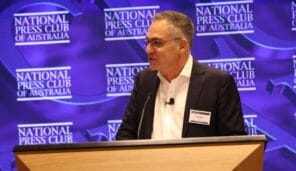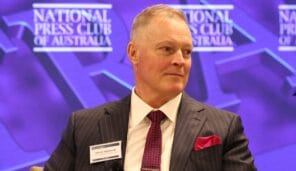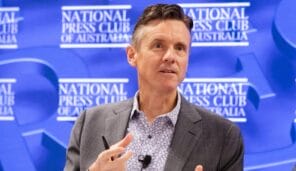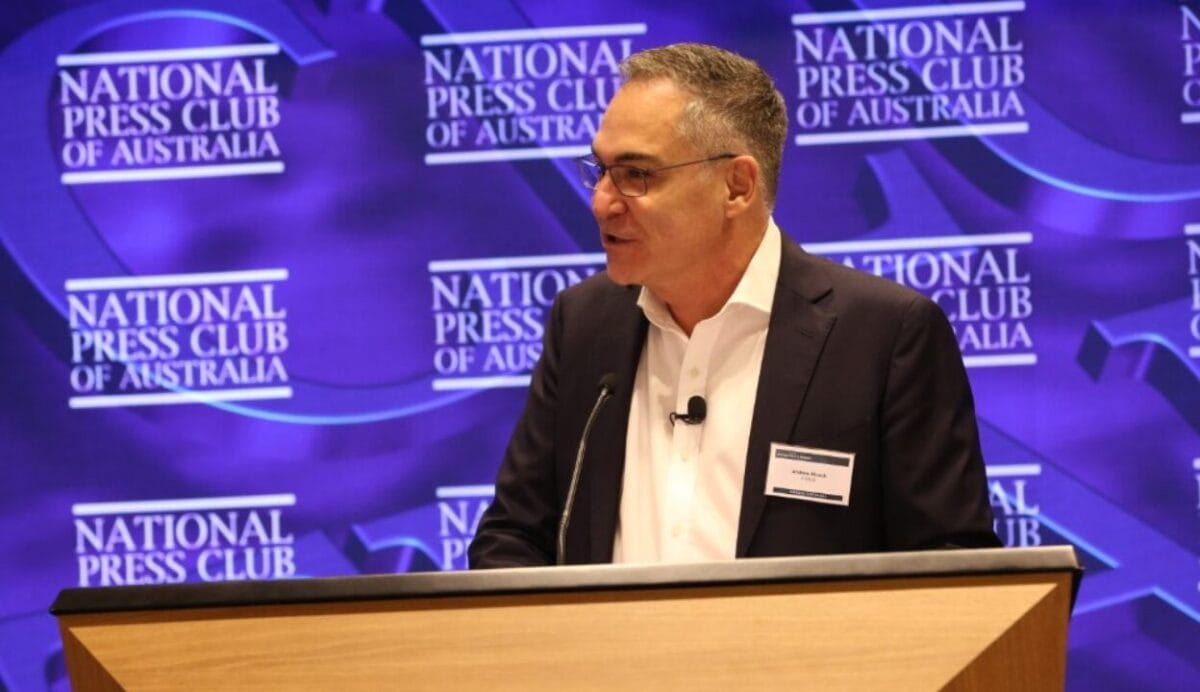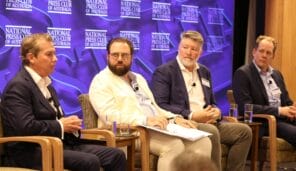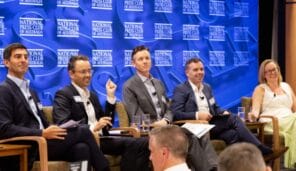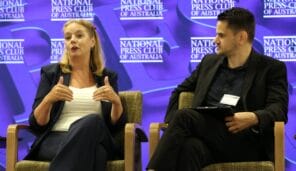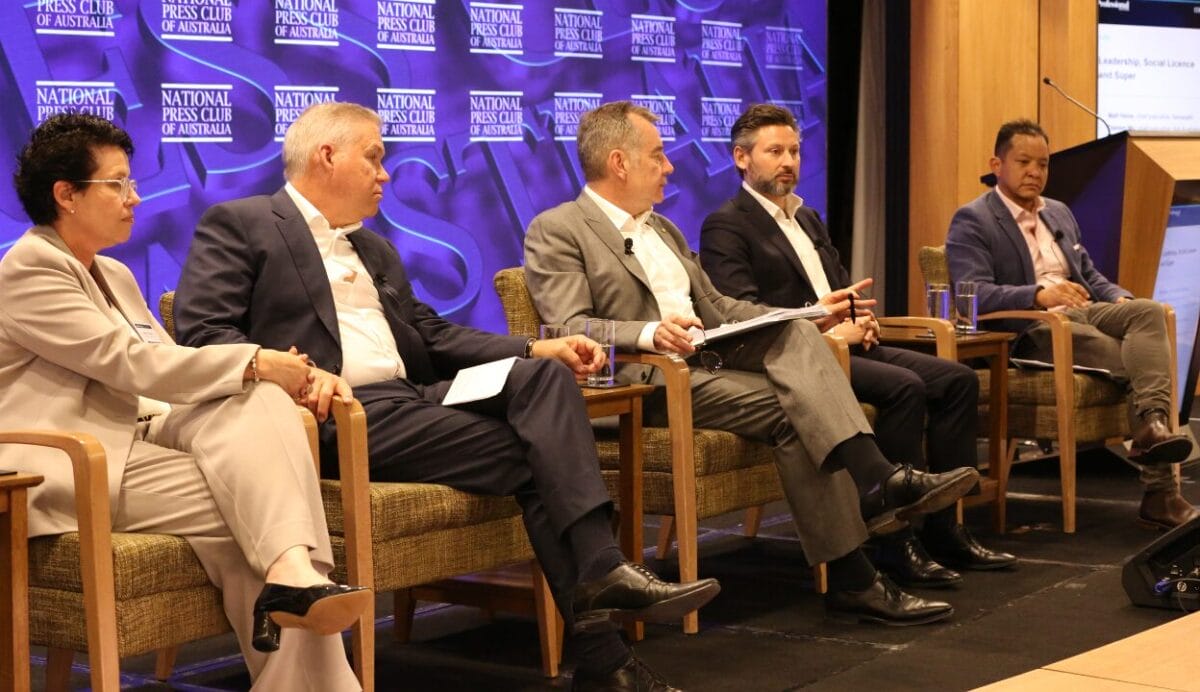

Four major super, insurance and advice CEOs have called for advancing the Delivering Better Financial Outcomes legislative reforms which is critical to empowering the industry to deliver appropriate advice and guidance at scale.
At the Professional Planner Advice Policy Summit the heads of the Australian Retirement Trust, Entireti, AIA and Netwealth said this was necessary to prevent Australians from falling into the clutches of scammers and fraudsters.
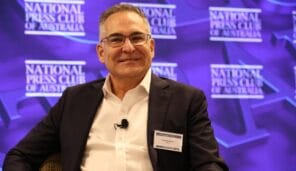
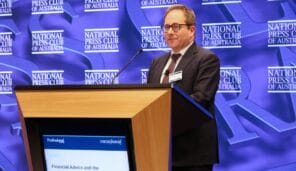
AIA chief executive Damien Mu told the summit that Australian culture and business is “really good at fixing and treating things, but we don’t understand the concept of prevention”.
“[AIA is] a health insurer as well. We’ve got a great sick-care system; we don’t have a great healthcare system,” he said.
“So while we’re fixing this issue, we’ve also got to get on with preventing the things that are happening.”
“But every minute we sit on this stage here right now, every second, more Australians are getting pinged with some sort of scam. And organisations who have the prudential regulatory oversight, who have the capital and the expertise and capability to do something about it, to help, can’t help, and that is an indictment on us, on our government and our industry. And I’m sorry, there is no excuses for not acting.”
Minister for Financial Services Daniel Mulino told the summit that the future of advice reform would be tied into a new suite of consumer protections created in response to the $1 billion collapse of Shield and First Guardian.
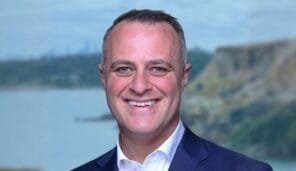
Australian Retirement Trust CEO Kathy Vincent said it’s currently impossible for super funds to address members’ basic needs, an unacceptable situation that creates a vacuum filled by bad actors.
“We can’t answer a member’s question about a complexity that they’re facing going into retirement. We can’t answer a question about how they should think about age pension and transitioning into retirement.”
Around 60 per cent of ART’s 2.4 million (and growing) members will face the problem of not being able to get the guidance and support they need. This not only leaves them vulnerable, but it also fails to meet their expectations.
“What do Australians want from us in terms of their retirement? They want to be able to rely on the trusted relationship they’ve built with us, and it’s devastating,” Vincent said.
“You sit on a phone call and you listen to a member and our team member says, No, sorry. That person is so frustrated with us, and yet they can’t afford financial advice.”
Vincent said the individuals she is talking about are not clients typical financial advisers would take on.
Facing the question of “how the hell do I get help with this question… the nasty actors that we’ve been talking about are thriving on that; it is gut wrenching that we can’t help them”.
“I know some of you don’t like the language of ‘new class of adviser’, but if we get hung up on that, we’re not thinking about Australians, we’re not thinking about helping people. We’re not thinking about the integrity of our system at all, and it’s just devastating.”
Lifting capacity
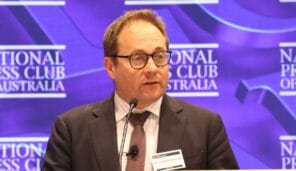
Entireti group CEO Neil Younger said it’s critical that ways are found to “add capacity back into” the advice system.
“That capacity has been constrained now for too long, and we need to look past the short term issues that, yes, have to be dealt with and then resolved, and be of one mind about how we put that capacity in,” Younger said.
“One way is we’ve got to find pathways to bring more financial planners into the system. We have to resolve the issues that block us in the education structures that sit there today.
“We need to open up the access to advice by, in fact, bringing to bear some of the component parts of DBFO – we need to have advice that’s applicable to consumers, rather than a one-size-fits-all comprehensive advice model.”
Younger said they whether an individual is called a ‘new class of adviser’ or something else, “we need to recognize that some people just need guidance”.
“They just need to be told the right information from a trusted party, and in absence of that today, they get the wrong information from a very untrustworthy party.”
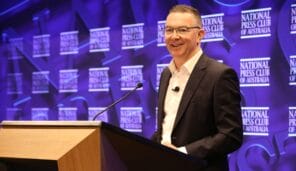
Netwealth CEO Matt Heine said creating and maintaining the trust of consumers is paramount and in some ways that’s easier said than done.
“Institutions, financial advisers, industries, do go through these crises, and it’s difficult to regain trust once you’ve lost trust,” Heine said.
“A number of people spoke to me over the course of last year and said it’s a very quick ride down on the escalator and a very long way back up the stairs, and you need to be very mindful of that.”
Heine said the vast majority of the advice ecosystem is deeply committed to doing the right thing by consumers.
“But how do we as an industry get better at sharing information… and making sure that if there are red flags being raised around individual advisers or platforms or funds or whatever it might be, that there’s actually a mechanism, a way in which to share that?” he said.
In the past month or two a number of platform operators have got together to share “information that was appropriate, and I think there’s been really good outcomes, really good outcomes, as a result of those conversations”.
“They are difficult, and whilst you can’t defame a company, no one wants to ruin someone’s business if the facts aren’t right,” Heine said.
“Finding a safe way in which we can all work together to regain trust and to restore trust in the industry is really important.”
Re-focusing on the mass market
Vincent said conversations about advice tend to gravitate to “the 10 per cent of Australians that can afford advice”.
“We need to kind of get out of our heads and actually think about the system and think about Australians, because I’m now in a privileged role that perhaps is a little bit more representative of all Australians. It’s the indigenous population, it’s regional territories, it’s people that are probably going to rent for life. And we need to open our minds to the whole component of it so that we can all tackle it together.”
Younger said the profession needs to find “a better mechanism to make sure that there is trust in the in the process where they receive that advice from which means we’ve got to stop debating the definition of advice and recognize that guidance is equally a component of importance in what people get”.
“If we don’t move on this, more people will go to the wrong place to get the wrong information,” he said.
“There will be less financial planners in the system that people can rely upon than there are today. If we don’t move on this, we’ll keep spinning our wheels down into a place that’s [even] more constrained than where we are today.”
AIA’s Mu said an injection of urgency is required “in terms of some of the issues around DBFO, so that we can make some progress around prevention of the issues that we’re seeing today”.
“That urgency is about elevating this conversation to be more of a national one where we’ve got a system where $4 trillion, $6 trillion, $9 trillion needs to be protected, and we’ve got a responsibility, as leaders of this industry, to do that,” Mu said.
“We need government’s help on that, but if we sit here at the end of the year and we haven’t made any progress on the prevention and only try to fix and treat the issues, then we haven’t made any progress.”