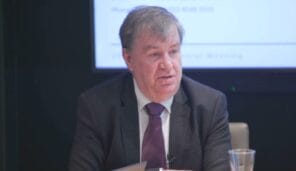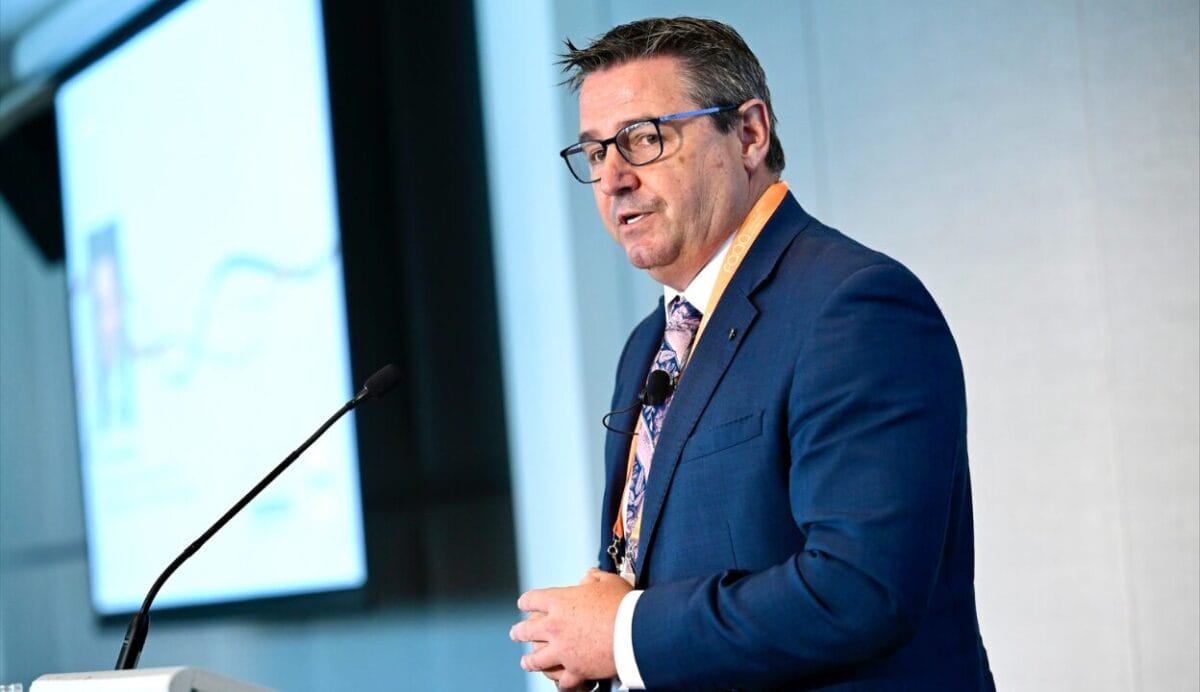

Shadow Minister for Financial Services Pat Conaghan has called out ASIC for failing in its enforcement role on Shield and First Guardian, delivering the criticism just after a senior executive for the regulator had briefed FAAA National Congress delegates on the work it has done.
Conaghan told FAAA delegates in Perth that the regulator is the entity that needs to answer most for the failure of Shield and First Guardian.
“If there was any justice, a big part of the CSLR burden would be on ASIC, not the advisers that did nothing wrong. ASIC was too slow out of the gates,” Conaghan said on Wednesday afternoon.
“They can deny all they like but the facts speak for themselves: they received warnings about First Guardian and [manager of the fund] David Anderson as far back as 2019, years before most investors had put their money in.
“ASIC can’t keep burying its head in the sand. They need to own their own failings. While the focus appears to be on new laws, personally, I’m not convinced we need new laws.”
While criticism and shots at ASIC aren’t unusual, Conaghan’s comments came as ASIC financial advice and investment management senior executive leader Leah Sciacca had a front row seat, having just come off stage after participating in a panel discussing the regulator’s enforcement activities on the matter.
ASIC announced last week it is suing InterPrac Financial Planning, MWL Financial Services and SQM Research for their respective failings in the collapse of Shield and First Guardian.
Conaghan noted a review by his colleague, NSW Senator Andrew Bragg, that recommended ASIC split its enforcement and regulatory capabilities into separate entities.
“I believe that is something the Coalition needs to take seriously because right now ASIC is trying to be a cop and a regulator and, in my view, not doing either well,” Conaghan said.
“The review suggests that we need one body focused on financial crime and law enforcement, and the other on being a genuine regulator that works with the industry to lift standards and improve outcomes.”
At a media briefing at congress on Thursday morning, the shadow minister said he “absolutely would” back an inquiry into the collapse of Shield and First Guardian.
The shadow minister said the CSLR is fundamentally broken and that he is supportive of a broader industry levy to cover remediation, which Minister Mulino is expected to announce.
“If anyone turns arounds and says why should taxpayers pay for 12,000 people, it’s because your government failed to protect,” Conaghan said.
Collegiate relationships
Conaghan however had praise for Minister for Financial Services Daniel Mulino and said they had a “great” working relationship.
“I provide the yin to the yang when it comes to us working together,” Conaghan said.
“We meet regularly, every week when we’re down in Parliament. It’s quite impressive that we can nut it out behind closed doors. I truly believe we are there for the best interests, not for the sector alone, but for Australians.”
Like his predecessor Luke Howarth, Conaghan acknowledged that the previous Coalition government had made mistakes with advice reforms.
“The current government is partly to blame but the problem didn’t start with them it also started with the Coalition,” Conaghan said.
“Consecutive governments have let you down and we should own that and we should be better than that.”
Conaghan took on the portfolio after the election which saw Howarth lose his Queensland seat.
Despite the collegiate relationship with Mulino, the shadow minister criticised the decision to put the Delivering Better Financial Outcomes advice reforms on the backburner amid the fallout of the Shield and First Guardian collapse.
Conaghan said DBFO should have been the priority and legislative reform for Shield and First Guardian should be considered after compensation to victims is complete.
“That said, while I want to see the DBFO progressed, I am concerned about the direction of the DBFO and the idea of introducing a new class of adviser,” Conaghan said.
“If it is done right it could help to deliver more advice to Australians who need it, but it has to be done right. After all the hoops your industry has jumped through – degrees, professional standards, compliance – it would be completely unfair to carve off a big chunk of the market for people who can’t meet those standards. If they do, they need to ensure financial advice firms can hire this new class of adviser within their business.”
But asked during a media briefing on Thursday morning to further expand on his views on the DBFO the minister elected to take the question on notice.
‘Arrogance and ignorance’
Conaghan was also critical of comments by Senator Deborah O’Neill during a Senate inquiry demonising advisers, and he demanded she apologise.
“That just shows a largess of arrogance and ignorance as to what has actually happened in the system, and you went through so much after the [Hayne] royal commission to raise the profile of financial advisers to then be demonised by somebody who should know better,” Conaghan said.
“And her comments were so severe, that even ASIC [chair] Joe Longo and [deputy chair] Sarah Court had to step in to defend your position. The Senator is wrong and owes you all an apology.”