
The Compensation Scheme of Last Resort has released its submission into Treasury’s review of the scheme, making the case to exclude “but for” claims – where claimants haven’t suffered a capital loss – from the scheme.
The controversial “but for” process considers whether a claimant would have been in a better financial position had they received appropriate advice and can only be applied if an adviser has breached the Best Interests Duty, but the introduction of the CSLR has seen the broader industry remediate these cases despite there not necessarily being crystalised.
The consultation was launched by former Minister for Financial Services Stephen Jones after it was announced in the FY25 initial estimate that the scheme would blow out to $70 million for financial advice (later revised to $67 million) with the minister flagging “but for” claims could be excluded from the scheme in the future.
The submission acknowledged that Australian Financial Complaints Authority’s interpretation of “but for” is based on accepted legal precedent, but the scheme said this is not sustainable for a last resort remediation service paid for by other industry participants.
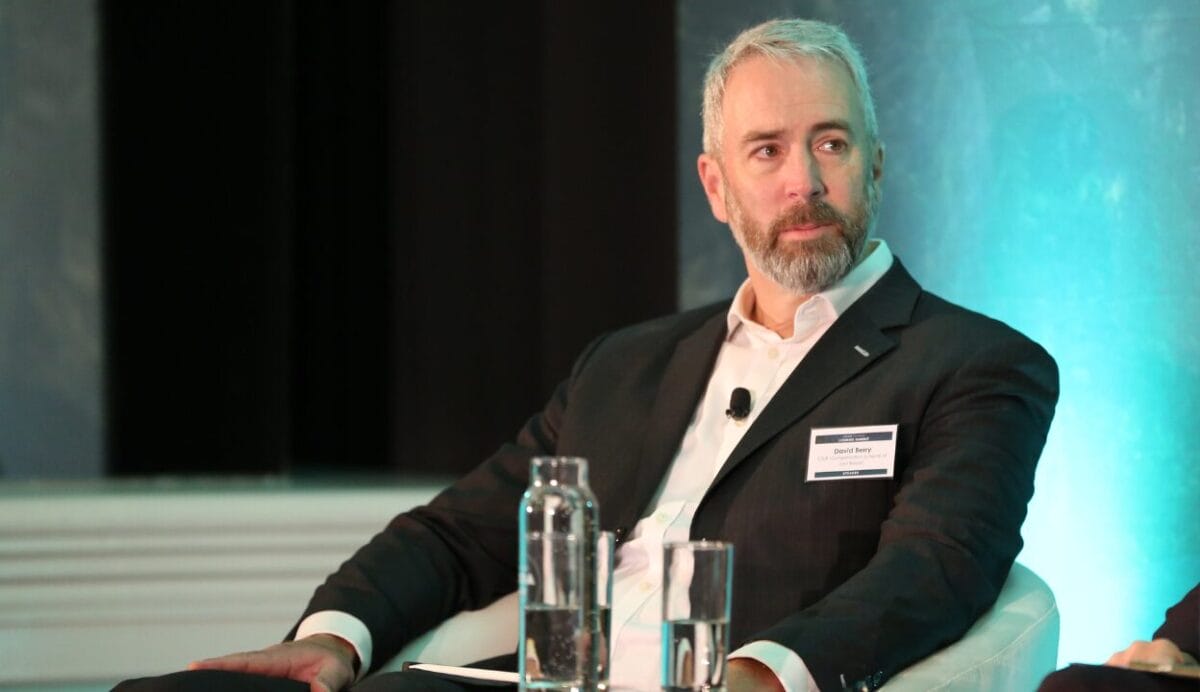
CSLR chief executive David Berry said the organisation estimates this would remove around 80 per cent of the claims going to the scheme.
With cases expected to come from the collapse of the Shield and First Guardian master funds, it’s expected that even if deals are made with trustees – like ASIC’s agreement with Macquarie to remediate clients – there could still be claims that go to the CSLR.
Macquarie’s client remediation doesn’t necessarily mean investors cannot raise complaints to AFCA against the advice firms involved which could to the CSLR. Under the “but for” principle, clients could still theoretically receive a determination that would reimburse them for missed capital gains due to poor advice.
The submission also argued that the special levy notification should be triggered from any time after the initial estimate shows the subsector cap will be exceeded, rather than when the more official revised estimate is filed, to give the minister more time to prepare or consult on a special funding levy.
The scheme also asked for more powers via legislative change to broaden its ability to maximise all potential avenues for recoveries as well as supporting a reduction in compensation payments received from an insurance payout or class action settlement.
It was also suggested that professional indemnity (PI) requirements should be improved that AFSLs are mandated to hold PI insurance with appropriate coverage limits and appropriate provisions for addressing AFCA complaints to reduce the incidence of firm failures and the volume of claims submitted to the CSLR.
The CSLR also wanted to be given powers to compel a financial firm to access its PI insurance to make the payment.
In addition, the submission recommends increasing funds to a larger reserve (currently set at $5 million for each subsector) or the ability to borrow from the government to pay claims due to fluctuations in volumes.
The scheme asked for legislative clarification of the $150,000 cap on claims so that it is restricted to individuals, so each individual affected by an AFCA determination would have the right to make a compensation claim and receive remediation up to the cap.
Compensation caps could also be lowered on a case-by-case basis, the scheme suggested. Under the authority of the minister and complaints related to large financial firm failures could be considered using a streamlined and cost-effective approach.
The submission was released along with the group’s impact report which painted a broader picture of the work the scheme has done.
The CSLR has paid $48.3 million on 434 of 472 claims it has received against 38 financial firms.
The average AFCA determination awarded is $225,000, but the average CSLR compensation is $111,000 with an average of 59 days wait between claim and payment.
Around 89 per cent of claims have been against the financial advice subsector, while 93.6 per cent of claimants in the personal financial advice subsector were advised on SMSFs.
Dixon Advisory has, by a long margin, been the firm that has had the most claims paid (291 versus 61 from MyPlanner Australia). There has been $36.7 million in compensation paid to Dixon Advisory clients, covering the majority of the $54 million that has been paid between FY24-FY26.
The second most was for United Global Capital which has paid $2.3 million from 19 claims. AFCA announced last week it would re-instate the firm’s AFCA membership due to the full impact of the Shield and First Guardian impact not being fully known, along with extending Next Generation Advice’s membership which has so far paid $1.2 million in remediation through the scheme.
The collapse of Shield and First Guardian has become one of the corporate watchdog’s highest priorities with $1.2 billion of retirement savings across 11,000 investors at risk.