


Editor’s note: ASIC has since clarified it was 140 “individuals and entities”, not advisers, being examined.
The regulator has revealed 140 advisers are being examined for their role in the collapse of the Shield and First Guardian master funds, many of which have “lawyered up” in anticipation of a more formal investigation.
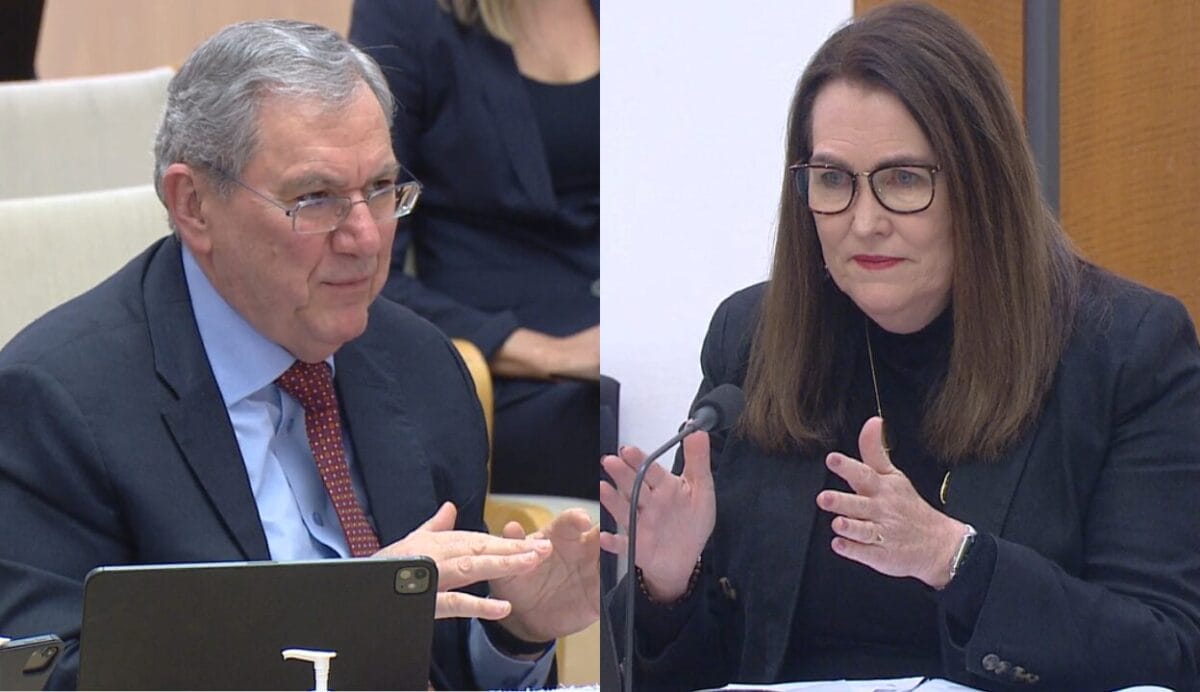
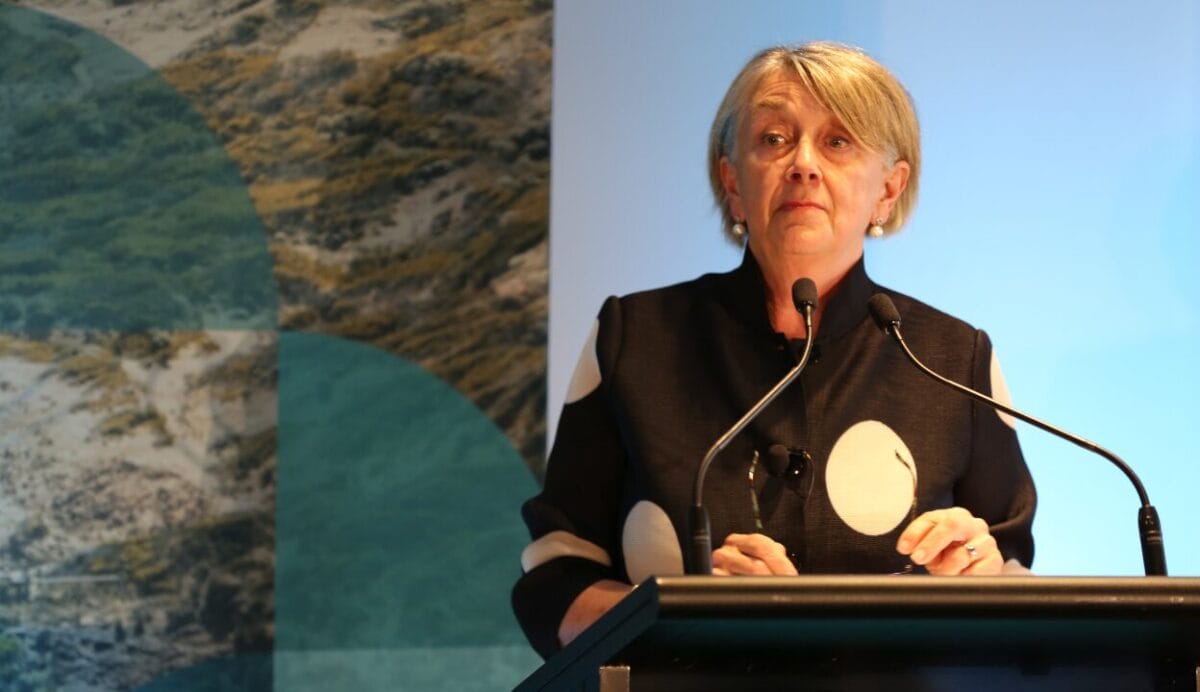
ASIC deputy chair Sarah Court told a Parliamentary Joint Committee hearing on Thursday that that 20 of those advisers have already faced court action, 50 are currently under investigation and 70 more are on a “list”.
The revelation that 140 advisers could be caught up in the scandal was larger than expected with sources close to the investigation previously suggesting only a “handful” of advisers were involved. However, the figure still equates of less than 1 per cent of the broader profession.
The collapse of the funds has become one of the corporate watchdog’s highest priorities with $1.2 billion of retirement savings across 11,000 investors at risk.
The regulator has alleged that advice firms received payments from the Shield and First Guardian funds who in turn used lead generation services to funnel customers into the funds without factoring in their best interests.
While the number of people impacted by Shield and First Guardian has been reported by the regulator as being 11,000, ASIC chair Joe Longo revealed the total number of investors impacted by similar schemes could be 25,000 to 30,000.
Longo said those involved created lucrative, well-resourced business that are able to take on the legal fight and not co-operate.
“There’s not a lot of co-operation here,” Longo said. “The people that put people into these investments… they’re lawyered up, they’re not co-operating with us.”
Court said all the investigations under way have been resource intensive and are required to go through a full set of protocols, which includes advisers appealing decisions the regulator has made.
“These are not things where ASIC can say we think you’re a bad adviser so we’re taking your licence away,” Court said.
“We have to take a full investigation, we have to get investor evidence into what they were told, we have to review the Statements of Advice that were given. We then have a delegate within ASIC that makes a decision to take someone’s ability to earn their income away. It’s not something we can do lightly.”
The regulator is also reviewing other parts of the advice chain including the role played by trustees and ratings houses.
Former Minister for Financial Services, Senator Jane Hume, alluded to a report from Professional Planner that showed First Guardian retained a top “five crown” rating from financial data and ratings house FE fundinfo months after ASIC intervention.
“That was five months after its assets were frozen, does ASIC have jurisdiction over ratings houses?”
Court said only one rating house was under investigation which had listed Shield as “investment grade”.
“We are certainly investigating one of the ratings houses that we are concerned had Shield rated as of investment grade,” Court said.
“One of the challenges in these matters is that everyone is pointing fingers at everyone else.”
SQM Research is publicly known to have given a 3.75 investment grade rating of the Shield fund and has come under scrutiny for its due diligence role.
ASIC pushes back on demonisation of advisers
In one of the first showings of government accountability of the Shield and First Guardian collapses, the government squared in on the role of financial advisers.
While Minister for Financial Services Daniel Mulino had previously hinted at further guardrails in the wake of the collapse of the scheme, there had been little scrutiny from government or parliamentary sources of the fallout.
During the hearing, Labor Senator Deborah O’Neill queried the regulator about the role financial advice played.
“There’s a lot of talk about financial advisers,” O’Neill said. “They put a lot effort into talking to all of us and there’s an assumption they are professionals and will do the right thing.”
ASIC chair Joe Longo interjected: “Most do the right thing”.
But O’Neill said there was enough who had created “lucrative” business models by “ripping off their fellow Australians”.
“They are licensed by [ASIC] and it seems, representing Australian people, that they have too much free reign and they have had the opportunity to fleece at least 11,000 [people],” O’Neill said.
Longo there is blame to go around in the ecosystem. “I wouldn’t want demonise all financial advisers,” he said.
Handling misconduct
ASIC has been under heavy scrutiny for its enforcement role by industry participants with concerns the regulator had commenced enforcement proceedings too late.
Court said the regulator gets 13,000 reports of misconduct a year, including from media referrals, and tips from the industry associations and the public.
“While we get reports of misconduct or investors raising things with us, we have to investigate the issues,” Court said.
“These are complex tracing exercises. We stand up teams of investigators, we have external lawyers on board, we have forensic accountants on board.”
Court said the regulator often gets pushback – including from investors – for launching investigations.
“We’re frequently told the property investment schemes are going to be profitable if ASIC will just get out of the way and let people run the fund in the way they want to,” Court said.
“We’re constantly having to make judgment calls about when we do intervene, when do we seek to have liquidators appointed, when do we seek to have funds wound up.
“Often, it’s in the face of concern or resistance from the very investors we’re trying to protect because they are concerned our intervention in effect is going to have an impact on their investment.”






It is sad to hear so many advisers were taken in by the lure of easy money and prospect of gaining new customers without having to pay for marketing! That should have been a warning sign and a flag to ask more questions about what those people were being told. The fact they were cold called raises a big red flag straight away. But it’s not just the adviser. Everyone from the rating agencies and platforms were keen to accept money and see people go into those investments. It is a systemic failure. Cold calling in any form should be banned.